
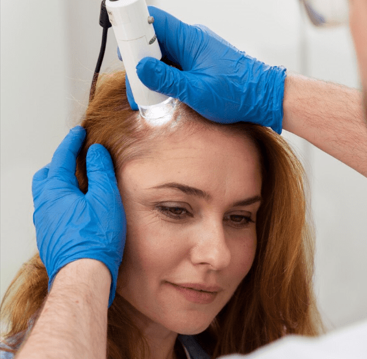
Treatment Overview
The Collagen Boost PRP Hair Therapy in Korea is an advanced, non-surgical hair restoration procedure aimed at strengthening hair follicles and stimulating new hair growth. This therapy leverages the patient’s own blood, which is processed to concentrate platelets rich in growth factors. When injected into the scalp, these platelets activate hair follicles, enhance collagen production, and improve scalp health, resulting in thicker, stronger, and healthier hair.
Korean clinics are known for combining state-of-the-art PRP technology with precise injection techniques, ensuring high efficacy and minimal discomfort. This therapy is particularly favored by individuals seeking natural hair restoration and scalp rejuvenation without undergoing invasive procedures.
Purpose & Benefits
The main purpose of Collagen Boost PRP Hair Therapy is to revitalize hair follicles, strengthen hair shafts, and stimulate hair regrowth. Key benefits include:
- Stimulates collagen production in the scalp, reinforcing hair structure
- Encourages new hair growth in thinning areas
- Improves hair density, thickness, and overall volume
- Enhances scalp health by improving microcirculation
- Reduces hair shedding and strengthens existing hair
- Non-invasive, with minimal downtime and discomfort
- Can be combined with microneedling or topical therapies for enhanced results
This therapy is especially beneficial for individuals experiencing gradual hair thinning, weak hair, or early-stage hair loss, seeking a natural, long-term solution.
Ideal Candidates
Collagen Boost PRP Hair Therapy is suitable for:
- Men and women with thinning hair or early-stage hair loss
- Patients seeking non-surgical hair restoration options
- Individuals with fragile hair strands or weakened follicles
- People looking to improve scalp health and strengthen existing hair
- Visitors to Korea seeking advanced MedSpa hair treatments with international standards
Possible Risks & Complications
PRP therapy is generally safe as it uses the patient’s own blood. Temporary side effects may include:
- Mild redness or tenderness at injection sites
- Slight swelling or bruising
- Temporary tingling or discomfort during injections
- Rare risk of infection if post-treatment care is not followed
Korean clinics minimize risks through sterile procedures, personalized PRP preparation, and precise injection techniques, ensuring patient safety.
Techniques Used in Korea
Korean MedSpas and hair restoration centers are recognized for precision, innovation, and advanced PRP methodologies. Key techniques include:
- Blood Collection and PRP Preparation – Patient blood is drawn and processed in a centrifuge to extract platelet-rich plasma
- Scalp Mapping – Assessment of thinning areas to target PRP injections accurately
- PRP Injection – Platelet-rich plasma is injected into the scalp to stimulate collagen production and hair growth
- Optional Combination Therapies – Microneedling, low-level laser therapy, or topical growth factors can enhance efficacy
- Advanced PRP Systems – Use of automated centrifuges and growth factor boosters to improve treatment outcomes
- Post-Treatment Care – Cooling and soothing the scalp to reduce discomfort and promote recovery
This combination ensures effective hair follicle stimulation, collagen enhancement, and overall scalp rejuvenation.
Treatment Process in Korea
A typical session includes:
- Consultation & Scalp Assessment – Evaluating hair density, follicle health, and scalp condition
- Blood Collection & PRP Preparation – Blood is drawn and processed to concentrate platelets
- Scalp Preparation – Cleansing of the scalp and application of topical anesthetic if needed
- PRP Injection – PRP is injected into thinning or weak areas of the scalp using precise techniques
- Optional Adjunct Treatments – Microneedling or topical growth factors may be applied to enhance results
- Post-Treatment Instructions – Guidance on hair care, avoiding trauma, and follow-up sessions
Recovery & Aftercare
- Minimal downtime; most patients can resume normal activities immediately
- Mild redness or tenderness may persist for a few hours
- Avoid washing hair, using harsh chemicals, or heat treatments for 24–48 hours
- Gentle scalp care recommended; avoid scratching or friction
- Multiple sessions (typically 3–6 sessions spaced 4–6 weeks apart) are recommended for optimal results
Results & Longevity
- Initial improvement in hair density and strength can be noticed within 2–3 months
- Significant increase in hair thickness and scalp health after 3–4 sessions
- Maximum results usually achieved after 4–6 sessions, depending on hair condition
- Effects last 6–12 months, with maintenance treatments recommended for long-term hair health
- Promotes stronger, healthier hair shafts and improved follicle function
Cost Range in Korea
Pricing varies based on clinic, session type, and additional therapies:
- Single PRP Session: 250,000 – 600,000 KRW (≈ USD 190 – 460)
- Advanced Sessions with Growth Factor or Collagen Add-ons: 700,000 – 1,200,000 KRW (≈ USD 540 – 920)
- Full Treatment Packages (3–6 sessions): 1,500,000 – 3,000,000 KRW (≈ USD 1,150 – 2,300)
Korean clinics are popular among international patients for their high-quality PRP systems, expert dermatologists, and personalized treatment plans.
Popular Clinics in Korea
- Banobagi Hair Clinic (Seoul) – Experts in collagen-focused PRP therapy
- ID Hospital Hair Center (Seoul) – Advanced PRP treatments combined with growth factor therapy
- Oracle Hair & Skin MedSpa (Nationwide) – Customized hair restoration programs
- Renew Hair Clinic (Gangnam, Seoul) – Precision PRP injections with scalp mapping
- Regen MedSpa (Seoul) – Popular among international patients for non-surgical hair rejuvenation


