
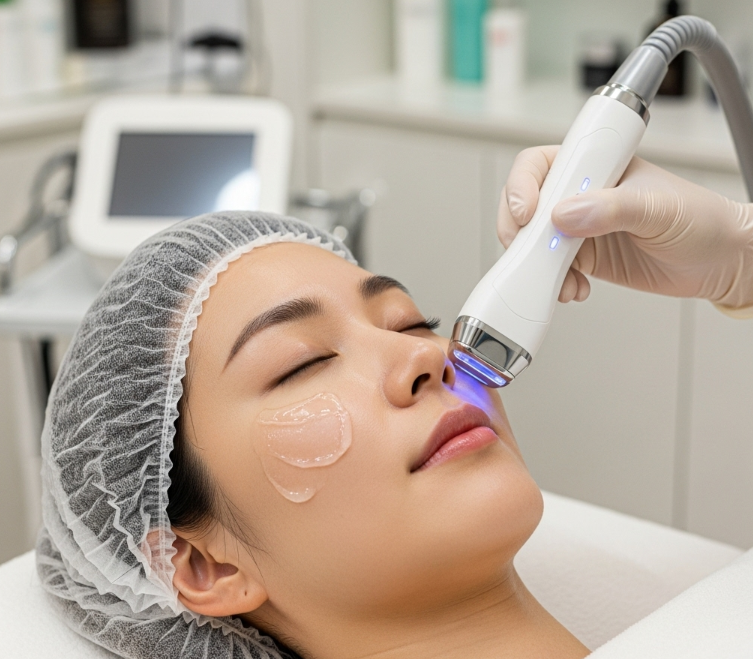
Treatment Overview
The Collagen Boost SMAS Lifting is an advanced surgical anti-aging procedure in Korea that restores youthful contours by tightening the Superficial Musculoaponeurotic System (SMAS) layer—the deep tissue structure responsible for facial sagging. Unlike skin-only facelifts, the SMAS lift works at a structural level, providing long-lasting rejuvenation.
What makes the Collagen Boost SMAS Lift unique in Korea is the integration of collagen-stimulating techniques, such as fat grafting enriched with stem cells or PRP (platelet-rich plasma), and skin rejuvenation therapies. This not only tightens facial muscles and skin but also improves elasticity, texture, and overall dermal health, offering a comprehensive anti-aging solution.
Purpose & Benefits
- Collagen Stimulation: Enhances skin’s natural regeneration for long-term results.
- Deep Structural Lift: Tightens SMAS layer for a natural, youthful look.
- Wrinkle Reduction: Smooths fine lines and deep folds.
- Facial Contouring: Restores jawline, midface, and neck definition.
- Skin Quality Improvement: Boosts elasticity and radiance.
- Long-Lasting Effect: Results typically last 8–12 years.
- Combinable with Other Treatments: Can be paired with fat grafting, threads, or laser therapy for synergy.
Ideal Candidates
The Collagen Boost SMAS Lift is best suited for:
- Adults in their 40s–70s experiencing visible aging and sagging.
- Patients with deep wrinkles, jowls, or neck laxity.
- Individuals looking for a more permanent alternative to non-surgical lifts.
- Men and women who want structural lifting with skin quality enhancement.
- Patients seeking natural and balanced results.
Possible Risks & Complications
While safe in skilled Korean clinics, SMAS surgery has some risks:
- Swelling & Bruising: Lasts 1–3 weeks.
- Temporary Numbness or Tightness: Common during early recovery.
- Scarring: Usually hidden in natural hairlines or ear creases.
- Rare Complications: Infection, hematoma, or nerve injury (rare in experienced hands).
Surgical Techniques Used
Korean plastic surgeons combine traditional SMAS lifting with collagen-boosting methods:
- SMAS Layer Tightening: Repositions deep facial structures for lasting lift.
- Collagen-Enhanced Fat Grafting: Restores volume with stem-cell-enriched fat.
- PRP or Growth Factor Therapy: Stimulates healing and collagen regeneration.
- Customized Incision Mapping: Hidden along hairline and ear creases.
- Combination Care: Often integrated with endoscopic brow lift, eyelid surgery, or Thermage FLX for full-face rejuvenation.
Recovery & Aftercare
- Immediately After: Swelling, tightness, and bruising are expected.
- 1–2 Weeks: Stitches removed, visible swelling decreases.
- 3–4 Weeks: Patients can resume most daily activities.
- 2–3 Months: Natural results fully settle.
- Downtime: Moderate—typically 2 weeks off work recommended.
Aftercare Tips:
- Sleep with head elevated to minimize swelling.
- Avoid strenuous exercise for at least 4 weeks.
- Keep incisions clean and follow wound care instructions.
- Apply hydrating creams and sun protection daily.
Results & Longevity
- Immediate: Lifted jawline, cheeks, and neck.
- Short-Term (2–3 Months): Wrinkles fade, collagen activity enhances firmness.
- Medium-Term (1–2 Years): Skin continues improving due to collagen stimulation.
- Long-Term: Results last 8–12 years, depending on lifestyle and skin health.
Treatment Process in Korea
Consultation & Facial Analysis – Surgeon evaluates sagging, skin elasticity, and bone structure to design a personalized SMAS plan.
Preparation – Pre-surgical tests, anesthesia planning, and incision mapping.
Surgery – SMAS layer lifted and repositioned, combined with fat grafting or collagen stimulation.
Post-Surgery Care – Compression bandages, swelling control, and medications.
Follow-Up – Multiple check-ups in the first month to ensure proper healing.
Why Korea is a Top Destination –
- Pioneers in collagen-boosting facelift techniques.
- Minimally visible scars thanks to Korean incision methods.
- Integration with regenerative therapies like PRP, stem cells, and exosomes.
- High safety standards and board-certified surgeons.
- Seoul’s global reputation as the leader in facial anti-aging surgery.
Cost Range
The cost of a Collagen Boost SMAS Lift in Korea depends on surgeon expertise, clinic reputation, and add-on therapies:
- Mini SMAS Lift (Lower Face): USD 7,000 – 10,000
- Full-Face SMAS Lift: USD 12,000 – 18,000
- Full-Face + Neck Lift with Collagen Therapy: USD 15,000 – 22,000
- Comprehensive Anti-Aging Package (SMAS + Fat Grafting + PRP/Exosomes): USD 18,000 – 28,000
Additional Costs in Korea:
- Consultation: USD 50 – 200
- Anesthesia fee: USD 1,000 – 2,500
- Post-surgery medications & care: USD 300 – 800
💡 Results last nearly a decade or more, making this one of the most durable surgical anti-aging procedures available.
Popular Clinics
- Banobagi Plastic Surgery (Seoul): Experts in collagen-enhanced facelifts.
- JW Plastic Surgery (Seoul): Internationally recognized for advanced SMAS techniques.
- View Plastic Surgery (Seoul): Known for SMAS lift + regenerative fat grafting.
- ID Hospital (Seoul): Specialists in deep lifting and facial contouring.
- Chaum Wellness Center (Seoul): Luxury holistic anti-aging programs with SMAS surgery.


