
Treatment Overview
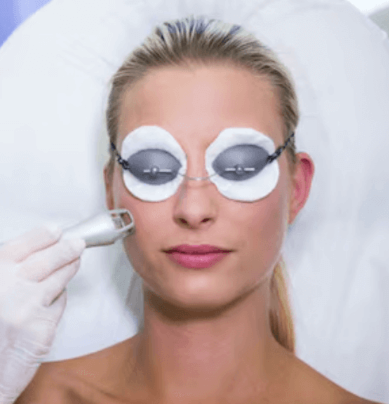
Collagen Remodeling CO₂ Laser is a specialized fractional ablative CO₂ treatment in Korean dermatology clinics designed to stimulate deep collagen regeneration. By creating controlled microthermal zones in the dermis, the CO₂ laser removes damaged skin cells, triggers fibroblast activity, and rebuilds collagen and elastin fibers.
This therapy is especially effective for wrinkles, acne scars, skin laxity, enlarged pores, and overall anti-aging rejuvenation. Compared to non-ablative lasers, it provides dramatic results, though it requires a longer recovery period.
It belongs to the Skin Concerns: Wrinkles, Scars, Pores, Laxity, Aging family (UltraPulse CO₂, Mosaic Fractional, INFINI RF, Deep Pico, Thermage FLX):
- Collagen Remodeling CO₂ Laser: Best for long-term wrinkle repair + scar smoothing.
- UltraPulse CO₂: Best for severe wrinkles + deep scars.
- Mosaic Fractional: Best for mild wrinkles + quicker healing.
- INFINI RF: Best for skin tightening with minimal downtime.
- Deep Pico Rejuvenation: Best for fine wrinkles + pigment-safe collagen boost.
Purpose & Benefits
- Collagen Stimulation: Rebuilds dermal structure for long-term firmness.
- Wrinkle Reduction: Softens fine lines and deep creases.
- Scar Repair: Improves acne scars and uneven texture.
- Pore Tightening: Shrinks enlarged pores by thickening the dermis.
- Skin Tightening: Firms sagging skin through deep collagen remodeling.
- Skin Renewal: Replaces damaged skin with smoother, healthier tissue.
Ideal Candidates
Collagen Remodeling CO₂ Laser in Korea is recommended for:
- Adults with moderate to severe wrinkles.
- Patients with acne scars, enlarged pores, or rough texture.
- Individuals with skin laxity and signs of photoaging.
- Men and women seeking strong, long-term anti-aging results.
Comparison with other treatments:
- Collagen Remodeling CO₂: Best for wrinkles + scars + texture.
- UltraPulse CO₂: Best for advanced, severe aging.
- Mosaic Fractional: Best for mild wrinkles + scars + short downtime.
- INFINI RF: Best for dermal tightening without ablation.
- Thermage FLX: Best for lifting + contouring non-invasively.
Possible Risks & Complications
Collagen Remodeling CO₂ is safe when performed by experienced Korean dermatologists, but side effects may include:
- Redness & Swelling: Common, lasts 5–10 days.
- Crusting & Flaking: Skin renewal phase.
- Temporary Pigment Changes (PIH): Prevented with strict aftercare.
- Rare Risks: Infection or scarring (minimized with sterile technique).
Surgical Techniques Used
Collagen Remodeling CO₂ Laser uses ablative fractional resurfacing technology:
- Laser Device: Advanced fractional CO₂ systems (UltraPulse, eCO₂, etc.).
- Fractional Microbeams: Penetrate dermis while sparing healthy skin bridges.
- Collagen Induction: Activates fibroblasts to produce new collagen fibers.
- Depth Control: Shallow passes for fine lines, deeper passes for scars/wrinkles.
- Protocol: 1–3 sessions spaced 2–3 months apart; yearly maintenance optional.
Recovery & Aftercare
- Immediately: Redness, swelling, pinpoint bleeding.
- 3–7 Days: Crusting, peeling, and skin regeneration.
- 2–4 Weeks: Wrinkle reduction and smoother texture visible.
- 3–6 Months: Collagen remodeling continues for progressive tightening.
Aftercare Tips:
- Avoid makeup for 5–7 days.
- Apply SPF 50+ daily to prevent pigment issues.
- Use hydrating, barrier-repair products (HA, ceramides).
- Avoid acids, scrubs, or retinoids until fully healed.
- Follow doctor’s instructions carefully for best outcomes.
Results & Longevity
- Immediate: Fresher, smoother skin after recovery.
- Short-Term (1–2 Months): Wrinkles soften, scars improve.
- Medium-Term (3–6 Months): Collagen strengthens, skin firms.
- Long-Term: Results last 1–2 years; boosted with maintenance treatments.
Treatment Process in Korea
- Consultation & Skin Analysis – Doctor evaluates wrinkles, scars, and laxity.
- Preparation – Cleansing, numbing cream, sometimes sedation.
- Laser Session – Fractional CO₂ applied with custom depth/energy.
- Optional Add-Ons – PRP, exosome boosters, or PN injections.
- Post-Care – Cooling mask, healing ointments, LED therapy.
- Follow-Up – 1–3 sessions scheduled for long-term collagen remodeling.
Why Korea is a Top Destination
- Korea is world-renowned for anti-aging CO₂ expertise.
- Dermatologists use authentic FDA/KFDA-approved CO₂ devices.
- Clinics combine CO₂ with exosomes, PN boosters, or RF for optimal results.
- More affordable than Western medspas.
- Seoul is famous for “age-reversal” laser programs with CO₂ + regenerative care.
Cost Range (Detailed Breakdown)
Pricing for Collagen Remodeling CO₂ Laser in Korea varies by clinic and depth:
- Single Session (full face): USD 500 – 1,000
- 2–3 Session Package: USD 1,200 – 2,800
- CO₂ + PRP/Exosome/PN Boosters: USD 700 – 1,200 per session
- Premium Anti-Aging Package (CO₂ + Thermage FLX + Exosomes): USD 3,000 – 5,000
Additional Costs in Korea:
- Consultation: USD 20 – 50
- Add-ons (Exosomes, PN boosters, PRP): USD 200 – 600
💡 Patients often call this treatment the “collagen reset laser”, since it rebuilds dermal structure for younger, firmer skin.
Popular Clinics
- Banobagi Dermatology (Seoul): CO₂ collagen remodeling for wrinkles + scars.
- Oracle Dermatology (Seoul): Combines CO₂ with exosome therapy.
- Renewme Skin Clinic (Seoul): Known for CO₂ collagen repair programs.
- View Plastic & Dermatology (Seoul): CO₂ + RF synergy for skin tightening.
- Chaum Anti-Aging Center (Seoul): Premium collagen remodeling CO₂ with regenerative boosters.


