
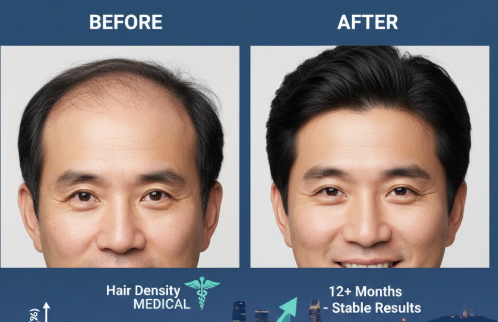
Treatment Overview
Combination Medical Hair Loss Management in Korea is a comprehensive, multi-therapy approach designed to address hair loss from multiple angles. Instead of relying on a single method, this treatment combines DHT blockers, topical minoxidil, PRP injections, low-level laser therapy (LLLT), mesotherapy, scalp scaling, and nutritional support to deliver optimized and long-lasting results.
Korean clinics are recognized globally for their personalized programs, advanced diagnostics, and emphasis on long-term efficacy. Patients not only achieve visible hair regrowth but also experience strengthened follicles, improved scalp health, and reduced shedding over time.
Purpose & Benefits
The primary goal of combination therapy is long-term hair restoration and stabilization. Benefits include:
- Sustained hair density and thickness
- Stronger, healthier follicles resistant to hormonal shrinkage
- Reduced hair shedding over months and years
- Holistic scalp improvement, reducing inflammation and sebum buildup
- Prevention of further baldness in genetically susceptible patients
- Non-surgical option with minimal downtime
- Boosted effectiveness when combined with hair transplant procedures
Long-term success ensures patients maintain a natural and dense hair appearance, reducing the likelihood of relapse.
Ideal Candidates
Combination therapy is ideal for patients who want long-term stability:
- Men and women with androgenetic alopecia
- Patients who experienced limited results from single treatments
- Post-hair-transplant patients seeking to preserve grafts
- Individuals with early to moderate hair loss
- Patients aiming for a non-surgical but effective long-term solution
- Individuals with scalp inflammation or nutritional deficiencies contributing to hair loss
For complete baldness, combination therapy may stabilize surrounding hair but usually requires a hair transplant for full coverage.
Possible Risks & Complications
Combination therapy is generally safe, but minor risks exist, especially if treatments are not tailored properly:
- Mild scalp redness or irritation from topical solutions
- Temporary shedding during initial months
- Soreness or minor bruising from PRP or mesotherapy
- Rare hormonal side effects from oral DHT blockers
- Tingling or sensitivity after laser sessions
- Dryness or flaking after scalp scaling
Korean clinics minimize risks with personalized protocols, regular monitoring, and careful dose adjustment.
Techniques & Technology Used
Korean clinics employ cutting-edge techniques to maximize long-term results:
- Oral DHT Blockers: Finasteride or dutasteride to slow hormonal hair loss
- Topical Minoxidil: Clinic-grade solutions for follicle stimulation
- PRP (Platelet-Rich Plasma): Growth factor injections to reactivate dormant follicles
- Low-Level Laser Therapy (LLLT): Enhances blood flow and cell activity
- Mesotherapy & Growth Factor Serums: Direct scalp application for follicle nourishment
- Scalp Scaling & Anti-inflammatory Treatments: Keeps the scalp healthy and free from buildup
- Digital Scalp Analysis: Tracks follicle health and growth over time
- Nutritional Support: Vitamins, amino acids, and collagen supplements
These techniques are strategically combined to ensure maximum long-term improvement and patient satisfaction.
Treatment Process in Korea
Long-term treatment typically involves:
- Comprehensive Evaluation: Scalp assessment, hormone testing, and hair analysis
- Customized Combination Plan: Determining the right mix of oral, topical, laser, and injectable therapies
- Monthly In-Clinic Sessions: PRP, mesotherapy, laser therapy, or scalp treatments
- Daily Home-Care Routine: Topical application, medications, and optional at-home laser therapy
- Follow-Up Assessments: Every 1–2 months to monitor hair density, follicle health, and treatment effectiveness
- Long-Term Maintenance: Adjusting therapy based on progress to maintain results for years
This structured program ensures that hair regrowth is sustainable and that relapse is minimized.
Recovery & After-Care
Combination therapy is non-surgical, so downtime is minimal. After-care is crucial for long-term success:
- Continue prescribed oral and topical medications consistently
- Maintain scalp hygiene with clinic-recommended shampoos and serums
- Avoid harsh chemicals and excessive heat styling
- Attend monthly or bi-monthly follow-up sessions
- Protect hair from sun and environmental damage
- Maintain a healthy diet and manage stress
- Follow clinic instructions for PRP or mesotherapy post-care
Consistent after-care enhances follicle vitality and ensures results are maintained over years.
Results & Longevity
Korean combination therapy has shown high long-term success rates:
- 2–3 months: Reduced shedding and early thickening
- 4–6 months: Noticeable increase in density and scalp health
- 6–12 months: Maximum visible improvement in thickness and fullness
- 12+ months: Stable long-term results when combined with maintenance therapy
Patient reports and clinic data suggest 75–90% of compliant patients maintain hair density for multiple years, provided they continue prescribed therapy and monitor scalp health.
Why Korea Is a Top Destination
Korea is considered a global leader for long-term hair restoration due to:
- Expertise in multi-therapy hair loss management
- Advanced diagnostic tools for personalized treatment
- Focus on combining non-surgical therapies for maximum efficacy
- High patient satisfaction and safety standards
- Affordable long-term programs compared to Western countries
- Excellent infrastructure for medical tourism, including English-speaking staff and post-treatment support
These factors make Korea highly trusted for achieving sustainable hair regrowth.
Cost Range
Long-term combination therapy costs in Korea vary based on intensity, duration, and clinic reputation:
- Monthly combination program: USD 150–450
- PRP sessions: USD 150–300 per session
- Laser therapy: USD 100–200 per session
- Oral medications & topicals: USD 20–40 per month
- 3-month intensive program: USD 600–1,200
- 12-month comprehensive plan: USD 1,500–2,500
Investing in a structured long-term program is crucial for maintaining sustainable results.
Popular Clinics in Korea
Some of the most reputable clinics specializing in long-term combination therapy include:
- Banobagi Dermatology – Seoul
- Mojelim Hair Clinic – Seoul
- Cheongdam Yonsei Dermatology
- Oracle Dermatology Network
- NIL Hair Medical Center
- Dr. For Hair Scalp Clinics
These clinics provide structured programs with consistent follow-up and a focus on long-term outcomes.


