
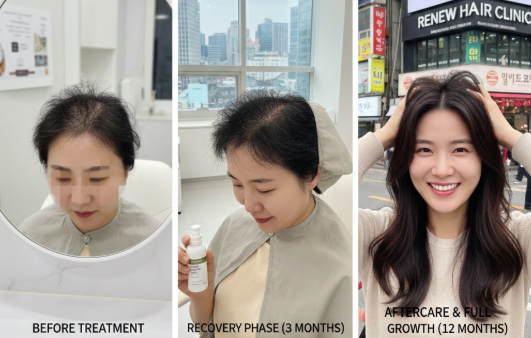
Treatment Overview
Combination Medical Hair Loss Management in Korea is a multi-therapy approach that integrates DHT blockers, topical minoxidil, PRP injections, low-level laser therapy (LLLT), mesotherapy, scalp scaling, and nutritional support. Recovery and aftercare are critical components to ensure optimal results and minimal side effects, as this therapy involves several treatments that interact with the scalp, follicles, and hormones.
Korean clinics emphasize a structured recovery plan along with patient education to maintain results over the long term.
Purpose & Benefits
Proper recovery and aftercare are designed to:
- Maximize hair regrowth and follicle health
- Minimize potential side effects from PRP, mesotherapy, or medications
- Enhance absorption of topical and injectable treatments
- Maintain scalp hygiene and reduce inflammation
- Provide long-term stabilization of hair density
- Ensure overall patient satisfaction and measurable outcomes
Structured aftercare ensures that patients retain results for months and even years beyond the initial treatment period.
Ideal Candidates
Recovery and aftercare are essential for all patients undergoing combination therapy. Ideal candidates include:
- Men and women with androgenetic alopecia
- Patients who received PRP or mesotherapy injections
- Individuals undergoing laser therapy for scalp stimulation
- Patients using oral DHT blockers and topical minoxidil
- Post-hair transplant patients seeking faster graft healing and improved density
- Individuals committed to maintaining lifestyle and hair care routines recommended by Korean clinics
Adherence to aftercare is particularly crucial for patients seeking long-term results.
Possible Risks & Complications
Improper recovery or aftercare can increase the likelihood of:
- Temporary scalp irritation, redness, or itching
- Mild bruising at injection sites
- Early shedding (telogen effluvium)
- Decreased effectiveness of topical treatments
- Follicle stress due to poor scalp hygiene
- Rare allergic reactions to PRP, mesotherapy, or medications
Korean clinics provide detailed instructions to minimize these risks and monitor recovery closely.
Techniques & Technology Used
Korean clinics utilize several advanced techniques to enhance recovery and aftercare:
- PRP Therapy: Careful post-injection monitoring to reduce bruising and swelling
- Laser Therapy: Low-level lasers are used with controlled timing to prevent scalp sensitivity
- Topical Minoxidil & DHT Blockers: Patients are educated on proper application and dosing
- Scalp Scaling & Cleaning: Gentle scalp treatments reduce irritation and enhance absorption
- Digital Monitoring: Scalp imaging tracks recovery progress and identifies early complications
- Nutritional Guidance: Supplements support hair growth and follicle regeneration
- Personalized Maintenance Plans: Adjustments made based on scalp response and hair cycle
These technologies ensure smooth recovery with minimal downtime.
Treatment Process in Korea
Recovery and aftercare in Korean clinics follow a structured plan:
- Immediate Post-Treatment Care
- Avoid washing the scalp for 24–48 hours after PRP or mesotherapy
- Use prescribed anti-inflammatory products if needed
- First Week Guidelines
- Gentle cleansing with clinic-recommended shampoo
- Avoid direct sun exposure, sweating, or physical trauma to the scalp
- Apply topical medications carefully as directed
- 1–3 Weeks
- Mild shedding may occur; patients are reassured that this is normal
- Continue laser therapy sessions and nutritional support
- Attend clinic follow-up for scalp assessment
- 1–3 Months
- Hair regrowth starts to appear
- Adjustments to oral or topical medications based on progress
- Continue PRP or mesotherapy sessions if part of the program
- Long-Term Maintenance
- Ongoing DHT blockers and topical therapy as prescribed
- Monthly or bi-monthly monitoring for hair density and scalp health
- Lifestyle adjustments to maintain optimal hair growth
Adhering to this structured recovery process ensures maximal results and longevity of hair restoration.
Recovery Tips for Patients
Korean clinics recommend the following tips:
- Follow Medication Schedules: Consistent use of DHT blockers and topical minoxidil is essential
- Scalp Hygiene: Use gentle, clinic-recommended shampoos and avoid harsh chemicals
- Avoid Heat and Friction: Refrain from excessive hair styling or tight headwear
- Sun Protection: Prevent UV damage that can weaken follicles
- Nutrition & Hydration: High-protein diet, vitamins, and minerals support follicle recovery
- Stress Management: Adequate sleep and stress reduction improve hair regrowth
- Regular Follow-Up: Attend all clinic appointments to track progress and make adjustments
These tips significantly reduce potential side effects and optimize results.
Results & Longevity
With proper recovery and aftercare, patients experience:
- 2–3 Months: Reduced shedding and early improvement in density
- 4–6 Months: Visible thickening and healthier scalp
- 6–12 Months: Significant regrowth and long-term stabilization
- Maintenance Beyond 12 Months: Sustained hair density with periodic monitoring and adherence to clinic guidance
Korean clinics report 75–90% long-term success for patients who follow recovery and aftercare instructions.
Why Korea Is a Top Destination
Korea is a global leader in combination hair loss management recovery due to:
- Experienced dermatologists specializing in hair therapy and patient aftercare
- Structured recovery protocols backed by clinical research
- Advanced monitoring tools for consistent results
- High safety standards and minimal risk of complications
- Comprehensive guidance for lifestyle and home-care integration
- Affordable multi-session recovery packages for medical tourists
- Multilingual support for international patients
This makes Korea ideal for patients seeking safe and effective recovery for long-term hair restoration.
Cost Range
Recovery and aftercare costs are often included in the combination therapy package but may vary depending on the intensity:
- Monthly combination program with follow-up: USD 150–450
- PRP recovery support sessions: USD 50–150
- Laser therapy maintenance: USD 100–200 per session
- Topical/minoxidil monitoring: USD 20–40 per month
- Full 3-month recovery and maintenance package: USD 600–1,200
- 12-month intensive program including aftercare: USD 1,500–2,500
Investing in structured aftercare ensures maximal results and longevity.
Popular Clinics in Korea
Clinics specializing in recovery and aftercare for combination therapy include:
- Banobagi Dermatology – Seoul
- Mojelim Hair Clinic – Seoul
- Cheongdam Yonsei Dermatology
- Oracle Dermatology Network
- NIL Hair Medical Center
- Dr. For Hair Scalp Clinics
These clinics provide detailed post-treatment instructions, close monitoring, and follow-up support to ensure safe and effective recovery.


