
Treatment Overview
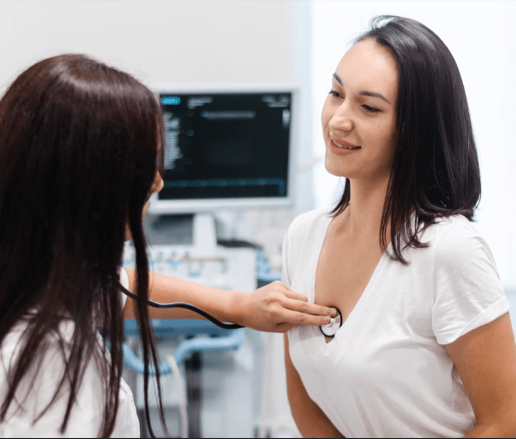
The Comprehensive Breast Health Check-up in Korea is a highly advanced and personalized screening program designed to detect breast diseases at their earliest stages. This all-inclusive examination combines multiple diagnostic tools—such as digital mammography, breast ultrasound, breast MRI, and clinical evaluations—to ensure a complete understanding of each woman’s breast health.
Korea is internationally recognized for its excellence in women’s health diagnostics. The country’s medical centers use cutting-edge imaging technologies and AI-assisted analysis systems that provide ultra-accurate readings. These programs are performed by multidisciplinary teams of gynecologists, radiologists, and breast specialists who focus on early detection, prevention, and personalized treatment planning.
This holistic approach not only screens for breast cancer but also evaluates benign conditions like cysts, fibroadenomas, hormonal changes, and breast tissue density—factors that are critical for women’s long-term health management.
Purpose & Benefits
The goal of a Comprehensive Breast Health Check-up in Korea is to offer women a complete, accurate, and preventive overview of their breast condition. It’s especially valuable in identifying potential problems early, before symptoms appear.
Key benefits include:
- Early Detection of Breast Cancer: Early diagnosis significantly increases treatment success rates and survival outcomes.
- Accurate Breast Density Evaluation: Determines the most suitable screening method for women with dense breast tissue.
- Comprehensive Diagnostic Insight: Combines multiple imaging techniques for an in-depth assessment.
- Personalized Screening Plans: Tailored according to age, risk level, hormonal status, and medical history.
- Peace of Mind: Regular screening provides reassurance and proactive health awareness.
Korean hospitals often integrate genetic counseling and lifestyle assessments into the check-up process, helping women understand risk factors related to family history, diet, and hormones.
Ideal Candidates
The comprehensive breast health check-up is recommended for:
- Women aged 30 and above as part of routine preventive health care.
- Women with a family history of breast or ovarian cancer.
- Patients with dense breast tissue, which can make cancer detection challenging in standard mammography.
- Those experiencing symptoms, such as breast pain, nipple discharge, or noticeable lumps.
- Women undergoing hormonal therapy or with a history of reproductive hormone imbalance.
In Korea, these programs are often customized for different age groups—starting with early screening programs for women in their 20s and 30s and continuing with annual or biannual exams for those aged 40 and above.
Possible Risks & Limitations
Comprehensive breast screenings in Korea are safe, non-invasive, and medically supervised. However, minor limitations may include:
- False Positives or Negatives: Imaging may sometimes detect benign changes mistaken for malignancy or miss very small lesions.
- Discomfort: Slight pressure during mammography may cause temporary discomfort.
- Radiation Exposure: Minimal exposure during mammography, but within internationally safe limits.
Korean hospitals minimize these risks by using low-dose radiation mammography and 3D digital tomosynthesis technologies that improve accuracy while ensuring patient safety.
Techniques Used
The check-up involves multiple diagnostic tools, chosen according to each patient’s profile:
- Digital Mammography: The gold standard for detecting early breast abnormalities.
- 3D Breast Tomosynthesis: Creates layered imaging for clearer visualization of dense breast tissue.
- Breast Ultrasound: Useful for evaluating cystic or solid masses, especially in younger women.
- Breast MRI (Magnetic Resonance Imaging): Provides detailed imaging for high-risk patients or inconclusive results.
- Clinical Breast Examination: Conducted by a gynecologist or breast specialist.
- AI-Assisted Diagnostic Review: Korean facilities often use artificial intelligence algorithms to enhance diagnostic precision and reduce human error.
Many Korean hospitals offer combined packages, where all tests are conducted on the same day for patient convenience and faster results.
Recovery & Aftercare
No recovery period is required after a breast check-up. However, results consultation and follow-up care are essential parts of Korea’s screening model.
Aftercare may include:
- Review and interpretation of imaging results by breast specialists.
- Follow-up imaging if any suspicious areas are detected.
- Nutritional and hormonal counseling for preventive breast health.
- Guidance on breast self-examination and ongoing monitoring.
Women are encouraged to maintain annual or biannual check-ups depending on age and personal risk factors.
Results & Longevity
Results from comprehensive breast check-ups in Korea are typically available within 24 to 72 hours. When abnormalities are detected early, the prognosis is significantly improved, and treatments can begin immediately.
A single check-up offers immediate insight, but long-term benefit comes from consistent monitoring. Most Korean clinics offer membership-based annual programs to ensure continuity of care and early detection of changes over time.
Treatment Process in Korea
- Initial Consultation: A detailed medical and family history review with a gynecologist or breast specialist.
- Diagnostic Imaging: Combination of mammogram, ultrasound, or MRI as indicated.
- AI-Based Image Analysis: Scans are analyzed with advanced software to ensure high accuracy.
- Physical Examination: Doctor conducts a manual check for palpable changes.
- Results Review & Recommendations: A specialist discusses findings, preventive measures, or additional tests.
- Follow-Up or Lifestyle Counseling: Ongoing breast health education, hormonal assessment, or genetic testing if needed.
Korea’s healthcare system ensures seamless coordination between radiology, gynecology, and oncology departments, providing a world-class, patient-centered experience.
Cost Range
The cost of a Comprehensive Breast Health Check-up in Korea depends on the diagnostic tests included:
- Basic package (Mammogram + Ultrasound): ₩200,000 – ₩400,000 KRW ($150 – $300 USD)
- Advanced package (Mammogram + Ultrasound + MRI): ₩600,000 – ₩1,200,000 KRW ($450 – $900 USD)
- Premium package (Full 3D Imaging + AI Diagnostics + Genetic Screening): ₩1,500,000 – ₩2,500,000 KRW ($1,100 – $1,900 USD)
These programs are cost-effective compared to Western countries, considering Korea’s high diagnostic standards and quick service delivery.
Popular Clinics
- Samsung Medical Center (Breast Imaging Center) – Known for 3D mammography and AI-based imaging analysis.
- Asan Medical Center (Comprehensive Cancer Screening Unit) – Offers advanced breast MRI and multi-modality imaging.
- Severance Hospital (Yonsei University Health System) – Renowned for its early breast cancer detection programs.
- CHA Bundang Women’s Hospital – Specializes in personalized breast check-up packages for women of all ages.
- Ewha Womans University Medical Center – Integrates breast health with hormonal and reproductive evaluations.
- Banobagi Breast Clinic Seoul – Offers rapid diagnostic packages combining beauty, wellness, and preventive medicine.


