
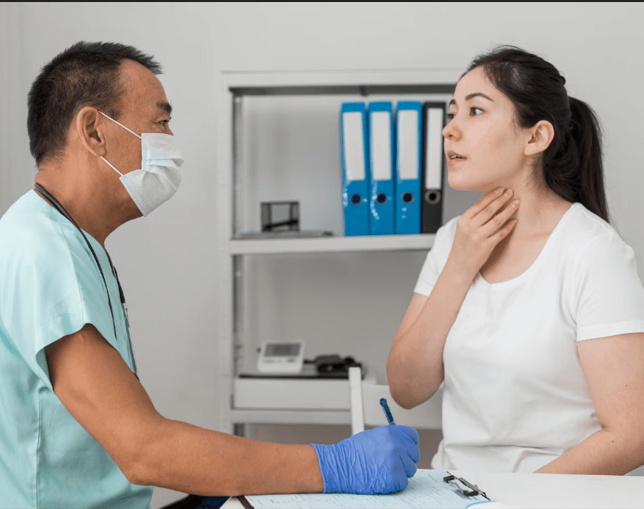
Treatment Overview
Comprehensive Endocrine Evaluation in Korea in Korea for Hormonal Imbalance Treatment is an advanced, multidisciplinary approach to diagnosing, managing, and restoring hormonal health in women. Hormonal imbalance can occur due to conditions such as PCOS, thyroid disorders, menopause, adrenal dysfunction, or pituitary gland irregularities. These imbalances often cause symptoms such as irregular menstrual cycles, fatigue, mood disturbances, infertility, weight gain, and metabolic disruptions.
Korea is recognized as a global leader in endocrine care due to its integration of cutting-edge diagnostics, precision medicine, and holistic treatment strategies. Comprehensive endocrine programs combine in-depth laboratory testing, advanced imaging, hormone replacement therapy, lifestyle modification, and long-term monitoring. This ensures not just symptom relief, but also restoration of optimal hormonal health.
Purpose & Benefits
The primary purpose of Comprehensive Endocrine Care is to identify the root cause of hormonal imbalance and address it with a tailored, multidisciplinary approach. Benefits include:
- Accurate diagnosis of complex hormonal disorders through advanced testing
- Personalized treatment plans designed to balance hormones naturally and effectively
- Improved reproductive health and fertility outcomes
- Relief from symptoms such as fatigue, irregular cycles, mood swings, and decreased libido
- Improved metabolic health and weight regulation
- Better bone density and cardiovascular health
- Sustained hormonal balance through long-term monitoring
Korean endocrine clinics stand out for their ability to merge high-precision medicine with holistic care, ensuring both immediate relief and long-term wellbeing.
Ideal Candidates
Comprehensive Endocrine Care is suitable for women who:
- Experience irregular menstrual cycles or menopause symptoms
- Have confirmed or suspected PCOS
- Suffer from thyroid disorders or adrenal dysfunction
- Struggle with infertility linked to hormonal imbalance
- Face persistent fatigue, weight changes, or mood disturbances
- Require personalized hormone replacement therapy
- Seek a holistic, evidence-based solution to hormonal imbalance
This treatment is particularly valuable for women who want a precise, root-cause approach rather than just symptom management.
Possible Risks & Complications
Comprehensive endocrine care is generally safe, but potential risks depend on the specific therapies used. Risks may include:
- Mild hormonal side effects during adjustment phases (such as mood changes or headaches)
- Temporary fluid retention or bloating
- Minor injection site irritation for injectable therapies
- Allergic reactions to certain medications or hormone formulations
- Rare metabolic or cardiovascular complications if underlying conditions are not fully managed
Korean clinics minimize these risks through detailed diagnostics, precise treatment planning, and close monitoring throughout therapy.
Techniques Used
Korea employs advanced diagnostic and treatment techniques in Comprehensive Endocrine Care, including:
- Advanced Hormone Profiling: Blood, saliva, and urine tests to measure hormones and metabolites.
- High-Resolution Imaging: Ultrasound, MRI, and other imaging modalities for endocrine structure evaluation.
- Precision Hormone Replacement Therapy: Including bioidentical hormones and balanced estrogen or progesterone therapies.
- Metabolic Optimization: Targeted programs for insulin sensitivity, thyroid function, and adrenal support.
- Integrative Lifestyle Medicine: Nutritional counseling, exercise planning, and stress management strategies.
- AI-Assisted Monitoring: Advanced software to track hormonal fluctuations and predict optimal treatment adjustments.
This multidisciplinary approach ensures a comprehensive, precise, and patient-centered treatment plan.
Recovery & Aftercare
Recovery and aftercare are integral to comprehensive endocrine care in Korea. Aftercare includes:
- Regular hormonal monitoring and dose adjustments
- Nutritional and lifestyle counseling tailored to endocrine health
- Stress management programs, including mindfulness and acupuncture in some clinics
- Fertility and reproductive health planning if desired
- Ongoing evaluation of bone density, cardiovascular health, and metabolic function
This holistic aftercare ensures that results are sustainable and that patients maintain hormonal balance over the long term.
Results & Longevity
Most patients begin to notice improvement in symptoms such as fatigue, mood stability, and menstrual regularity within 2–3 months of starting treatment. Long-term benefits include improved fertility, better metabolic health, enhanced energy, and sustained hormonal balance. With continued monitoring and treatment adjustment, benefits can last for many years, making comprehensive endocrine care a lifelong solution for many women.
Treatment Process in Korea
The process of Comprehensive Endocrine Care in Korea involves:
- Initial Consultation: Comprehensive medical history review, symptom analysis, and lifestyle assessment.
- Advanced Diagnostics: Hormonal profiling, metabolic testing, and imaging studies.
- Customized Treatment Plan: Tailored to the patient’s endocrine profile and health goals.
- Therapeutic Intervention: Hormone replacement therapy, nutritional programs, lifestyle adjustments, and integrative therapies.
- Continuous Monitoring: Follow-up testing and evaluations to ensure optimal results.
- Long-Term Care: Ongoing support for sustained hormonal health and prevention of recurrence.
This structured approach ensures both immediate symptom relief and long-term hormonal health.
Cost Range
Comprehensive Endocrine Care in Korea typically ranges from ₩5,000,000 to ₩15,000,000 KRW (approximately $4,000–$12,000 USD) for a full year of treatment, depending on the complexity of diagnosis and the therapies involved. Packages that include full hormonal profiling, customized hormone therapy, lifestyle counseling, and follow-up care may cost between ₩12,000,000 and ₩20,000,000 KRW ($9,600–$16,000 USD).
Popular Clinics
- CHA Women’s Clinic Seoul – Specializes in precision endocrine care for women.
- Samsung Medical Center (Endocrinology Division) – Offers comprehensive hormone diagnostics and management programs.
- Seoul Women’s Hormone & Fertility Clinic – Known for advanced endocrine treatments tailored to individual needs.
- Banobagi Women’s Clinic – Integrates hormone therapy with lifestyle medicine for long-term balance.
- Ewha Womans University Medical Center – Offers research-based comprehensive endocrine care programs.
- Mirae Women’s Hospital Seoul – Provides individualized hormone therapy with a focus on reproductive and metabolic health.


