
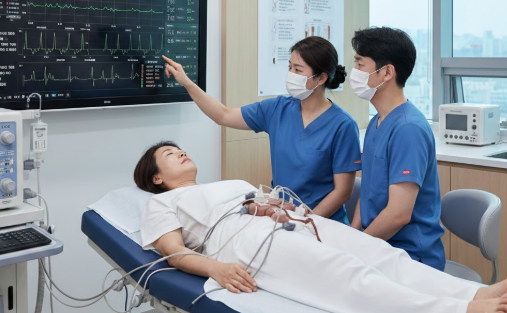
Treatment Overview
A comprehensive urodynamic study is an advanced diagnostic evaluation of bladder, urethra, and pelvic floor function. It combines multiple tests—including cystometry, pressure-flow studies, uroflowmetry, and electromyography—to provide a complete understanding of urinary disorders such as incontinence, overactive bladder, urinary retention, and recurrent urinary tract infections. In Korea, leading urology centers use high-definition equipment and expert specialists to offer precise diagnostics and personalized treatment planning for both domestic and international patients.
Purpose & Benefits
The main purposes of a comprehensive urodynamic study are:
- Assess bladder capacity, pressure, and compliance.
- Evaluate urethral sphincter function and coordination with bladder contractions.
- Detect involuntary contractions or bladder outlet obstruction.
- Guide tailored treatment strategies for urinary disorders.
Key benefits include:
- Accurate, objective diagnosis for effective management of complex urinary conditions.
- Identification of underlying issues that may not be apparent through symptoms alone.
- Minimally invasive testing with a short recovery period.
- Personalized treatment plans, potentially reducing the need for multiple interventions.
Ideal Candidates
Comprehensive urodynamic studies are recommended for patients who:
- Experience urinary incontinence (stress, urge, or mixed).
- Have overactive bladder symptoms such as urgency and frequency.
- Suffer from difficulty emptying the bladder or chronic urinary retention.
- Require pre- or post-operative assessment for urological surgery.
- Have recurrent urinary tract infections or complex urinary symptoms.
Korean urologists carefully evaluate each patient’s medical history and symptoms to determine the need for comprehensive testing.
Possible Risks & Complications
While comprehensive urodynamic studies are generally safe, potential risks include:
- Mild discomfort or burning during catheter insertion.
- Temporary urinary tract infection, usually treated with antibiotics.
- Minor bleeding during or after catheter placement.
- Rare complications such as allergic reactions to contrast materials if used.
Strict sterilization, patient monitoring, and procedural expertise in Korean hospitals minimize these risks.
Techniques & Technology Used
Korean urology centers utilize advanced technology to perform comprehensive urodynamic studies:
- Cystometry: Measures bladder pressure and compliance during filling.
- Pressure-Flow Studies: Evaluates bladder contractility and urethral resistance during voiding.
- Uroflowmetry: Assesses urine flow rate and voiding patterns.
- Electromyography (EMG): Monitors pelvic floor and sphincter muscle activity.
- Video Urodynamics: Combines imaging with pressure measurements for precise evaluation.
- High-Resolution Catheters and Sensors: Ensure accurate measurements with minimal discomfort.
These tools enable urologists to fully assess bladder and urethral function and plan effective treatments.
Treatment Process in Korea
The process of a comprehensive urodynamic study typically includes:
- Pre-test Assessment: Review of medical history, urine analysis, and physical examination.
- Preparation: Patients may be instructed on fluid intake and to empty their bladder before testing.
- Testing Procedure: Catheters and sensors are inserted into the bladder and urethra to measure pressures, flow, and muscle activity. The bladder is gradually filled with sterile solution while recordings are made.
- Post-test Monitoring: Catheters are removed, and patients are briefly observed to ensure no complications arise.
International patients are provided with translation services, appointment coordination, and follow-up support for a seamless experience.
Recovery & After-Care
Recovery from a comprehensive urodynamic study is usually quick:
- Drink plenty of fluids to flush the urinary tract.
- Monitor for temporary discomfort, minor bleeding, or burning during urination.
- Report persistent symptoms, fever, or unusual signs to the urologist.
- Resume normal activities unless otherwise advised.
- Attend follow-up consultations to review results and discuss treatment strategies.
Results & Longevity
Comprehensive urodynamic studies provide objective and detailed information about bladder and urethral function, enabling:
- Accurate diagnosis of complex urinary disorders.
- Development of personalized treatment plans for long-term symptom relief.
- Monitoring and adjustment of therapies to ensure ongoing effectiveness.
Why Korea Is a Top Destination
Korea is a preferred destination for comprehensive urodynamic studies due to:
- Advanced Technology: High-resolution video urodynamics, EMG monitoring, and multi-modal diagnostic tools.
- Expert Specialists: Board-certified urologists experienced in managing complex urinary conditions.
- Medical Tourism Support: Translation services, patient coordinators, and organized scheduling for international patients.
- High Safety Standards: Sterilization, monitoring, and emergency protocols ensure patient safety.
- Efficient Healthcare System: Short waiting times and streamlined processes improve patient experience.
Cost Range
Costs for a comprehensive urodynamic study in Korea vary depending on the complexity of the tests:
- Standard comprehensive urodynamic study: $600 – $1,200 USD
- Advanced video urodynamics with pressure-flow studies: $1,000 – $1,500 USD
International patient packages may include hospital coordination, translation services, accommodation, and follow-up consultations.
Popular Clinics in Korea
Top hospitals offering comprehensive urodynamic studies include:
- Severance Hospital, Seoul
- Asan Medical Center, Seoul
- Samsung Medical Center, Seoul
- Bundang CHA Hospital, Seongnam
- Hanyang University Hospital, Seoul
These hospitals provide advanced diagnostics, expert care, and comprehensive support for international patients.


