
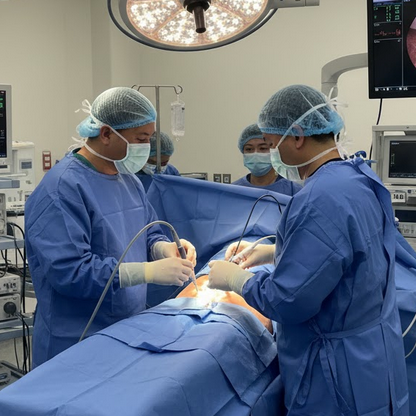
Treatment Overview
Comprehensive Uterine Fibroid Excision in Korea represents one of the most advanced approaches in gynecologic surgery, combining precision, safety, and minimal invasiveness to treat uterine fibroids. Korea is internationally recognized for its state-of-the-art surgical techniques, world-class hospitals, and specialized expertise in women’s health, making it a top destination for fibroid excision.
Uterine fibroids — benign tumors in the muscular wall of the uterus — affect a significant number of women during their reproductive years. These growths can cause heavy menstrual bleeding, pelvic discomfort, infertility, and pressure-related urinary or bowel symptoms. Comprehensive uterine fibroid excision aims to remove all fibroids while preserving uterine health and fertility potential, offering relief from symptoms and improved quality of life.
Korea’s leading hospitals, such as Samsung Medical Center, Asan Medical Center, Severance Hospital, CHA Bundang Women’s Hospital, and Ewha Womans University Mokdong Hospital, use advanced surgical techniques such as laparoscopic, robotic-assisted, ultrasonic-guided, and single-port excision to deliver exceptional results.
Purpose & Benefits
The primary goal of comprehensive uterine fibroid excision is to thoroughly remove fibroids while protecting healthy uterine tissue, preserving fertility, and reducing recurrence risk. Korea offers this procedure with the latest innovations in surgical technology, imaging, and postoperative care.
Key benefits include:
- Thorough Fibroid Removal: Eliminates all detected fibroids to relieve symptoms and improve reproductive health.
- Minimally Invasive Techniques: Small incisions lead to less pain, reduced scarring, and faster recovery.
- Fertility Preservation: Maintains uterine integrity for women planning pregnancies.
- Reduced Blood Loss: Advanced surgical devices and techniques limit intraoperative bleeding.
- Lower Recurrence Risk: Comprehensive removal of fibroids reduces chances of regrowth.
- Short Recovery Time: Many patients resume daily activities within 1–2 weeks.
- Short Hospital Stay: Usually 1–3 days, depending on procedure complexity.
By combining surgical expertise with advanced technology, Korea ensures that comprehensive uterine fibroid excision delivers safe, effective, and lasting results.
Ideal Candidates
Comprehensive uterine fibroid excision is suitable for women with symptomatic fibroids, large or multiple fibroids, or fibroids affecting fertility. Ideal candidates include:
- Women with heavy menstrual bleeding, pelvic pain, or pressure symptoms due to fibroids.
- Patients experiencing infertility linked to fibroid growth.
- Women with multiple or large fibroids requiring precise and thorough removal.
- Patients wishing to preserve their uterus and avoid hysterectomy.
- Women who seek minimally invasive, advanced surgical solutions.
Korean gynecologic surgeons conduct thorough preoperative evaluations, including ultrasound, MRI, and lab testing, to customize the surgical approach for each patient.
Possible Risks & Complications
While comprehensive uterine fibroid excision is generally safe, patients should be aware of potential risks:
- Bleeding: Rare but possible, especially with large or vascular fibroids.
- Infection: Minimal risk, reduced through strict sterile techniques.
- Adhesion Formation: Reduced with minimally invasive approaches but still possible.
- Injury to Surrounding Organs: Rare, minimized through advanced imaging and surgical precision.
- Fibroid Recurrence: Possible over time, though reduced with complete excision.
Korean hospitals take every measure to reduce these risks through meticulous surgical technique, advanced equipment, and structured postoperative care.
Techniques Used
Comprehensive uterine fibroid excision in Korea utilizes advanced surgical tools and methods for maximum precision and safety:
- Laparoscopic Myomectomy: Minimally invasive surgery with small incisions for faster recovery.
- Robotic-Assisted Myomectomy: Uses robotic precision and high-definition imaging for complex fibroid removal.
- Ultrasonic-Guided Myomectomy: Real-time imaging to map fibroids accurately during surgery.
- Single-Port Myomectomy: Cosmetic benefits with one incision, usually at the navel.
- Energy-Based Surgical Devices: Minimize bleeding and preserve healthy tissue.
- Morcellation: Allows safe removal of larger fibroids through smaller incisions.
- Precision Suturing: Maintains uterine integrity and supports healing.
These techniques ensure a comprehensive, safe, and effective fibroid removal procedure, tailored to the patient’s needs.
Recovery & Aftercare
Recovery from comprehensive uterine fibroid excision in Korea is generally quick and comfortable compared to traditional open surgery. Most patients can resume normal activities within 1–2 weeks.
Aftercare includes:
- Postoperative follow-up to assess healing and uterine health.
- Pain management tailored to the individual patient.
- Guidance on resuming daily activities.
- Fertility counseling for patients who wish to conceive.
- Periodic imaging to monitor for recurrence.
Korean hospitals emphasize patient education and structured aftercare to ensure optimal recovery and long-term success.
Results & Longevity
Comprehensive uterine fibroid excision offers durable relief from fibroid-related symptoms while preserving reproductive potential. Thorough removal of fibroids significantly reduces recurrence risk and improves long-term uterine health.
Long-term outcomes in Korea show high patient satisfaction, low recurrence rates, and improved quality of life. Structured follow-up and monitoring ensure lasting benefits and early detection if recurrence occurs.
Treatment Process in Korea
- Initial Consultation: Detailed evaluation of symptoms, imaging, and fertility goals.
- Preoperative Planning: Customized surgical strategy based on fibroid mapping and patient needs.
- Surgical Procedure: Comprehensive excision of fibroids using advanced techniques.
- Recovery Protocol: Patient-focused aftercare for rapid healing and comfort.
- Follow-Up: Imaging and consultation to confirm recovery and monitor uterine health.
Korean hospitals ensure this process is efficient, precise, and patient-centered.
Cost Range
Costs for comprehensive uterine fibroid excision in Korea vary by procedure complexity and hospital:
- Laparoscopic Myomectomy: ₩4,000,000 – ₩7,000,000 KRW ($3,000 – $5,200 USD)
- Robotic-Assisted Myomectomy: ₩9,000,000 – ₩14,000,000 KRW ($6,800 – $10,500 USD)
- Ultrasonic-Guided Myomectomy: ₩7,000,000 – ₩12,000,000 KRW ($5,200 – $9,000 USD)
- Comprehensive Fibroid Removal Packages: ₩8,000,000 – ₩15,000,000 KRW ($6,000 – $11,300 USD)
These prices reflect Korea’s surgical innovation, advanced facilities, and patient-focused care.
Popular Clinics for Comprehensive Uterine Fibroid Excision in Korea
- Samsung Medical Center – Renowned for advanced minimally invasive fibroid surgery.
- Asan Medical Center – Leaders in robotic-assisted and ultrasonic-guided myomectomy.
- Severance Hospital – Experts in fertility-preserving fibroid removal.
- CHA Bundang Women’s Hospital – Pioneers in innovative gynecologic surgery.
- Ewha Womans University Mokdong Hospital – Offers comprehensive fibroid removal with advanced aftercare.


