
Treatment Overview
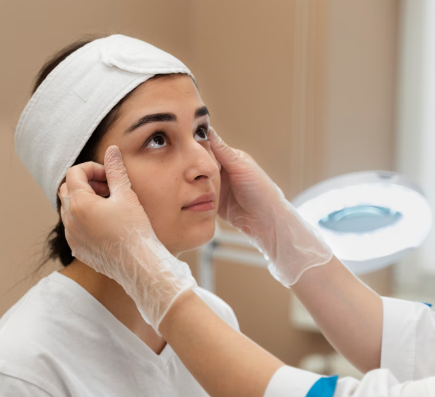
Corneal Regenerative Therapy in Korea is a cutting-edge, biologically based treatment designed to restore the health and integrity of the corneal surface in patients suffering from Dry Eye Syndrome, ocular surface damage, or chronic epithelial inflammation. This advanced therapy utilizes growth factor-enriched biologic solutions, stem cell-derived serums, or platelet-rich plasma (PRP) to stimulate natural cellular repair, promote epithelial regeneration, and enhance tear film stability.
Korean ophthalmologists integrate AI-guided corneal imaging, precision cellular diagnostics, and personalized biologic formulations to ensure targeted healing. The therapy helps repair microdamage, reduce inflammation, and restore optical clarity — providing deep, long-term relief for patients with severe or treatment-resistant dry eye.
Corneal Regenerative Therapy in Korea represents the future of ocular surface medicine, merging biotechnology, ophthalmic precision, and regenerative science to restore vision comfort and corneal health naturally.
Purpose & Benefits
Purpose
- Regenerate damaged corneal epithelial cells and restore tissue integrity.
- Rebuild and stabilize the tear film for lasting hydration.
- Reduce inflammation and oxidative stress on the ocular surface.
- Repair microscopic corneal injuries caused by chronic dryness.
- Prevent progression to more severe ocular surface disorders.
Benefits
- Natural Regeneration: Stimulates the eye’s own healing process using biologic components.
- Deep Healing Effect: Targets the root cause of corneal damage, not just symptoms.
- Reduced Inflammation: Calms the ocular surface and prevents scarring.
- Enhanced Vision Clarity: Restores corneal transparency and comfort.
- Long-Term Relief: Strengthens corneal health for months or years.
- Safe & Personalized: Tailored to each patient’s severity and medical profile.
Ideal Candidates
Corneal Regenerative Therapy in Korea is ideal for:
- Patients with severe or chronic Dry Eye Syndrome unresponsive to artificial tears.
- Individuals with corneal microerosions or epithelial thinning.
- Those with autoimmune or inflammatory ocular diseases.
- Post-LASIK, PRK, or cataract patients with persistent dryness or epithelial damage.
- Individuals seeking a biologic, non-surgical solution for corneal repair.
Possible Risks & Complications
This treatment is biologically safe, as it uses autologous or biocompatible serum-derived products. Temporary and mild effects may include:
- Mild Irritation or Stinging: Brief and resolves within minutes after application.
- Transient Blurriness: Due to the viscosity of biologic drops.
- Rare Allergic Sensitivity: Minimal, as the formulations are patient-derived or fully biocompatible.
Korean clinics follow sterile laboratory-grade preparation, AI-based corneal safety monitoring, and personalized dosing to ensure comfort and long-term success.
Techniques & Technology Used
Core Techniques
- Autologous Serum or PRP Eye Drops: Derived from the patient’s blood to promote cellular regeneration.
- Stem Cell-Based Biologic Formulations: Rebuild damaged corneal epithelium and improve transparency.
- Growth Factor Therapy: Delivers essential proteins such as EGF, fibronectin, and cytokines for healing.
- AI-Guided Corneal Imaging: Monitors tissue response and regeneration progress.
- Regenerative Ocular Surface Rehydration: Combines biologic and moisture-retaining therapies.
- Thermal and Oxygen Integration: Enhances metabolic recovery and reduces dryness.
These techniques make Corneal Regenerative Therapy in Korea one of the most advanced biologic approaches to restoring corneal and ocular surface health.
Treatment Process in Korea
Step-by-Step Workflow
Step 1 – Diagnostic Imaging:
High-resolution OCT and topography assess corneal thickness, epithelial health, and tear film stability.
Step 2 – Biologic Material Preparation:
Autologous blood, platelet concentrate, or stem-cell-derived serum is prepared in sterile laboratory conditions.
Step 3 – Biologic Application:
Regenerative eye drops or topical serums are applied directly to the ocular surface.
Step 4 – Cellular Activation & Healing:
Growth factors stimulate epithelial regeneration, collagen synthesis, and anti-inflammatory repair.
Step 5 – Follow-Up Evaluation:
Corneal imaging and tear testing confirm healing progression and tear stability.
Procedure Duration: 30–60 minutes (including preparation)
Recovery Period: Noticeable comfort improvement in 1–2 weeks; full tissue restoration within 1–3 months.
Recovery & After-Care
After-Care Guidelines
- Apply prescribed biologic drops as instructed.
- Avoid touching or rubbing the eyes during recovery.
- Wear UV-protective eyewear outdoors.
- Maintain eyelid hygiene and follow all follow-up visits.
- Use lubricating drops to complement regenerative therapy.
Recovery Timeline
- Week 1: Reduction in irritation and inflammation.
- Weeks 2–4: Enhanced moisture retention and corneal clarity.
- 1–3 Months: Full epithelial restoration and long-term comfort achieved.
- 3–6 Months: Sustained tear film balance and visual stability.
Results & Longevity
Expected Results
- Repaired corneal surface and restored epithelial integrity.
- Long-lasting moisture retention and reduced dryness.
- Enhanced comfort, vision clarity, and corneal transparency.
- Decreased recurrence of irritation or inflammation.
Longevity
Corneal Regenerative Therapy provides long-term corneal stability and healing, with results lasting 6–18 months or longer depending on condition severity and aftercare compliance.
Korean clinical outcomes show over 90% patient satisfaction and measurable improvement in tear film quality and epithelial thickness.
Why Korea Is a Top Destination
Korea is a global pioneer in biologic and regenerative ophthalmology, integrating advanced biotechnology and medical precision to restore ocular surface health and vision quality.
- AI-Calibrated Imaging Systems: Ensure precise corneal assessment and progress tracking.
- Regenerative Biologic Laboratories: Use state-of-the-art serum and PRP processing.
- Personalized Therapy Plans: Designed according to each patient’s ocular condition.
- Expert Ophthalmologists: Specialized in corneal healing and biologic eye care.
- Integrated Treatment Programs: Combine regeneration, lubrication, and tear stability management.
- Proven Global Outcomes: Long-term safety and success rates among the highest worldwide.
Unique Korean Methods & Technology
- AI-Guided Corneal Regeneration Monitoring
- Autologous Serum & PRP Healing Systems
- Stem Cell-Derived Growth Factor Therapy
- Biologic Anti-Inflammatory Integration
- Oxygen-Enriched Cellular Healing Environment
- Long-Term Tear Film Restoration Programs
These innovations make Corneal Regenerative Therapy in Korea one of the most scientifically advanced and effective solutions for restoring corneal structure, comfort, and long-term ocular health.
Cost Range
| Treatment Package | Price (KRW) | Approx. USD | Inclusions |
|---|---|---|---|
| Standard Regenerative Serum Therapy | ₩1,200,000 – ₩1,800,000 | ~$850 – $1,300 | Autologous serum or PRP eye drops with diagnostic evaluation |
| Advanced Growth Factor Therapy | ₩2,000,000 – ₩3,500,000 | ~$1,400 – $2,500 | Customized growth factor or biologic formulation with AI imaging |
| Premium Stem Cell Regenerative Program | ₩4,000,000 – ₩6,000,000+ | ~$2,900 – $4,300+ | Stem cell-based biologic therapy with regenerative care and follow-up |
Prices vary based on biologic material type, formulation concentration, and clinic expertise.
Popular Clinics in Korea
- B&VIIT Eye Center (Seoul): Specialized in corneal biologic regeneration and PRP therapy.
- Dream Eye Center (Seoul): Expert in growth factor-based healing and corneal surface restoration.
- BGN Eye Clinic (Busan & Seoul): Offers stem-cell-derived regenerative therapy for dry eye and epithelial repair.
- Glory Seoul Eye Clinic: Renowned for biologic corneal treatment and oxygen-enhanced recovery.
- K-Cure Vision Center (Gangnam): Pioneers in AI-guided corneal regeneration and advanced ocular surface rehabilitation.


