
Treatment Overview
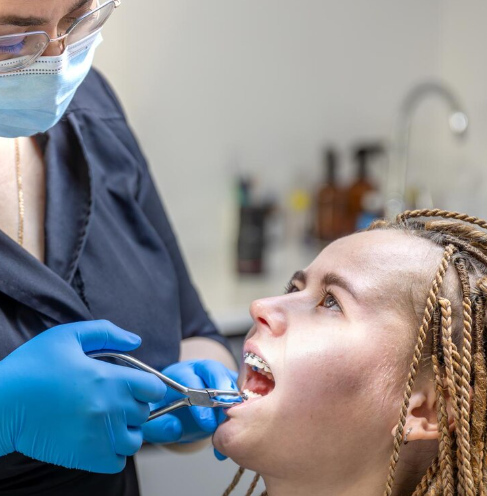
Corrective Occlusal Adjustment in Korea is a precision dental treatment that rebalances the bite (occlusion) to eliminate uneven tooth contact, jaw tension, and grinding (bruxism).
By using AI-guided bite analysis, 3D digital occlusal mapping, and micro-level enamel reshaping, Korean dental specialists correct disharmony between the upper and lower teeth—restoring comfort, balance, and function to the temporomandibular joint (TMJ).
This minimally invasive procedure realigns how teeth meet, ensuring even pressure distribution across the bite.
Korea’s advanced dental centers integrate digital jaw-tracking, CBCT imaging, and CAD/CAM simulation to provide predictable, long-lasting results for patients suffering from bruxism, jaw pain, or TMJ dysfunction.
Purpose & Benefits
Purpose
- Correct bite irregularities causing jaw strain and bruxism.
- Relieve TMJ pressure and muscular tension through occlusal balancing.
- Protect enamel and restorations from grinding-related wear.
- Improve chewing efficiency and alignment stability.
- Support orthodontic or prosthetic results for long-term bite harmony.
Benefits
- Immediate Relief: Noticeable reduction in clenching and jaw discomfort.
- Enhanced Function: Smooth, balanced bite motion during speaking and eating.
- AI Precision: Digitally calibrated adjustments ensure microscopic accuracy.
- Prevents Future Damage: Protects teeth from cracks, wear, and misalignment.
- Improved TMJ Health: Reduces stress and inflammation in jaw joints.
- Comfort & Aesthetics: Promotes a natural, comfortable smile and bite posture.
- Permanent Solution: Long-term occlusal stability after correction.
Ideal Candidates
Corrective Occlusal Adjustment is ideal for patients experiencing bite discomfort, TMJ pain, or tooth wear caused by malocclusion or bruxism.
Ideal Candidates Include:
- Individuals with chronic teeth grinding or jaw clenching.
- Patients suffering from uneven bite or premature tooth contact.
- People experiencing jaw clicking, pain, or stiffness.
- Those with cracked teeth, enamel wear, or sensitivity from bite imbalance.
- Post-orthodontic or prosthetic patients requiring bite refinement.
- International patients seeking advanced, digitally guided bite correction.
Possible Risks & Complications
This therapy is safe when performed by a qualified dentist, though minor temporary effects may occur:
- Mild tooth sensitivity after enamel reshaping.
- Slight bite adjustment sensation for 1–2 days.
- Rare gum irritation if minor contouring affects margins.
- Jaw muscle adaptation period as balance improves.
Korean dental specialists minimize these risks through AI occlusal mapping, microscopic polishing tools, and progressive, stepwise adjustment methods that preserve enamel integrity.
Techniques & Technology Used
Core Techniques
- 3D Digital Occlusal Mapping (T-Scan / Tekscan): Measures bite force distribution in real time.
- AI-Guided Adjustment Simulation: Predicts ideal contact points for balanced occlusion.
- CBCT & 3D Facial Scans: Analyze TMJ position and jaw relationship.
- Selective Enameloplasty: Microscopic reshaping of enamel contact points.
- CAD/CAM Occlusal Design: Digitally planned correction with precise milling.
- Infrared Muscle Tracking (Optional): Detects bruxism intensity during sleep.
- PRF or LLLT Add-On: Supports tissue healing and nerve comfort post-adjustment.
Korean clinics combine digital dentistry with neuromuscular analysis to create perfect occlusal balance without pain or invasive procedures.
Treatment Process in Korea
Step-by-Step Workflow
- Comprehensive Diagnosis:
3D CBCT scan, occlusal mapping, and muscle analysis to identify bite disharmony. - AI Simulation & Planning:
Digital occlusal models simulate adjustments for ideal force distribution. - Enamel Micro-Adjustment:
Dentist performs targeted, microscopic reshaping of high-contact surfaces. - Bite Verification:
Real-time T-Scan confirms even pressure and balanced closure. - Functional Testing:
Chewing, speaking, and movement tested for stability. - Post-Adjustment Polishing:
Surfaces smoothed for natural comfort and aesthetics. - Follow-Up Review:
Digital re-scan ensures long-term balance and comfort.
Recovery & Aftercare
Aftercare Guidelines
- Avoid hard or sticky foods for 24 hours post-procedure.
- Practice normal jaw motion to adapt to the new bite alignment.
- Maintain regular brushing and fluoride rinsing to protect enamel.
- Attend follow-up scans for monitoring bite equilibrium.
- Use night guards if recommended for residual bruxism control.
Adaptation Period:
Most patients adapt fully within 2–5 days, with full bite stability achieved within 1–2 weeks.
Results & Longevity
Expected Results
- Balanced bite and reduced occlusal stress.
- Elimination of jaw pain, clicking, and clenching.
- Protection of enamel and restorations.
- Improved mastication efficiency and speech clarity.
- Enhanced TMJ comfort and relaxation.
Longevity
- Duration: Permanent with regular dental maintenance.
- Review Frequency: Every 6–12 months for digital recheck.
- Success Rate: 97–99% patient satisfaction across major Korean occlusal therapy centers.
Why Korea Is a Top Destination
- AI-Based Occlusal Dentistry: Millimeter-level precision in bite calibration.
- Digital Integration: Seamless combination of 3D scanning, TMJ imaging, and CAD/CAM systems.
- Expert Prosthodontists & TMJ Specialists: World-class credentials and technology access.
- Pain-Free Experience: Minimal tooth reshaping using advanced micro-burs and lasers.
- Affordable Excellence: 40–60% lower cost than Western clinics with equal or higher precision.
- Multilingual Dental Teams: English, Mandarin, and Japanese support for international patients.
Korea’s digital innovation and precision-driven dental philosophy make it a global leader in corrective bite and TMJ therapy.
Unique Korean Methods & Technology
- AI Digital Bite Force Simulation
- 3D CBCT + Occlusal Mapping
- Selective Enameloplasty with Laser Precision
- CAD/CAM Occlusal Surface Design
- PRF/LLLT Regenerative Support
- Neuromuscular Bite Stabilization
- T-Scan Digital Pressure Balancing
- Postural Bite Integration with TMJ Alignment
These advanced systems ensure safe, accurate, and long-lasting occlusal rehabilitation.
Cost Range
| Treatment Package | Price (KRW) | Approx. USD | Inclusions |
|---|---|---|---|
| Basic Occlusal Adjustment | ₩400,000 – ₩700,000 | $300 – $520 | T-Scan analysis + basic enamel reshaping |
| Digital AI Bite Correction | ₩900,000 – ₩1,500,000 | $660 – $1,100 | 3D simulation + selective occlusal balancing |
| Advanced Full Occlusal Rehabilitation | ₩2,000,000 – ₩3,500,000 | $1,480 – $2,600 | CBCT scan + CAD/CAM correction + TMJ stabilization |
Popular Clinics
- Seoul National University Dental Hospital: Leaders in digital occlusion and TMJ integration.
- Yonsei University Prosthodontic Center: Experts in AI bite force recalibration and digital occlusal planning.
- Asan Medical Center Dental Division: Specialists in full-mouth bite and TMJ rehabilitation.
- Samsung Medical Dental Center: Pioneers in AI-guided occlusal simulation systems.
- JK Dental Balance Clinic (Gangnam): Renowned for precision bite correction and bruxism management.


