
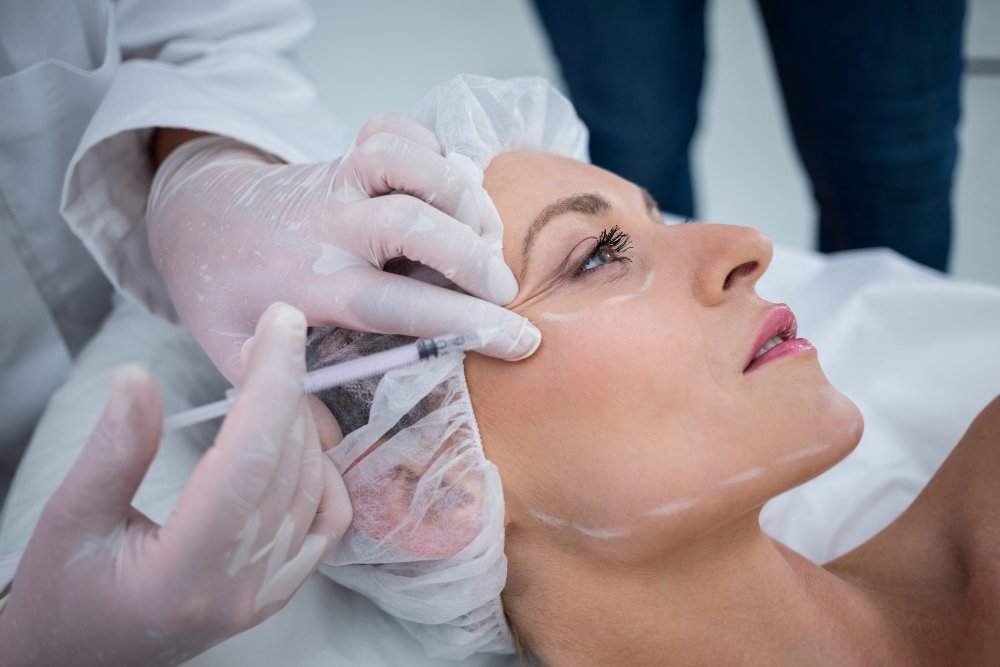
Treatment Overview
Crease Revision Upper Blepharoplasty is a corrective eyelid surgery that focuses on revising, redefining, or reconstructing the upper eyelid fold after a previous double eyelid or upper blepharoplasty procedure. It is designed for patients who are dissatisfied with their current crease due to asymmetry, multiple folds, uneven height, scarring, or unnatural results. In Korea, this surgery is highly advanced, with surgeons known for their ability to restore natural eyelid contours and symmetry through refined techniques.
Purpose & Benefits
- Corrects asymmetrical or uneven eyelid creases
- Removes or adjusts unnatural, too high, or too low folds
- Treats multiple or irregular folds caused by scar tissue
- Improves both aesthetic appearance and eyelid function
- Restores a natural, refreshed, and balanced look
- Boosts confidence by fixing unsatisfactory results from prior surgery
Ideal Candidates
- Patients unhappy with the outcome of a previous upper blepharoplasty or double eyelid surgery
- Individuals with uneven or unnatural-looking creases
- Those with multiple folds, scarring, or irregular crease height
- Patients whose eyelid folds have become loose, faded, or disappeared over time
- People seeking a permanent and natural correction performed by experienced specialists
Possible Risks & Complications
- Swelling and bruising during recovery
- Temporary eye dryness or irritation
- Scar tissue complications (minimized with advanced Korean scar revision techniques)
- Risk of asymmetry if not performed precisely
- Rare chances of infection or under/over-correction
Surgical Techniques Used
- Scar Tissue Removal: Clearing old scar tissue to allow smooth crease formation
- Re-creation of Eyelid Crease: Using incision or non-incisional methods depending on eyelid condition
- Adjusting Crease Height: Lowering or raising the crease for a natural balance
- Fat Repositioning or Removal: Correcting puffiness or hollowness
- Levator Muscle Adjustment (if needed): Correcting drooping eyelids or weak eyelid muscles
Recovery & Aftercare
- Initial swelling and bruising usually last 1–2 weeks
- Stitches are removed within 5–7 days
- Light activities can resume after a week, with full recovery in 1–3 months
- Cold compresses and prescribed ointments help with healing
- Patients are advised to avoid heavy exercise, alcohol, and smoking during recovery for best results
Results & Longevity
- Achieves symmetrical and natural-looking eyelid folds
- Corrects irregularities for a refreshed and youthful look
- Results are long-lasting or permanent, especially when scar tissue is properly revised
- Restores confidence and satisfaction for patients disappointed with prior surgeries
Treatment Process in Korea
Korea is globally recognized as a leader in crease revision eyelid surgery because of:
- Advanced Scar Revision Techniques: Korean surgeons excel at minimizing scar tissue and creating smooth, natural creases.
- Customized Surgical Plans: Each revision is tailored based on eyelid anatomy and previous surgical history.
- Natural Aesthetic Standards: Focus on subtle, balanced results that harmonize with facial features.
- High Success Rates in Complex Revisions: Korea attracts patients worldwide who need secondary or tertiary corrections.
- Cutting-Edge Technology: Use of advanced microsurgical instruments and fine suturing techniques.
Cost Range
The cost of Crease Revision Upper Blepharoplasty in Korea typically ranges from:
- ₩3,500,000 – ₩7,500,000 KRW (approx. $2,600 – $5,800 USD)
Pricing depends on: - Complexity of revision
- Techniques required (scar removal, ptosis correction, fat repositioning)
- Clinic reputation and surgeon expertise
- Whether combined with other eyelid procedures
Popular Clinics
Top Korean clinics for Crease Revision Upper Blepharoplasty include:
- ID Hospital
- Dream Medical Group
- Banobagi Plastic Surgery
- TL Plastic Surgery
- View Plastic Surgery
- Wonjin Beauty Medical Group
- Regen Plastic Surgery
- The PLUS Plastic Surgery
- BIO Plastic Surgery
- JK Plastic Surgery Center


