
Treatment Overview
The Cryocell Cooling Laser is a Korean dermatology innovation that combines laser therapy with cryogenic cooling technology to safely target pigmentation while minimizing heat damage and rebound pigmentation risk. Traditional lasers for melasma can sometimes trigger inflammation and worsening of pigmentation, but Cryocell’s advanced cooling system protects the skin barrier and reduces post-laser sensitivity.
In Korean clinics, the Cryocell Cooling Laser is used as part of a multi-step melasma program, often paired with brightening infusions, tranexamic acid mesotherapy, or aqua peel therapy to achieve safer, long-lasting results.
For melasma, Cryocell Cooling Laser:
- Breaks down melanin clusters without overheating the skin.
- Reduces vascular and inflammatory triggers that worsen melasma.
- Enhances patient comfort with minimal downtime.
- Provides safer, more stable outcomes compared to older laser systems.
Purpose & Benefits
- Gentle Pigmentation Breakdown: Targets melanin without excessive heat.
- Cooling Protection: Prevents post-inflammatory hyperpigmentation (PIH).
- Skin Tone Improvement: Evens discoloration for brighter complexion.
- Reduced Irritation: Cooling mechanism lowers redness and swelling.
- Safe for Sensitive Skin: Adapted specifically for melasma-prone patients.
- Synergy with Other Treatments: Complements infusions, Aqua Peel, and whitening peels.
Ideal Candidates
Cryocell Cooling Laser in Korea is recommended for:
- Patients with stubborn or recurrent melasma.
- Individuals with sensitive or redness-prone skin.
- Adults who experienced PIH from traditional lasers.
- Patients needing gentler, low-risk pigmentation control.
- Those undergoing combination therapies for melasma management.
Comparison with Other Treatments
- Cryocell Cooling Laser: Best for safe laser-based melasma care with reduced heat damage.
- PICO/Q-Switched Laser: Stronger pigment shattering but higher PIH risk.
- BBL (Broadband Light Korean Adaptation): Good for superficial pigmentation and vascular melasma.
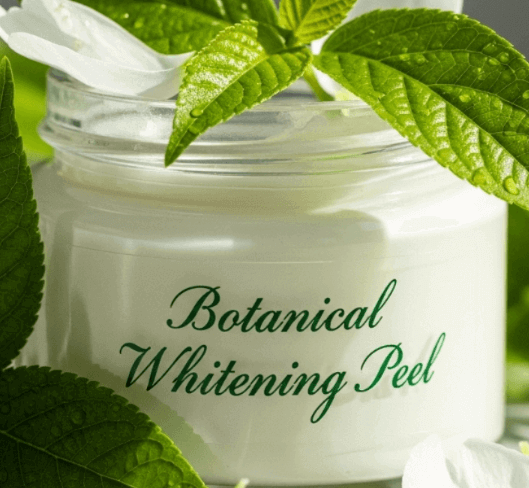
- Botanical Whitening Peel: Gentle surface brightening for sensitive skin.
- Tranexamic Acid Mesotherapy: Addresses pigmentation triggers from within.
Possible Risks & Complications
The Cryocell Cooling Laser is designed for safety, but mild effects may occur:
- Temporary Redness: Usually fades in a few hours.
- Mild Swelling: Rare, resolves within 1–2 days.
- Dryness or Tightness: Relieved with moisturizers.
- Rare PIH: Greatly reduced compared to conventional lasers, but still possible.
Treatment Techniques Used
- Cooling-Coupled Laser Delivery: Laser energy applied with cryogenic cooling for skin protection.
- Low-Fluence, Multiple Passes: Gentle repetition prevents overheating.
- Customized Wavelengths: Adjusted for melasma depth and skin type.
- Session Protocol: 3–5 sessions, spaced 3–4 weeks apart.
- Combination Therapy: Often paired with Vitamin C or tranexamic acid infusion, Aqua Peel, or whitening masks.
Recovery & Aftercare
- Immediately: Mild redness or cool sensation.
- 1–2 Days: Skin calms, feels refreshed and hydrated.
- Weeks of Consistency: Pigmentation lightens gradually with each session.
Aftercare Tips:
- Use soothing creams or hydrating serums daily.
- Apply SPF 50+ sunscreen without fail.
- Avoid harsh exfoliation or hot environments for 3–5 days.
- Follow clinic’s recommended maintenance program.
Results & Longevity
- Short-Term (1–2 Sessions): Skin looks brighter, redness reduced.
- Medium-Term (3–4 Sessions): Noticeable fading of melasma patches.
- Long-Term: Safer, stable results lasting 6–12 months with maintenance every 2–3 sessions annually.
Treatment Process in Korea
- Consultation & Skin Analysis – Doctor evaluates melasma type and skin sensitivity.
- Preparation – Cleansing and numbing cream if needed.
- Cryocell Cooling Laser Session – Laser delivered with integrated cryo-cooling.
- Optional Add-Ons – Tranexamic acid infusion, whitening peel, or aqua peel.
- Post-Care – Cooling mask and soothing cream.
- Follow-Up – Monthly sessions for consistent results.
Why Korea is a Top Destination
- Korean dermatologists pioneered cooling-adapted laser techniques for melasma.
- Use of KFDA-approved Cryocell devices ensures safety and efficacy.
- Clinics combine cooling laser with brightening infusions for faster recovery.
- Packages are affordable and effective, compared to Western clinics.
- Seoul is a hub for cutting-edge pigment-safe laser technology.
Cost Range (Detailed Breakdown)
Pricing for Cryocell Cooling Laser in Korea for melasma:
- Single Session: USD 250 – 450
- 3–5 Session Package: USD 800 – 1,600
- Cryocell Laser + Brightening Infusion (Vitamin C/Tranexamic Acid): USD 400 – 700 per session
- Premium Melasma Package (Cryocell + Laser + Infusions/Peel): USD 2,000 – 4,200 (4–6 sessions)
Additional Costs in Korea:
- Consultation: USD 20 – 40
- Add-ons (Glutathione, Aqua Peel, PRP, Botanical Peel): USD 150 – 500
💡 Patients often describe Cryocell Cooling Laser as a “gentle but powerful melasma laser”, balancing pigmentation correction with maximum skin safety.
Popular Clinics in Seoul
- Oracle Dermatology – Cryocell laser with brightening infusion programs.
- Banobagi Dermatology – Cooling laser + tranexamic acid protocols.
- Renewme Skin Clinic – Cryocell combined with Aqua Peel for sensitive melasma.
- View Plastic & Dermatology – Premium melasma packages with Cryocell + boosters.
- Chaum Anti-Aging Center – Luxury Cryocell laser programs with regenerative add-ons.


