
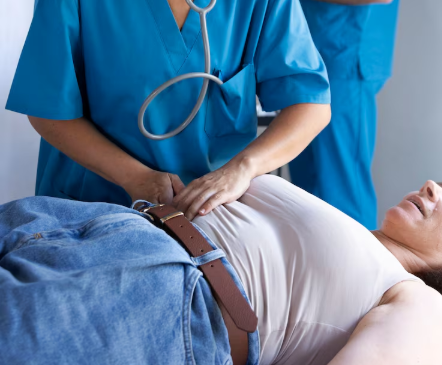
Treatment Overview
Customized Fibroid Removal Surgery Program in Korea is a patient-centered surgical solution designed to address uterine fibroids with precision, safety, and personalized care. Korean hospitals offer this program as part of their commitment to advanced women’s health, combining the latest surgical technologies, tailored treatment planning, and comprehensive aftercare. This program ensures that each patient receives a surgical plan optimized for her unique needs, maximizing outcomes while preserving fertility and uterine health.
Uterine fibroids — benign tumors of the uterine muscle — are a common gynecological condition, affecting millions of women worldwide. They can cause heavy menstrual bleeding, pelvic pain, infertility, frequent urination, and other symptoms that significantly affect quality of life. The Customized Fibroid Removal Surgery Program in Korea focuses on delivering targeted removal of fibroids with the least invasive approach possible, ensuring faster recovery and better long-term results.
Leading Korean medical centers such as Samsung Medical Center, Asan Medical Center, Severance Hospital, CHA Bundang Women’s Hospital, and Ewha Womans University Mokdong Hospital offer this program, leveraging advanced techniques like laparoscopic myomectomy, robotic-assisted myomectomy, ultrasonic-guided myomectomy, and single-port surgery to create highly individualized treatment pathways.
Purpose & Benefits
The main purpose of the Customized Fibroid Removal Surgery Program is to provide a tailored surgical plan that addresses each patient’s specific fibroid profile, symptoms, fertility goals, and recovery needs. This approach offers greater precision, improved surgical outcomes, and reduced postoperative complications.
Key benefits include:
- Personalized Surgical Planning: Detailed preoperative evaluation to create a patient-specific approach.
- Minimally Invasive Techniques: Small incisions for reduced pain, faster healing, and minimal scarring.
- Fertility Preservation: Tailored techniques designed to maintain uterine structure and function.
- Reduced Blood Loss: Precision surgery and advanced energy devices minimize intraoperative bleeding.
- Faster Recovery: Many patients resume daily activities within 1–2 weeks.
- Shorter Hospital Stay: Typically 1–3 days depending on procedure complexity.
- Long-Term Relief: Personalized removal strategies reduce recurrence and improve quality of life.
Korean hospitals integrate advanced imaging, surgical precision, and holistic care into this program, making it a leading option for women seeking individualized fibroid removal surgery.
Ideal Candidates
The Customized Fibroid Removal Surgery Program is suitable for women with symptomatic fibroids who desire a treatment plan tailored to their condition and reproductive needs. Ideal candidates include:
- Women with heavy menstrual bleeding, pelvic pain, or pressure symptoms due to fibroids.
- Patients with infertility linked to fibroid growth.
- Women with multiple, large, or deeply embedded fibroids requiring precise surgical intervention.
- Individuals wishing to preserve their uterus and avoid hysterectomy.
- Women seeking a personalized surgical plan that addresses their unique condition.
Korean gynecologic surgeons conduct comprehensive assessments including ultrasound, MRI, and diagnostic testing to ensure the surgical plan is tailored for optimal results.
Possible Risks & Complications
While customized fibroid removal surgery is highly safe, patients should be aware of potential risks:
- Bleeding: Rare but possible, especially with large fibroids.
- Infection: Minimal risk, reduced with sterile surgical protocols.
- Adhesion Formation: Lower risk with minimally invasive surgery, but possible.
- Injury to Surrounding Organs: Uncommon due to advanced imaging and surgical precision.
- Fibroid Recurrence: Possible, although individualized planning minimizes this risk.
Korean hospitals minimize these risks through advanced surgical techniques, meticulous planning, and structured postoperative care.
Techniques Used
The Customized Fibroid Removal Surgery Program in Korea employs advanced surgical techniques tailored to each patient’s fibroid profile:
- Laparoscopic Myomectomy: Minimally invasive surgery with small incisions for fertility preservation and faster recovery.
- Robotic-Assisted Myomectomy: High-precision robotic tools for complex fibroid removal.
- Ultrasonic-Guided Myomectomy: Real-time imaging to ensure accurate mapping and removal of fibroids.
- Single-Port Myomectomy: A cosmetically favorable approach with only one incision, typically hidden in the navel.
- Energy-Based Devices: Reduce bleeding and preserve healthy tissue.
- Morcellation: Allows removal of larger fibroids in small fragments through small incisions.
- Precision Suturing: Maintains uterine integrity and supports optimal healing.
This program adapts these techniques to each patient’s needs, ensuring the highest surgical precision with minimal impact on recovery time and fertility.
Recovery & Aftercare
Recovery after customized fibroid removal surgery in Korea is generally shorter and more comfortable than traditional open surgery. Most patients return to normal activities within 1–2 weeks.
Aftercare typically includes:
- Regular follow-up to monitor healing and uterine health.
- Pain management tailored to individual needs.
- Guidance on resuming daily activities and fertility planning.
- Lifestyle and wellness counseling to support long-term uterine health.
- Periodic imaging to monitor for fibroid recurrence.
Korean hospitals emphasize structured aftercare and patient education to maximize recovery and long-term success.
Results & Longevity
Customized fibroid removal surgery provides lasting relief from fibroid-related symptoms and preserves uterine health. By tailoring the approach to each patient’s needs, Korea’s program reduces recurrence and improves reproductive outcomes.
Long-term follow-ups show high patient satisfaction and improved quality of life. Patients benefit from personalized treatment plans that optimize both surgical and recovery outcomes.
Treatment Process in Korea
- Initial Consultation: Comprehensive evaluation of symptoms, imaging results, and fertility goals.
- Preoperative Planning: Customized surgical strategy based on fibroid mapping and patient preferences.
- Surgical Procedure: Fibroid removal using minimally invasive, high-precision techniques.
- Recovery Protocol: Structured postoperative care for rapid healing and optimal outcomes.
- Follow-Up: Imaging and consultation to confirm recovery and monitor uterine health.
Korean hospitals ensure this process is seamless, patient-focused, and designed for maximum satisfaction.
Cost Range
Costs for the Customized Fibroid Removal Surgery Program in Korea vary depending on procedure complexity and hospital reputation:
- Laparoscopic Myomectomy: ₩4,000,000 – ₩7,000,000 KRW ($3,000 – $5,200 USD)
- Robotic-Assisted Myomectomy: ₩9,000,000 – ₩14,000,000 KRW ($6,800 – $10,500 USD)
- Ultrasonic-Guided Myomectomy: ₩7,000,000 – ₩12,000,000 KRW ($5,200 – $9,000 USD)
- Comprehensive Custom Packages: ₩8,000,000 – ₩15,000,000 KRW ($6,000 – $11,300 USD)
These prices reflect Korea’s advanced surgical technology, expert care, and patient-centered approach.
Popular Clinics for Customized Fibroid Removal Surgery in Korea
- Samsung Medical Center – Leaders in personalized minimally invasive gynecologic surgery.
- Asan Medical Center – Specialists in robotic-assisted and ultrasonic-guided myomectomy.
- Severance Hospital – Experts in fertility-preserving fibroid removal.
- CHA Bundang Women’s Hospital – Pioneers in customized gynecologic surgery.
- Ewha Womans University Mokdong Hospital – Integrates advanced fibroid removal with tailored aftercare.


