
Treatment Overview
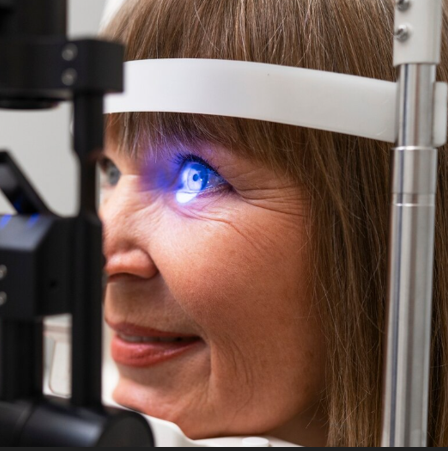
Cyclodestructive Laser Procedures in Korea are advanced glaucoma treatments designed to lower intraocular pressure (IOP) by reducing aqueous humor production within the ciliary body. These procedures apply controlled laser energy to selectively weaken or destroy parts of the ciliary processes responsible for fluid secretion.
Korea is a global leader in precise, safe cyclodestructive techniques—including diode transscleral CPC, micropulse CPC (MP-CPC), endo-cyclophotocoagulation (ECP), and holmium or YAG-based cyclodestruction—made safer using AI-calibrated energy modulation, OCT-guided targeting, and comprehensive postoperative monitoring.
Purpose & Benefits
Purpose
- Lower IOP by reducing aqueous humor production.
- Manage moderate, advanced, or refractory glaucoma.
- Provide an alternative when medications, MIGS, or filtering surgeries fail.
- Treat eyes that are not candidates for invasive surgery.
Benefits
- Non-Incisional Options Available: Many cyclodestructive procedures are external (transscleral).
- Effective for Severe Glaucoma: Particularly useful in refractory or complex cases.
- Repeatable Treatment: Can be safely performed multiple times if needed.
- Better Comfort With Micropulse Systems: Reduced inflammation and pain.
- Targeted Destruction: ECP provides direct visualization for pinpoint accuracy.
- Suitable for Low-Vision Eyes: Effective even when filtration surgery is too risky.
Ideal Candidates
Cyclodestructive laser procedures in Korea are ideal for:
- Patients with advanced or refractory glaucoma.
- Eyes with poor medication response or intolerance to drops.
- Individuals who previously underwent glaucoma surgeries without success.
- Eyes with limited visual potential but dangerously high IOP.
- Patients with neovascular, uveitic (controlled), or post-traumatic glaucoma.
- Adults seeking reduced surgical risk compared to incisional procedures.
Possible Risks & Complications
Although significantly safer in modern Korean practice, potential risks include:
- Temporary inflammation or soreness
- Short-term blurred vision
- IOP spikes during early healing
- Rare hypotony (low pressure)
- Corneal edema (uncommon)
- Excessive ciliary body damage (rare with micropulse/ECP)
Korean clinics minimize these risks through real-time energy control, AI-guided power adjustment, and precise anatomical targeting.
Types of Cyclodestructive Procedures in Korea
Transscleral Diode Cyclophotocoagulation (TSCPC)
Traditional external application of diode laser through the sclera.
Micropulse Cyclophotocoagulation (MP-CPC)
Delivers laser energy in microbursts, significantly reducing inflammation and collateral damage.
Endoscopic Cyclophotocoagulation (ECP)
Internal approach with direct visualization of ciliary processes for maximum accuracy.
Holmium/YAG Cyclodestruction
Used in select cases for precise laser ablation.
Combined Cataract + Cyclodestruction
Performed for patients needing dual treatment during cataract surgery.
Surgical Techniques
AI-Calibrated Laser Energy
Customizes exposure levels based on ciliary body thickness and glaucoma severity.
Non-Incisional Transscleral Application
Laser probe applied externally to treat ciliary processes safely.
Endoscopic Visualization (ECP)
Camera-equipped endoscope provides real-time view of target tissue.
Micropulse Thermal Control
Prevents excessive heat buildup, reducing post-laser inflammation.
Post-Laser Outflow Optimization
Medications stabilize pressure and inflammation after treatment.
Treatment Process in Korea
Step 1 – Full Glaucoma Evaluation
Includes IOP measurement, optic nerve imaging, and visual field assessment.
Step 2 – Procedure Selection
Surgeon chooses TSCPC, MP-CPC, ECP, or hybrid depending on disease status.
Step 3 – Cyclodestructive Laser Application
Laser energy applied externally or internally to reduce aqueous production.
Step 4 – Immediate Care
Pain relief and anti-inflammatory drops administered.
Step 5 – Ongoing Monitoring
Follow-ups ensure IOP reduction and tissue recovery.
Treatment Duration: 10–25 minutes
Setting: Outpatient or day-surgery center
Recovery & After-Care
After-Care Guidelines
- Use prescribed anti-inflammatory and pressure-lowering drops.
- Avoid rubbing the eye and heavy activity.
- Use cold compresses if mild soreness occurs.
- Follow all medication instructions.
- Attend follow-up visits for IOP and inflammation monitoring.
Recovery Timeline
- Days 1–3: Mild discomfort; beginning of IOP response.
- Week 1: Noticeable pressure reduction; inflammation decreases.
- Weeks 2–4: Vision stabilizes; laser effects become clearer.
- Months 1–3: Long-term IOP response fully established.
Results & Longevity
Expected Results
- Significant and sustained lowering of intraocular pressure.
- Reduced medication burden for many patients.
- Effective even in challenging or high-risk glaucoma cases.
- Strong outcomes with micropulse and ECP compared to traditional methods.
Longevity
- Results last 6 months to several years, depending on the technique used.
- MP-CPC and ECP offer the longest durability.
- Procedures are safe to repeat if needed.
Why Korea Is a Top Destination
- Leading expertise in all forms of cyclodestructive laser surgery.
- OCT and ultrasound imaging for precise ciliary body mapping.
- AI-guided energy delivery for maximum safety.
- Higher success rates with micropulse and endoscopic procedures.
- Comprehensive glaucoma care from diagnosis through long-term management.
Unique Korean Innovations
- AI-based predictive energy modeling.
- Thermal-safe micropulse systems.
- Hybrid MIGS + cyclodestruction protocols.
- Real-time endoscopic feedback during ECP.
- Personalized laser dosing based on tissue response.
Cost Range (Indicative Estimate)
| Treatment Package | Price (KRW) | Approx. USD | Inclusions |
|---|---|---|---|
| Standard Transscleral CPC | ₩1,200,000 – ₩2,200,000 | ~$900 – $1,650 | External diode CPC + routine care |
| Micropulse CPC (MP-CPC) | ₩2,400,000 – ₩3,800,000 | ~$1,800 – $2,900 | Micropulse protocol + imaging |
| Endoscopic CPC (ECP) | ₩3,800,000 – ₩5,500,000 | ~$2,900 – $4,200 | Endoscopic visualization + laser treatment |
| Combined Cataract + CPC | ₩5,500,000 – ₩7,800,000+ | ~$4,100 – $5,800+ | Phaco + CPC + extended care |
Popular Clinics in Korea
- B&VIIT Eye Center (Seoul) – Experts in MP-CPC and advanced laser treatments.
- Dream Eye Center (Seoul) – Specialists in diode and hybrid cyclodestruction.
- BGN Eye Clinic (Busan & Seoul) – Leaders in ECP and refractory glaucoma care.
- Glory Seoul Eye Clinic – Precision-focused imaging-assisted CPC.
- K-Cure Vision Center (Gangnam) – Innovators in AI-guided cyclodestructive protocols.


