
Treatment Overview
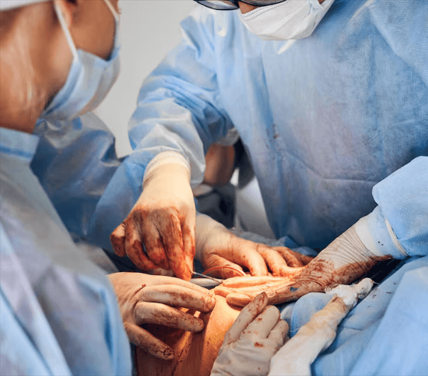
Cystocele and Rectocele Repair Surgery is a pelvic reconstructive procedure designed to treat vaginal prolapse, a common condition in which the bladder (cystocele) or rectum (rectocele) bulges into the vaginal canal due to weakened pelvic floor muscles and connective tissues. This dual repair aims to restore normal vaginal structure, strengthen pelvic support, and relieve symptoms such as vaginal bulging, pressure, or urinary and bowel issues.
In Korea, this procedure is performed under the Women’s Health / OBGYN – Surgical Gynecology specialty using advanced minimally invasive and mesh-free techniques. Korean surgeons are globally known for their precision, functional restoration, and aesthetic outcomes, utilizing high-definition imaging, native tissue repairs, and laparoscopic-assisted systems for optimal results and fast recovery.
Purpose & Benefits
- Corrects bladder (anterior wall) and rectal (posterior wall) prolapse simultaneously.
- Relieves symptoms such as vaginal bulging, pelvic pressure, urinary leakage, and bowel dysfunction.
- Restores pelvic floor strength and natural vaginal anatomy.
- Improves sexual function, bladder control, and bowel movements.
- Can be performed without synthetic mesh, reducing long-term risks.
- Minimally invasive procedure with short recovery and lasting results.
Ideal Candidates
- Women diagnosed with cystocele, rectocele, or mixed vaginal wall prolapse.
- Patients experiencing pelvic pressure, vaginal bulge, urinary or bowel issues.
- Postpartum or postmenopausal women with weakened pelvic support tissues.
- Women seeking functional restoration and vaginal tightening for improved comfort and confidence.
- Patients who have had previous prolapse surgery or hysterectomy and are experiencing recurrence.
Possible Risks & Complications
Cystocele and Rectocele Repair is highly safe, especially in advanced Korean surgical centers, but minor risks may include:
- Temporary vaginal soreness, bleeding, or discharge.
- Mild pelvic pain or swelling.
- Urinary retention or constipation (usually temporary).
- Infection (rare and preventable with antibiotics).
- Scar tissue formation or vaginal tightness.
- Rare recurrence of prolapse if pelvic floor strength is not maintained post-surgery.
Surgical Techniques Used
Korean OBGYN specialists utilize modern, precision-based techniques for cystocele and rectocele repair, focusing on safety, function, and aesthetics:
- Anterior Colporrhaphy: Tightens and reinforces weakened bladder (anterior vaginal wall) support.
- Posterior Colporrhaphy: Repairs rectal (posterior vaginal wall) bulging and strengthens perineal muscles.
- Native Tissue (Mesh-Free) Repair: Uses the patient’s own tissue for a natural and long-lasting result.
- Biologic Graft Reinforcement: Bio-compatible materials for added support when tissue weakness is significant.
- Laparoscopic-Assisted Vaginal Repair: Minimally invasive approach offering improved precision and shorter recovery.
- Laser-Assisted Vaginal Rejuvenation: Used adjunctively for aesthetic enhancement and tissue tightening.
- Combined Pelvic Floor Reconstruction: Simultaneous correction of bladder, vaginal, and rectal prolapse for complete pelvic support restoration.
These techniques, enhanced by Korea’s 3D imaging and robotic-assisted surgical platforms, ensure accurate repair, minimal trauma, and excellent long-term outcomes.
Recovery & Aftercare
- Hospital stay: 1–2 days; many patients can be discharged within 24 hours.
- Initial recovery: Mild soreness or light bleeding may occur for a few days.
- Avoid sexual intercourse, tampon use, and heavy lifting for 4–6 weeks.
- Light walking and pelvic rest are recommended for early healing.
- Pain medication and antibiotics may be prescribed as needed.
- Follow-up: Appointments at 2 weeks and 6 weeks post-surgery to monitor healing.
- Pelvic floor physiotherapy is recommended to maintain results and prevent recurrence.
Most patients resume normal daily activities within 2–3 weeks, with complete recovery in 4–8 weeks.
Results & Longevity
- Immediate improvement in pelvic pressure, bulging, and urinary or bowel symptoms.
- Restoration of vaginal structure and support for natural function.
- Improved sexual confidence and quality of life.
- Long-term results when combined with pelvic muscle strengthening.
- Very low recurrence rates due to Korea’s advanced surgical techniques and postoperative care programs.
Treatment Process in Korea
South Korea is a global leader in pelvic reconstructive surgery, offering advanced technology, skilled surgeons, and patient-centered care. Korean hospitals provide a seamless, efficient treatment experience — from consultation to recovery — making them a preferred destination for international patients.
Most advanced and popular surgical techniques performed in Korea:
- Mesh-free native tissue repair for safer, natural healing.
- Laparoscopic and robotic-assisted dual wall repair for complex prolapse cases.
- Laser and radiofrequency-assisted tightening for improved tissue tone.
- AI-guided pelvic floor imaging for precise diagnosis and surgical mapping.
- Aesthetic-functional hybrid repairs combining prolapse correction with vaginal rejuvenation.
Unique Korean methods or technology:
- Pain-free sedation and rapid recovery protocols for maximum comfort.
- One-day surgery systems allowing consultation, surgery, and recovery in a single visit.
- Fertility-preserving pelvic repair techniques for women of reproductive age.
- Comprehensive rehabilitation programs including physiotherapy and guided Kegel training.
- Multilingual patient care teams supporting international medical tourists.
Why Korea is considered a top destination for this surgery:
- Globally trained OBGYN surgeons specializing in pelvic reconstruction.
- Hospitals equipped with 4K/3D laparoscopic and robotic systems.
- Advanced aesthetic and functional surgical outcomes.
- Affordable medical packages with superior care quality.
- Outstanding postoperative satisfaction and long-term success rates.
Cost Range
The cost of Cystocele and Rectocele Repair Surgery in Korea varies depending on hospital type, surgical technique, and complexity:
- Typical Range: USD 3,500 – 7,500
- Mesh-Free Native Tissue Repair: USD 3,500 – 6,000
- Laparoscopic or Robotic Dual Repair: USD 6,000 – 9,000
- Comprehensive Reconstructive Package (Anesthesia, Hospital Stay, Follow-Up): USD 4,000 – 8,000
Korean hospitals offer transparent, all-inclusive pricing that covers consultation, imaging, anesthesia, hospital stay, and postoperative care. Medical tourism packages may include translation, travel coordination, and recovery support for international patients.
Popular Clinics with Advanced Cystocele and Rectocele Repair Surgery in Korea
- Seoul Miz Hospital – Specializes in pelvic floor and vaginal reconstructive surgeries with minimally invasive methods.
- MizMedi Hospital (Seoul) – Renowned for laparoscopic and mesh-free dual vaginal wall repairs.
- Yoonho OB/GYN Hospital (Gangnam) – Offers combined cystocele and rectocele repair with aesthetic outcomes.
- Gangnam Women’s Hospital – Focuses on functional and cosmetic pelvic reconstruction.
- Asan Medical Center (Seoul) – Korea’s premier tertiary hospital for robotic pelvic floor surgery.
- Samsung Medical Center (Seoul) – World-class facility for advanced reconstructive and urogynecologic surgery.
- Kyung Hee University Hospital at Gangdong – University hospital offering 3D laparoscopic and native tissue repair programs.


