
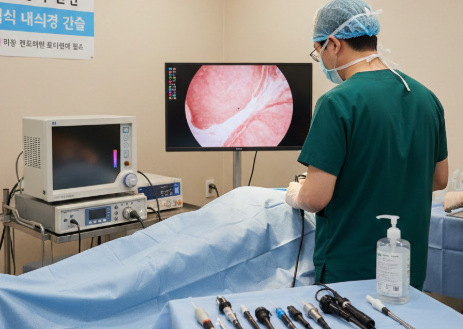
Treatment Overview
Cystoscopy is a minimally invasive procedure that allows urologists to examine the bladder and urethra for abnormalities. When combined with a comprehensive bladder health check-up, cystoscopy provides a thorough assessment of urinary tract function, early detection of bladder conditions, and monitoring of existing issues. In Korea, hospitals provide advanced cystoscopy services using high-definition flexible and rigid scopes, offering both diagnostic and preventive care for domestic and international patients.
Purpose & Benefits
The main purposes of cystoscopy and bladder health check-ups are:
- Detecting early-stage bladder conditions, including tumors, stones, and inflammation.
- Evaluating chronic bladder symptoms such as frequent urination, urgency, or pain.
- Monitoring patients with a history of urinary tract infections or interstitial cystitis.
Key benefits include:
- Early diagnosis for improved treatment outcomes.
- Personalized care plans based on cystoscopy findings and check-up results.
- Minimally invasive procedure with short recovery time.
- Ability to perform minor interventions, such as biopsy or stone removal, if necessary.
Ideal Candidates
Cystoscopy combined with a bladder health check-up is recommended for patients who:
- Experience recurrent urinary tract infections or hematuria.
- Suffer from chronic bladder pain, urgency, or frequency.
- Have a history of bladder stones or tumors.
- Require regular monitoring due to prior urological conditions.
- Are seeking preventive screening for bladder health.
Korean urologists carefully evaluate patients to determine suitability and develop a tailored check-up plan.
Possible Risks & Complications
Although cystoscopy is generally safe, potential risks include:
- Mild discomfort or burning sensation during urination.
- Temporary blood in the urine.
- Urinary tract infections, which can usually be treated with antibiotics.
- Rare urethral injury or bladder perforation.
Korean hospitals employ strict sterilization and monitoring protocols to minimize these risks.
Techniques & Technology Used
Korean hospitals use advanced technology for cystoscopy and bladder check-ups:
- Flexible Cystoscopy: Comfortable and suitable for detailed examination.
- Rigid Cystoscopy: Provides high-definition imaging for precise assessment.
- Laser-Assisted Technology: Allows for minor interventions during cystoscopy.
- Narrow Band Imaging (NBI): Enhances detection of abnormal bladder tissues.
- High-Resolution Camera Systems: Ensure accurate visualization and recording of findings.
These technologies improve diagnostic accuracy while ensuring patient comfort and safety.
Treatment Process in Korea
The process of cystoscopy and bladder health check-up typically includes:
- Pre-procedure Evaluation: Blood tests, urine analysis, and imaging studies to assess the urinary tract.
- Preparation: Local anesthesia or mild sedation is administered for patient comfort.
- Cystoscopy Procedure: The scope is inserted through the urethra to examine the bladder and identify abnormalities. Minor interventions may be performed if needed.
- Post-procedure Monitoring: Patients are observed briefly before discharge.
International patients receive assistance with scheduling, language support, and coordination throughout the process.
Recovery & After-Care
Recovery is usually quick. Recommended after-care includes:
- Drinking plenty of fluids to flush the urinary tract.
- Monitoring for persistent bleeding, pain, or signs of infection.
- Taking prescribed medications, such as antibiotics, if indicated.
- Avoiding strenuous physical activity for a few days.
- Attending follow-up consultations to review findings and treatment plans.
Korean hospitals provide clear instructions and remote follow-up support for international patients.
Results & Longevity
Cystoscopy combined with a bladder health check-up allows for accurate diagnosis, early intervention, and long-term management of bladder conditions. Regular monitoring helps prevent recurrence of issues, supports treatment effectiveness, and ensures ongoing urinary tract health.
Why Korea Is a Top Destination
Korea is a leading destination for cystoscopy and bladder health check-ups due to:
- Advanced Technology: High-definition cystoscopes, laser-assisted procedures, and NBI imaging.
- Experienced Specialists: Board-certified urologists with expertise in minimally invasive procedures.
- Efficient Healthcare System: Short waiting times and streamlined processes.
- Medical Tourism Services: Interpreter services, patient coordinators, and accommodation assistance.
- High Safety and Quality Standards: Strict sterilization protocols and patient monitoring.
Cost Range
The cost for cystoscopy and bladder health check-ups in Korea varies depending on the hospital and procedure complexity:
- Diagnostic cystoscopy with check-up: $400 – $800 USD
- Cystoscopy with biopsy or minor intervention: $800 – $1,500 USD
International patient packages may include hospital coordination, translation services, accommodation, and follow-up care.
Popular Clinics in Korea
Top hospitals for cystoscopy and bladder health check-ups include:
- Severance Hospital, Seoul
- Asan Medical Center, Seoul
- Samsung Medical Center, Seoul
- Bundang CHA Hospital, Seongnam
- Hanyang University Hospital, Seoul
These hospitals provide advanced diagnostic services, high-quality care, and comprehensive support for international patients.


