
Treatment Overview
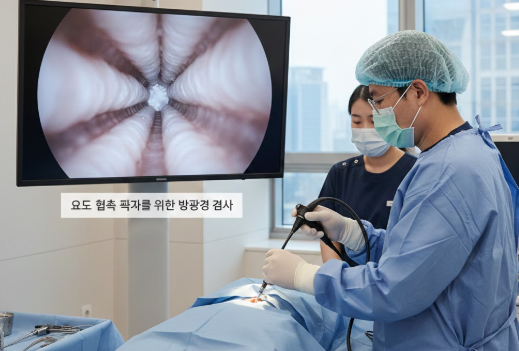
Cystoscopy is a minimally invasive procedure used to examine the urethra and bladder for various urological conditions. Urethral stricture, a narrowing of the urethra, can cause difficulty in urination, frequent urinary tract infections, or bladder dysfunction. In Korea, cystoscopy for urethral stricture evaluation is performed using high-definition flexible and rigid cystoscopes. This allows urologists to accurately assess the location, length, and severity of the stricture and plan appropriate treatment. Korean hospitals provide both diagnostic and therapeutic options for domestic and international patients.
Purpose & Benefits
The main purpose of cystoscopy for urethral stricture evaluation is to:
- Precisely identify the location, length, and severity of the stricture.
- Determine the best treatment approach, whether minimally invasive or surgical.
- Monitor post-treatment outcomes and prevent recurrence.
Key benefits include:
- Direct visualization of the urethra and bladder for accurate diagnosis.
- Minimally invasive procedure with minimal discomfort.
- Ability to perform minor interventions, such as dilation or stent placement, during the procedure.
- Supports personalized treatment planning for long-term relief.
Ideal Candidates
Cystoscopy for urethral stricture evaluation is recommended for patients who:
- Experience difficulty urinating, weak stream, or incomplete bladder emptying.
- Have recurrent urinary tract infections associated with stricture.
- Suffer from urinary retention or frequent urinary urgency.
- Require pre- or post-treatment evaluation for urethral surgery or dilation.
Korean urologists carefully evaluate patients to determine suitability for cystoscopy and identify any risks before the procedure.
Possible Risks & Complications
While cystoscopy is generally safe, potential risks include:
- Mild discomfort or burning sensation during urination.
- Temporary blood in urine after the procedure.
- Urinary tract infections, which are typically treatable with antibiotics.
- Rare urethral injury or worsening of stricture in rare cases.
Strict sterilization and careful procedural techniques in Korean hospitals minimize these risks.
Techniques & Technology Used
Korean hospitals employ advanced technology for urethral stricture evaluation:
- Flexible Cystoscopy: Provides comfort and allows detailed inspection of the urethra.
- Rigid Cystoscopy: Offers high-definition imaging for precise assessment and minor interventions.
- Laser-assisted Technology: Occasionally used for therapeutic intervention, such as incision or dilation.
- High-Resolution Camera Systems: Ensure accurate visualization of strictures and surrounding tissues.
- Narrow Band Imaging (NBI): Enhances detection of tissue abnormalities or inflammation.
These technologies ensure accurate diagnosis and patient safety.
Treatment Process in Korea
The cystoscopy process for urethral stricture evaluation typically involves:
- Pre-procedure Assessment: Blood tests, urine analysis, and imaging to understand the patient’s urinary anatomy.
- Preparation: Local anesthesia or sedation to ensure comfort.
- Cystoscopy Procedure: The scope is inserted into the urethra to visualize and assess the stricture. Minor interventions like dilation may be performed if required.
- Post-procedure Monitoring: Patients are observed briefly and usually discharged the same day.
International patients receive comprehensive support including language assistance and medical coordination for a smooth experience.
Recovery & After-Care
Recovery after cystoscopy for urethral stricture evaluation is usually quick. Recommended after-care includes:
- Drinking plenty of fluids to keep the urinary tract flushed.
- Monitoring for persistent bleeding, pain, or signs of infection.
- Taking prescribed medications, such as antibiotics, if indicated.
- Avoiding heavy physical activity for a few days.
- Attending follow-up appointments to review results and plan further treatment if necessary.
Results & Longevity
Cystoscopy provides immediate and accurate visualization of urethral strictures, allowing for precise diagnosis and treatment planning. When therapeutic interventions are performed, such as dilation or stent placement, results are long-lasting. Regular follow-up ensures ongoing urethral health and reduces the risk of stricture recurrence.
Why Korea Is a Top Destination
Korea is a preferred destination for urethral stricture evaluation due to:
- Advanced Technology: High-definition flexible and rigid cystoscopes, laser-assisted procedures, and NBI imaging.
- Experienced Specialists: Board-certified urologists skilled in minimally invasive procedures and stricture management.
- Efficient Healthcare System: Short waiting times and streamlined processes for domestic and international patients.
- Medical Tourism Services: Interpreter services, patient coordinators, and support for international patients.
- High Safety Standards: Strict sterilization and procedural protocols ensure minimal risk.
Cost Range
The cost for cystoscopy evaluation of urethral strictures in Korea varies depending on the procedure:
- Diagnostic cystoscopy: $400 – $800 USD
- Cystoscopy with minor intervention (dilation or stent): $800 – $1,500 USD
International patient packages may include translation, hospital coordination, accommodation, and follow-up care.
Popular Clinics in Korea
Top hospitals for urethral stricture evaluation include:
- Severance Hospital, Seoul
- Asan Medical Center, Seoul
- Samsung Medical Center, Seoul
- Bundang CHA Hospital, Seongnam
- Hanyang University Hospital, Seoul
These hospitals are renowned for advanced technology, high-quality care, and comprehensive support for international patients.


