
Treatment Overview
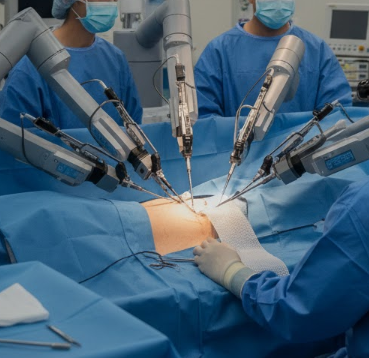
Da Vinci Robotic Sling Placement Surgery represents the most advanced evolution in urethral sling procedures for the treatment of stress urinary incontinence (SUI). Using the Da Vinci® robotic surgical system, Korean uro-gynecologic surgeons perform sling placement with unmatched precision, dexterity, and visualization.
This minimally invasive technique involves the robotic-assisted placement of a mid-urethral or bladder-neck sling, typically made of a biocompatible mesh, to support the urethra and prevent urinary leakage. The robotic approach provides 3D visualization, micro-level accuracy, and minimal tissue trauma, resulting in faster recovery and long-lasting results.
Korea is globally recognized for its expertise in robotic uro-gynecology, with highly trained surgeons performing Da Vinci-assisted sling surgeries in state-of-the-art hospitals dedicated to pelvic-floor and reconstructive women’s health care.
Purpose & Benefits
Purpose:
- To treat stress urinary incontinence caused by weakened pelvic-floor muscles or urethral hypermobility.
- To provide precise sling positioning under robotic guidance for optimal bladder and urethral support.
- To enhance surgical accuracy and reduce risks associated with manual techniques.
Benefits:
- Robotic precision: Enhanced control and stability for delicate pelvic structures.
- Smaller incisions and minimal scarring.
- Shorter hospital stay and faster return to daily activities.
- Reduced pain and blood loss compared to open or laparoscopic surgery.
- Long-term continence restoration with natural urethral function preserved.
- In Korea, the combination of Da Vinci robotic systems and Korean micro-suturing expertise ensures world-class results.
Ideal Candidates
The Da Vinci Robotic Sling Placement Surgery is suitable for:
- Women suffering from moderate to severe stress urinary incontinence.
- Patients with recurrent incontinence after previous sling or pelvic surgeries.
- Women with urethral hypermobility or intrinsic sphincter deficiency.
- Patients seeking maximal precision and long-term durability in their continence procedure.
- Those requiring combined pelvic-floor reconstruction or prolapse repair.
Not suitable for:
- Patients with mild SUI who can benefit from less invasive sling procedures (e.g., single-incision systems).
- Individuals with severe medical conditions preventing robotic anesthesia.
Possible Risks & Complications
Although robotic sling surgery is highly safe and precise, possible risks may include:
- Temporary urinary retention or mild voiding difficulty.
- Slight pelvic or abdominal discomfort post-surgery.
- Minimal bleeding or bruising at incision sites.
- Rare mesh-related issues such as exposure or erosion (extremely low with robotic placement).
- Urinary urgency or infection (transient).
In Korea, risks are minimized through robotic visualization, real-time anatomical mapping, and precise mesh tension calibration by experienced uro-gynecologic teams.
Surgical Techniques Used
Korean hospitals employ the Da Vinci Xi® or Da Vinci SP® robotic systems—the latest generations of surgical robots—to perform sling placement with micro-scale precision.
Procedure Steps:
- Small incisions are made in the lower abdomen or vaginal wall.
- Robotic arms controlled by the surgeon insert a biocompatible sling beneath the urethra or bladder neck.
- The robot’s 3D high-definition camera provides a magnified view of the pelvic anatomy.
- The sling is adjusted tension-free to support the urethra while maintaining normal bladder function.
- Incisions are closed using absorbable sutures, leaving no visible scarring.
Korean Surgical Advancements Include:
- 3D robotic imaging for superior visualization of pelvic anatomy.
- Precision micro-suturing with robotic articulating instruments.
- Customized sling tension adjustment to optimize continence and comfort.
- Integration of robotic-assisted sacrocolpopexy or bladder suspension for complex cases.
- Hybrid techniques combining robotic placement with pelvic-floor rejuvenation therapies.
Techniques Commonly Used in Korea:
- Robotic Mid-Urethral Sling Placement: Ideal for stress urinary incontinence correction.
- Robotic Bladder-Neck Sling: Used for intrinsic sphincter deficiency (ISD) or recurrent incontinence.
- Robotic Hybrid Pelvic Reconstruction: Combines sling placement with prolapse correction for comprehensive repair.
Recovery & Aftercare
Recovery:
- Minimal pain and short hospital stay (typically 1–2 days).
- Most patients resume light activities within 3–5 days.
- Full recovery in 4–6 weeks, depending on the surgical complexity.
Aftercare:
- Avoid heavy lifting, strenuous exercise, and sexual activity for 6 weeks.
- Maintain good hydration and a fiber-rich diet to prevent constipation.
- Attend regular follow-ups for sling evaluation and pelvic assessment.
- Gentle pelvic-floor exercises may be recommended after healing.
- Korean hospitals offer structured rehabilitation programs including EMS therapy, laser rejuvenation, or biofeedback training to maximize functional outcomes.
Results & Longevity
Results:
- Immediate or rapid improvement in urinary continence.
- Elimination or significant reduction of leakage episodes.
- Natural urethral movement preserved, maintaining comfort and bladder function.
- Enhanced pelvic strength and stability.
Longevity:
- Long-lasting results—typically 10–20 years or more with proper care.
- Recurrence rates are significantly lower than traditional sling procedures due to robotic precision.
- Korean clinics’ use of biocompatible sling materials and comprehensive pelvic maintenance ensures durability and safety.
Treatment Process in Korea
Why Korea is a Top Destination:
- Korea is an international leader in robotic pelvic-floor and uro-gynecologic surgery.
- Surgeons are fellowship-trained in robotic continence and reconstructive procedures.
- Hospitals feature the latest Da Vinci robotic systems (Xi and SP models) for unparalleled precision.
- Integration of diagnostic imaging, robotic surgery, and pelvic rehabilitation ensures complete recovery.
- Korean care emphasizes functional results, aesthetic healing, and holistic recovery.
- Dedicated international care units provide bilingual support and transparent pricing.
Typical Surgical Process:
- Consultation: Pelvic exam, ultrasound, MRI, and urodynamic testing.
- Preoperative Planning: 3D anatomical modeling and patient-specific sling design.
- Anesthesia: General anesthesia administered for full robotic access.
- Robotic Sling Placement: Da Vinci system used to position and secure the sling with ultra-fine precision.
- Verification: Sling tension adjusted for normal urethral mobility and continence.
- Closure: Micro-suturing ensures invisible scarring and minimal tissue trauma.
- Postoperative Monitoring: Bladder function assessed before discharge.
- Follow-Up: Routine checks at 1 week, 1 month, and 3 months for healing and continence stability.
Unique Korean Innovations:
- 3D pelvic mapping and robotic simulation pre-surgery for accuracy.
- Micro-tension feedback systems preventing over- or under-correction.
- Robotic multi-arm integration allowing simultaneous pelvic repairs.
- Hybrid robotic + endoscopic approaches for precision and speed.
- Customized post-rehabilitation programs to strengthen long-term continence.
Cost Range (Details)
The cost of Da Vinci Robotic Sling Placement Surgery in Korea depends on surgical complexity, technology, and aftercare options:
- Standard Robotic Sling Placement: ₩ 8,000,000 – 12,000,000 KRW (≈ US $6,100 – $9,100)
- Robotic Bladder-Neck Sling / Combined Pelvic Repair: ₩ 12,000,000 – 16,000,000 KRW (≈ US $9,100 – $12,200)
- Comprehensive Pelvic Reconstruction Package (Robotic + Rehab): ₩ 15,000,000 – 20,000,000 KRW (≈ US $11,400 – $15,200)
- Premium Robotic Rejuvenation Programs: ₩ 20,000,000+ KRW (≈ US $15,200+)
Korea’s advanced medical centers offer international-standard robotic surgery at competitive global rates, ensuring world-class outcomes with personalized care and comfort.
Popular Clinics in Korea
- University-affiliated robotic surgery hospitals specializing in pelvic-floor and continence care.
- Gangnam uro-gynecology centers offering robotic sling and reconstructive procedures.
- Women-exclusive hospitals combining functional continence repair with pelvic aesthetics.
- Postpartum rehabilitation centers integrating robotic surgery with pelvic-strengthening therapies.
- International robotic surgery clinics providing customized care for foreign patients.


