
Treatment Overview
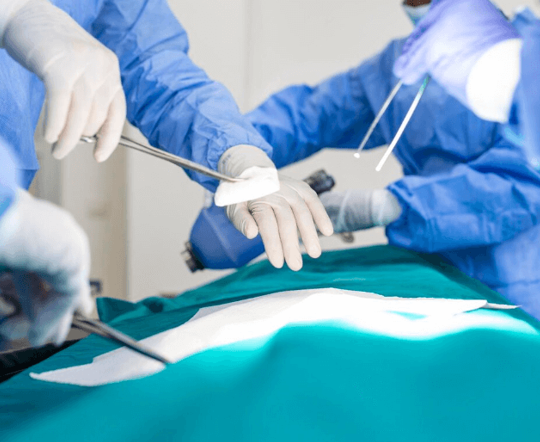
Daehan Minimally Invasive Vaginal Prolapse Repair in Korea is a highly advanced surgical procedure designed to restore pelvic organ support and correct vaginal prolapse with minimal discomfort, reduced recovery time, and exceptional precision. This innovative approach is performed using small incisions, specialized endoscopic instruments, and tissue-preserving techniques that ensure excellent anatomical and functional results.
Vaginal prolapse—often caused by childbirth, aging, or menopause-related hormonal decline—leads to weakening of the pelvic floor muscles and descent of the bladder, uterus, or rectum. The Daehan method focuses on repairing these weakened tissues through laparoscopic or robotic-assisted reconstruction, ensuring long-term structural stability, minimal scarring, and rapid healing.
Purpose & Benefits
The purpose of this surgery is to restore the normal position of the pelvic organs, reinforce the vaginal wall, and relieve symptoms such as pelvic pressure, urinary leakage, and discomfort.
Key benefits include:
- Effective correction of pelvic organ prolapse (cystocele, rectocele, uterine prolapse).
- Smaller incisions and faster recovery than traditional open surgery.
- Enhanced surgical precision with minimal tissue trauma.
- Reduced postoperative pain and bleeding.
- Preservation of vaginal elasticity and sexual function.
- Improved urinary and bowel control.
- Long-lasting results with minimal recurrence risk.
Daehan’s minimally invasive approach combines surgical precision with hormonal balance management to ensure comprehensive pelvic health restoration.
Ideal Candidates
This surgery is ideal for women who:
- Experience pelvic heaviness, bulging, or vaginal pressure.
- Have been diagnosed with bladder, uterine, or rectal prolapse.
- Are postmenopausal and suffering from weakened tissue elasticity.
- Have completed childbearing and wish to restore pelvic strength and function.
- Prefer a minimally invasive alternative with quicker healing and less downtime.
- Seek both functional recovery and improved quality of life.
It is particularly recommended for women with mild to moderate prolapse who wish to maintain vaginal and sexual health.
Possible Risks & Complications
Daehan’s minimally invasive vaginal prolapse repair is exceptionally safe, but as with any surgical procedure, some risks exist. Potential complications may include minor bleeding, temporary urinary retention, or mild swelling. Rarely, prolapse recurrence or infection may occur. These risks are minimized through meticulous surgical planning, advanced laparoscopic techniques, and hormonal optimization therapy before and after surgery.
Surgical Techniques Used
The Daehan Minimally Invasive Vaginal Prolapse Repair utilizes next-generation technology and tissue-friendly methods for optimal results:
- Laparoscopic Repair: Performed through small abdominal incisions for precise visualization and minimal tissue damage.
- Robotic-Assisted Reconstruction: Allows unparalleled precision and stability during delicate pelvic ligament repairs.
- Native Tissue Reinforcement: Uses the patient’s own tissue rather than synthetic mesh for natural healing.
- Vaginal Wall Tightening and Support Reconstruction: Restores natural anatomy and alignment of pelvic organs.
- Hormonal Regeneration Support: Incorporates topical estrogen or bioidentical hormone therapy to improve tissue strength and healing.
- Pelvic Floor Physiotherapy Integration: Combines surgical repair with post-procedure muscle rehabilitation for long-term success.
This advanced multi-layered approach provides structural stability, aesthetic restoration, and hormonal harmony.
Recovery & Aftercare
Recovery from Daehan’s minimally invasive procedure is faster and more comfortable than traditional surgeries. Most patients resume light activities within one week and fully recover within 4–6 weeks.
Aftercare guidelines include:
- Avoid heavy lifting and strenuous exercise for 6–8 weeks.
- Maintain proper hygiene and use prescribed topical treatments.
- Refrain from sexual activity until cleared by the surgeon.
- Attend scheduled follow-up visits for monitoring and pelvic floor evaluation.
- Begin guided Kegel or biofeedback therapy to strengthen pelvic muscles after recovery.
Korean clinics also emphasize hormonal support and physiotherapy to maintain tissue health and prevent recurrence.
Results & Longevity
Results from Daehan’s minimally invasive prolapse repair are long-lasting and functionally effective. Patients typically experience immediate relief from prolapse symptoms, improved vaginal tone, and restored urinary and sexual function.
The benefits of this surgery often last 10 years or more, especially when combined with pelvic rehabilitation and hormonal balance management. The minimal scarring and fast recovery also contribute to higher patient satisfaction and confidence.
Treatment Process in Korea
The procedure begins with a comprehensive pelvic evaluation using 3D imaging, ultrasound, and hormonal profiling to assess tissue integrity and organ alignment. Based on the findings, a customized surgical plan is developed. The surgery is performed under general or regional anesthesia using a laparoscopic or robotic-assisted approach.
Korea’s advanced medical infrastructure and highly trained urogynecologic surgeons ensure safe, precise, and effective results. Daehan clinics are known for their integrative care model, combining medical innovation with hormonal therapy, rehabilitation, and emotional well-being support.
Cost Range
The cost of Daehan Minimally Invasive Vaginal Prolapse Repair in Korea depends on the complexity of the case, surgical technology used, and hospital stay duration. On average, costs range from:
- ₩6,000,000 to ₩10,000,000 KRW (approximately $4,400–$7,300 USD) for standard procedures.
- ₩10,000,000 to ₩15,000,000 KRW (around $7,300–$11,000 USD) for advanced robotic or combined repair with hormonal therapy and rehabilitation.
These prices include consultation, diagnostic imaging, anesthesia, and post-surgical follow-up.
Popular Clinics
- Daehan Women’s Health Center: Specializes in advanced minimally invasive prolapse repairs with integrated hormonal and pelvic rehabilitation programs.
- Cheongdam Premier Clinic: Offers precision robotic-assisted vaginal reconstruction and hormone-based healing therapy.
- Banobagi Women’s Clinic: Focuses on aesthetic and functional pelvic repair for postmenopausal and postpartum women.
- Chaum Wellness Center: Provides luxury-level comprehensive pelvic care combining surgery, hormonal balance, and physiotherapy.


