
Treatment Overview
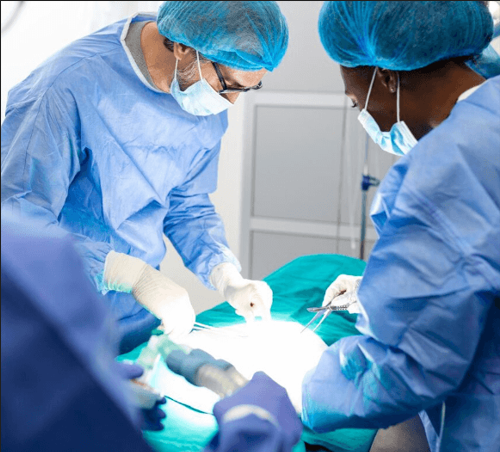
Day Surgery Uterine Polyp Removal in Korea refers to removal of endometrial polyps in a single day, without overnight hospitalization. Under anesthesia or sedation, a hysteroscope is inserted through the cervix to visualize and excise polyps, after which the patient is monitored for a short time and discharged the same day.
Purpose & Benefits
- Rapid relief from symptoms such as irregular bleeding, spotting, or heavy menses
- Allows histopathologic evaluation of removed tissue
- Minimally invasive, with no abdominal incisions
- Reduces hospital stay, overall cost, and patient inconvenience
- Faster return to normal life
Ideal Candidates
- Patients with one or more small-to-moderate uterine polyps confined to the endometrium
- Women without significant comorbidities or bleeding disorders
- Those with good general health and low surgical risk
- Patients desiring a quick procedure with minimal downtime
- Women seeking fertility improvement where polyps may interfere
Possible Risks & Complications
- Mild post-operative vaginal bleeding or spotting
- Cramping or lower abdominal discomfort
- Uterine perforation (rare)
- Infection or uterine inflammation
- Fluid overload from distention medium (rare with proper monitoring)
- Incomplete removal or recurrence
Surgical Techniques Used
- Hysteroscopic Loop Resection / Electrosurgical Excision: Using a loop electrode to excise the polyp under direct visualization
- Bipolar Energy Devices: To cut and coagulate simultaneously
- Mechanical Removal (Scissors / Graspers): Cold or mechanical instruments to reduce thermal injury
- Tissue Morcellation / Shaver Systems: Some advanced centers may use mini-morcellators to fragment and aspirate the tissue during the procedure
Recovery & Aftercare
- After the procedure, patients rest in a recovery room (1–2 hours) until vital signs are stable and bleeding is minimal
- Light spotting or watery discharge for a few days is common
- Analgesics may be prescribed for cramping
- Avoid strenuous activity, tampon use, and intercourse usually for 7–10 days
- Follow-up visit in 1–2 weeks for wound check and pathology review
- Monitoring for signs of infection (fever, foul discharge)
Results & Longevity
- High success for symptom resolution when removal is complete
- Many patients experience immediate improvement after healing
- Recurrence is possible, especially in patients with hormonal imbalances or multiple polyps
- Long-term relief depends on follow-up and preventive measures
Treatment Process in Korea
Korea’s advanced medical infrastructure and emphasis on outpatient, high-efficiency care make day-surgery uterine polyp removal a well-established option in many women’s health clinics and hospitals. Clinics use high-definition hysteroscopes, electrosurgical or morcellation tools, and sterile operating environments for safety and precision.
Many Korean hospitals and specialty women’s centers offer packages for international patients, with services such as:
- Preoperative consultation (often remote)
- Preoperative evaluation (labs, imaging)
- The surgical procedure under sedation or general anesthesia
- Postoperative monitoring and discharge on the same day
- Pathology reporting and follow-up care
Korea is a sought-after destination because of its cutting-edge medical technology, experienced gynecologic specialists, high quality of care, and favorable cost-to-quality ratio. Patient coordination services and multilingual support further enhance its appeal for medical travelers.
Cost Range
For day-surgery uterine polyp removal in Korea, expected costs often range between USD 2,000 and USD 5,000, depending on factors such as:
- Size, number, and location of polyps
- Use of advanced equipment (e.g. morcellators, energy devices)
- Anesthesia type (local, sedation, or general)
- Hospital or clinic prestige and facilities
- Inclusion of pathology, consultations, and follow-ups
For simpler outpatient polypectomies (smaller polyps, minimal instrumentation), costs may fall toward the lower end of that range.
Popular Clinics / Hospitals Offering Day-Surgery Uterine Polyp Removal in Korea
Some prominent Korean facilities known for minimally invasive gynecologic surgery and outpatient hysteroscopic services include:
- Seoul Miz Hospital — specialized in women’s health and minimally invasive procedures
- Gangnam OB/GYN Clinics — private practices in Seoul focusing on uterine and gynecologic endoscopy
- MizMedi Hospital in Seoul — with advanced reproductive and gynecology services
- Yoonho OB/GYN Hospital (Gangnam) — offering outpatient and surgical gynecology care
- Major tertiary hospitals such as Asan Medical Center and Samsung Medical Center, which have comprehensive gynecology departments and outpatient surgical services
If you like, I can look up specific clinics in Seoul with day-surgery polypectomy services along with contact info and updated cost estimates. Do you want me to prepare that?


