
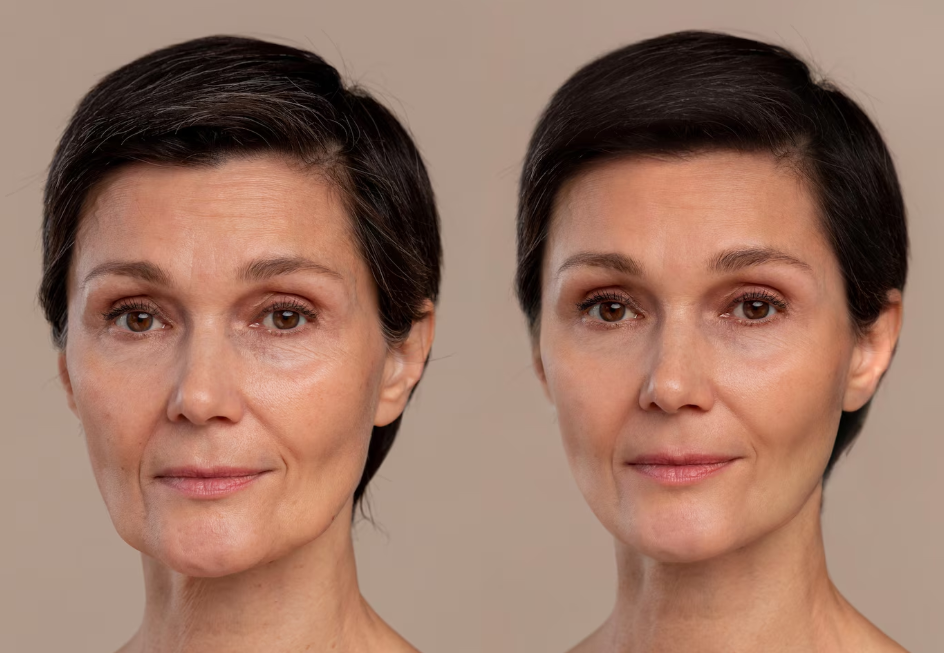
The deep plane facelift has steadily gained attention not only among patients seeking natural and lasting facial rejuvenation but also in the medical community. Recent studies and clinical reports published in medical journals highlight the procedure’s efficacy, safety, and long-term benefits compared to other facelift techniques.
In this post, we’ll dive into the latest medical research and what it reveals about the deep plane facelift—helping you make an informed decision if you’re considering this advanced procedure.
What Is the Deep Plane Facelift? A Quick Recap
The deep plane facelift is a surgical technique that targets the deeper layers of facial tissue, including the muscles and fat beneath the SMAS (superficial muscular aponeurotic system). Unlike traditional facelifts that mainly tighten skin, the deep plane method lifts and repositions the facial musculature, resulting in more natural, youthful contours.
Recent Medical Studies on the Deep Plane Facelift
1. Improved Longevity of Results
A landmark 2021 study published in the Aesthetic Surgery Journal followed over 100 patients who underwent a deep plane facelift. The findings showed that:
- Results lasted 8 to 12 years on average, significantly longer than traditional skin-only facelifts.
- Patients maintained a more natural look, avoiding the “pulled” or “tight” appearance often seen with other methods.
This study highlights how deep tissue repositioning contributes to long-lasting rejuvenation.
2. Safety and Reduced Complications
A comprehensive review in Plastic and Reconstructive Surgery (2022) analyzed complication rates in over 300 facelift patients. It concluded that:
- When performed by experienced surgeons, the deep plane facelift has comparable or even lower rates of nerve injury and hematoma than traditional facelifts.
- Use of advanced imaging and surgical techniques plays a key role in minimizing risks.
This reassures patients about the safety profile of this advanced procedure when done by board-certified experts.
3. Superior Midface Rejuvenation
The midface (cheeks and under-eye area) is a challenging zone to rejuvenate. A study published in JAMA Facial Plastic Surgery in 2023 compared the deep plane facelift to the SMAS facelift:
- The deep plane approach provided better restoration of midface volume and cheek contour.
- Patients reported higher satisfaction scores related to natural appearance and longevity.
4. Patient Satisfaction and Psychological Impact
In addition to physical results, several studies emphasize the psychological benefits of the deep plane facelift. One study from 2022 in The Journal of Aesthetic and Reconstructive Surgery noted:
- Patients reported significant improvements in self-esteem and social confidence.
- The natural, subtle results contributed to more positive mental health outcomes compared to more aggressive techniques.
What Do These Studies Mean for Patients?
The growing body of scientific literature confirms that the deep plane facelift is:
- A durable and effective surgical option for facial rejuvenation.
- Safe when performed by skilled surgeons who understand facial anatomy.
- Particularly beneficial for patients seeking natural, long-lasting improvements without an “overdone” look.
How to Use This Information in Your Decision-Making
- Ask your surgeon about their experience and outcomes with deep plane facelifts.
- Discuss recent research and how they integrate best practices from the medical literature.
- Consider surgeons who use imaging technology and nerve monitoring to reduce risks.
Final Thoughts
The deep plane facelift continues to be a focus of medical research because it offers superior results for patients seeking facial rejuvenation. If you’re exploring facelift options, understanding what the latest studies reveal can help you choose a procedure that balances aesthetics, safety, and longevity.


