
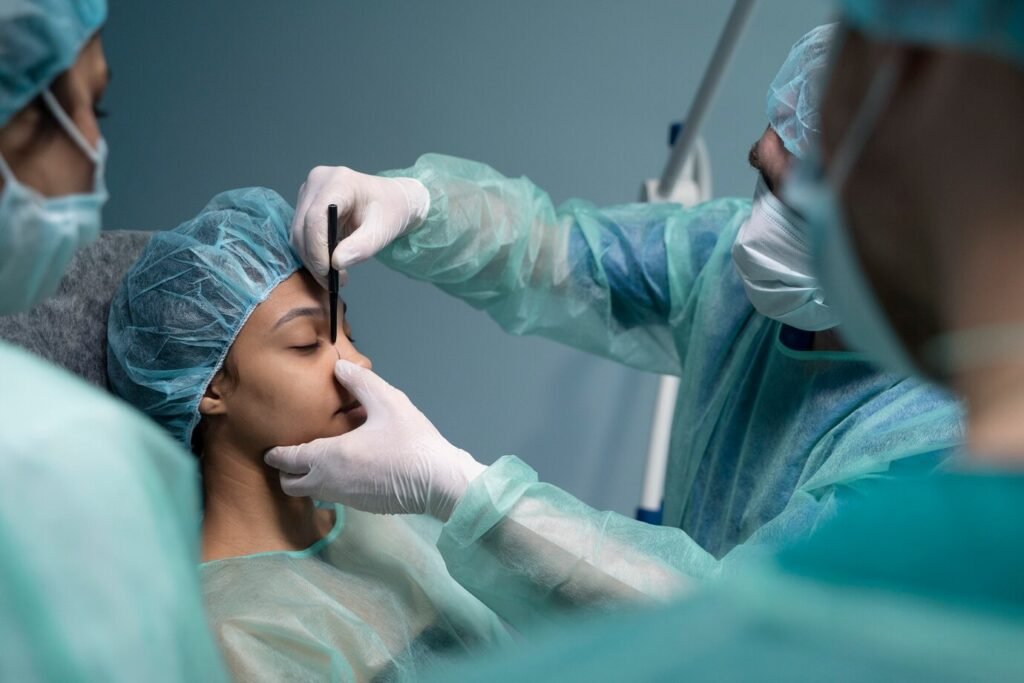
The deep plane facelift has emerged as the gold standard for natural, long-lasting facial rejuvenation—especially in South Korea, where innovation and artistry in plastic surgery are world-renowned. But beyond the surgical skill and aesthetic results, one key concern remains on the minds of patients:
👉 “What is recovery like after a deep plane facelift in Korea?”
To answer that, we’ve gathered insights from real international patients who underwent this advanced procedure in Korea. From pain levels to swelling and emotional milestones, here’s what you can expect during your recovery journey in 2025.
🛬 Week 0: Arrival & Surgery Day
Most international patients arrive in Seoul 1–3 days before surgery for:
- Pre-op assessments
- In-person consultation with the surgeon
- Medical clearance
Day of Surgery:
- Procedure time: 3–5 hours under general or twilight anesthesia
- Post-op: You’ll wake up in a recovery room with compression bandages and light drainage tubes (if used)
- Overnight stay may be required depending on clinic protocols
Patient Quote:
“I felt no pain during the procedure. Woke up groggy but not uncomfortable. The nurses were so kind and stayed with me the entire time.” – Sarah, 52, USA
🧊 Week 1: Swelling, Bruising & Rest
This is the most intense phase of recovery, where:
- Swelling peaks around Day 2–3
- Bruising may appear around cheeks, jawline, and neck
- Numbness and tightness are normal
- Pain is minimal but discomfort can be present (managed with meds)
Most patients are advised to:
- Sleep with head elevated
- Apply cold compresses intermittently
- Eat soft foods
- Limit movement (no exercise, no alcohol, no smoking)
Patient Quote:
“I looked puffy, like I had a balloon under my cheeks. But pain was surprisingly low—more like pressure than actual pain.” – Linda, 46, Australia
🎭 Week 2: Visible Healing & Suture Removal
- External sutures (near ears or hairline) are typically removed around Day 7–10
- Swelling reduces by 40–60%
- Light bruising may persist but can be concealed with makeup
- Patients begin going out with a mask or scarf
This is when many start to feel “socially functional,” especially with:
- Korean regenerative treatments (LED, PRP, lymphatic massage)
- Clinic-provided post-op skincare
Patient Quote:
“By Day 10, I had lunch in Gangnam with a mask. No one could tell I had surgery. I felt so much better emotionally once the swelling went down.” – Mei, 39, Singapore
📸 Weeks 3–4: Back to Normal Life
- Most patients return to light work or travel by the 3rd or 4th week
- 80–90% of swelling is gone
- Scars are hidden in natural creases and continue to fade
- Subtle facial contours begin to emerge
If you’re flying internationally, most surgeons clear you for travel by Day 10–14, assuming no complications.
Patient Quote:
“I flew back to Dubai 2 weeks after surgery and was already Zoom-ready for meetings. My jawline looked sharper and I still looked like me.” – Rana, 45, UAE
🪞 Months 2–6: Final Results & Long-Term Healing
- Remaining swelling and numbness gradually resolve
- Cheek volume settles into a natural position
- Incision scars fade (aided by scar creams or lasers)
- Full results are visible around Month 3–6
This phase is where patients truly appreciate the lifted yet natural look of the deep plane technique.
Patient Quote:
“At 4 months, I looked like myself from 10 years ago—but refreshed, not fake. My friends can’t figure out what I did!” – Helena, 59, Canada
🌟 Pro Tips from Real Patients
Don’t rush sightseeing—schedule tours after Week 2 or save them for your next visit!
Choose a recovery-friendly hotel near your clinic (many clinics recommend specific accommodations)
Use translator apps or clinics with English-speaking coordinators
Pack recovery essentials: compression garment, neck pillow, dry shampoo, light scarves


