
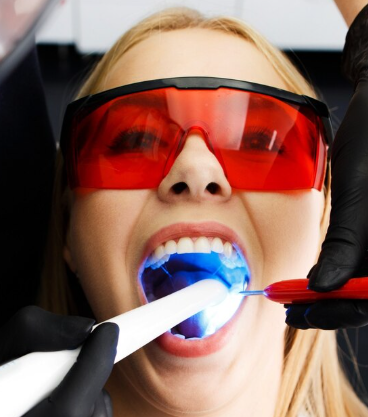
Treatment Overview
Deep Pocket Reduction Surgery in Korea is a specialized periodontal procedure that eliminates deep gum pockets caused by advanced gum disease (periodontitis). The treatment removes infected tissue and bacterial buildup from beneath the gums, allowing the gums to reattach firmly to the tooth surfaces.
Korean dental specialists perform this surgery using minimally invasive microsurgical techniques, laser disinfection, and biologic regenerative materials such as PRF (Platelet-Rich Fibrin) and bone graft membranes. These biologic enhancements stimulate healing, regenerate bone support, and restore gum health naturally.
At Korea’s top periodontal centers, the procedure is guided by 3D imaging, AI-based pocket mapping, and laser-assisted detoxification, ensuring painless, precise, and long-lasting periodontal recovery.
Purpose & Benefits
Purpose
- Remove deep periodontal pockets and infected tissue.
- Halt gum disease progression and prevent tooth loss.
- Promote gum reattachment to the tooth structure.
- Regenerate supporting bone and soft tissue.
- Restore healthy gum contours for better oral hygiene access.
Benefits
- Stops Periodontal Disease: Eliminates bacterial colonies beneath the gum line.
- Regenerates Gum & Bone: Stimulates biologic healing using PRF and regenerative membranes.
- Minimally Invasive: Microsurgical approach for less trauma and faster recovery.
- Pain-Free Recovery: Laser sterilization minimizes inflammation and discomfort.
- Improved Oral Health: Makes daily cleaning easier by reducing deep pockets.
- Long-Term Tooth Protection: Strengthens periodontal foundation and prevents recurrence.
Ideal Candidates
Deep Pocket Reduction Surgery is ideal for patients who:
- Suffer from moderate to severe periodontitis.
- Have deep gum pockets (≥5mm) detected in dental probing.
- Experience persistent bleeding gums, bone loss, or gum swelling.
- Have not responded fully to non-surgical treatments (like scaling and root planing).
- Seek a definitive, regenerative solution to restore gum health naturally.
Possible Risks & Complications
The procedure is safe and predictable when performed by experienced Korean periodontists. However, minor short-term effects may include:
- Mild swelling or tenderness for 2–4 days.
- Slight gum tightness as healing occurs.
- Temporary tooth sensitivity.
Top Korean clinics minimize complications through AI-calibrated laser therapy, PRF membrane application, and precise microsurgical execution, ensuring biologic stability and predictable healing.
Techniques & Technology Used
Core Techniques
- Flap Reflection & Pocket Elimination: Carefully lifts gum tissue to access infected areas.
- Laser Bacterial Detoxification: Destroys pathogens and disinfects deep tissues.
- PRF (Platelet-Rich Fibrin) Regeneration: Promotes faster tissue healing and attachment.
- Bone Grafting (if needed): Rebuilds lost bone support around teeth.
- Guided Tissue Regeneration (GTR): Uses biocompatible membranes to direct new tissue growth.
- AI Digital Pocket Mapping: Measures depth and ensures precise treatment areas.
- Laser Biostimulation: Enhances vascularization and accelerates regeneration.
- Microsurgical Suturing: Minimizes trauma and ensures natural gum contour.
These innovations ensure complete disinfection, natural regeneration, and durable gum reattachment.
Treatment Process in Korea
Step-by-Step Workflow
- Digital Periodontal Assessment:
AI-based scanning and probing measure pocket depth and bone loss. - Laser-Assisted Cleaning:
Diseased tissue and bacteria removed with minimally invasive laser technology. - Flap Elevation & Root Surface Cleaning:
Gum gently lifted to clean and smooth root surfaces. - PRF & Bone Regeneration:
PRF membranes or bone grafts applied to stimulate healing and bone regrowth. - Flap Repositioning:
Gum flap repositioned and sutured to restore normal contour. - Laser Sealing & Biostimulation:
Laser energy promotes collagen regeneration and seals the tissue. - AI Healing Monitoring:
Digital scans during follow-up visits ensure pocket depth reduction and stable attachment.
Recovery & Aftercare
Aftercare Guidelines
- Avoid brushing or flossing treated areas for 5–7 days.
- Maintain gentle rinsing with prescribed antiseptic or saline solution.
- Eat soft foods and avoid hard or spicy meals for one week.
- Avoid smoking and alcohol to promote faster healing.
- Attend follow-up visits for digital healing checks.
Recovery Timeline
- 1–3 Days: Mild swelling or tenderness subsides.
- 1–2 Weeks: Gum reattaches and pocket depth reduces.
- 4–6 Weeks: Complete regeneration and gum stabilization achieved.
Results & Longevity
Expected Results
- Elimination of deep periodontal pockets.
- Healthier gum attachment and reduced bleeding.
- Enhanced gum contour and aesthetic improvement.
- Regenerated bone and connective tissue.
- Long-term stabilization of teeth.
Longevity
- Results typically last 10–20 years with proper oral care.
- Korean clinics report 97–99% success rates for biologically integrated pocket reduction.
- Regular dental scaling and professional maintenance recommended twice a year.
Why Korea Is a Top Destination
- Regenerative Periodontal Leadership: Korea is globally recognized for biologic and laser-assisted gum therapies.
- AI-Enhanced Precision: Digital pocket mapping ensures targeted, conservative surgery.
- Biologic Integration: PRF, GTR membranes, and oxygen-ozone therapy enhance healing.
- Pain-Free Experience: Microsurgical techniques and laser sealing minimize discomfort.
- Affordable Excellence: 40–60% lower than Western pricing.
- International Care Standards: English, Japanese, and Mandarin-speaking dental teams.
Korea’s combination of AI innovation, biologic science, and regenerative microsurgery makes it the top destination for advanced periodontal healing.
Unique Korean Methods & Technology
- AI-Guided Periodontal Pocket Mapping
- PRF + Laser Regenerative Protocol
- Oxygen-Ozone Detox Systems
- CAD/CAM Flap Simulation
- Biophotonic Laser Healing
- Guided Biofilm Therapy (GBT)
- Microsurgical Precision Suturing
- AI Healing Analytics
These technologies ensure deep-pocket elimination, fast recovery, and biologically healthy gums.
Cost Range
| Treatment Package | Price (KRW) | Approx. USD | Inclusions |
|---|---|---|---|
| Single-Quadrant Deep Pocket Surgery | ₩900,000 – ₩1,500,000 | $670 – $1,120 | Laser detox + PRF + microsurgical closure |
| Multi-Quadrant Regenerative Surgery | ₩2,000,000 – ₩3,500,000 | $1,480 – $2,590 | PRF + GTR membrane + AI pocket analysis |
| Advanced Periodontal Regeneration Program | ₩4,000,000 – ₩5,500,000 | $2,960 – $4,070 | PRF + bone graft + AI monitoring + CAD/CAM flap design |
Popular Clinics
- Seoul National University Dental Hospital (Periodontal Regeneration Unit): Pioneers in biologic periodontal regeneration and laser-assisted pocket reduction.
- Yonsei University Dental Hospital (Advanced Gum Center): Experts in AI-guided periodontal microsurgery and PRF regeneration.
- Asan Medical Center (Oral Biologic Department): Specializes in bone regeneration and oxygen-ozone pocket therapy.
- Samsung Medical Dental Center: Leaders in digital pocket analysis and flap microsurgery.
- JK Biologic Dental Clinic (Gangnam): Renowned for biologic periodontal rejuvenation and holistic gum healing.


