
Treatment Overview
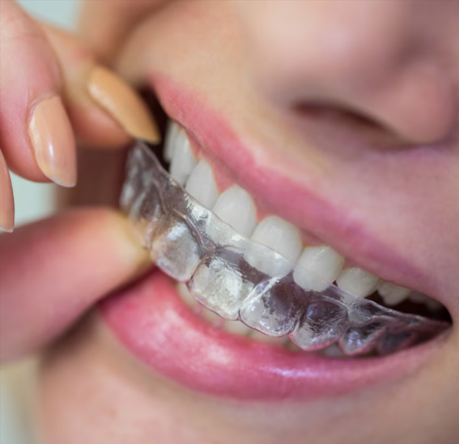
Dental Bruxism Splint Therapy in Korea is a clinically advanced solution for managing bruxism (teeth grinding and jaw clenching) and TMJ (temporomandibular joint) disorders through precision-engineered dental splints.
Korean dental specialists utilize AI-guided bite analysis, 3D scanning, and CAD/CAM fabrication to create fully customized splints that protect teeth, relax jaw muscles, and correct bite imbalances during rest.
Unlike generic nightguards, bruxism splints are therapeutic medical-grade appliances designed to treat both the symptoms and causes of bruxism by stabilizing the bite and improving jaw joint alignment.
Through Korea’s integration of digital dentistry, neuromuscular calibration, and advanced materials, patients experience long-lasting relief from TMJ pain, muscle fatigue, and dental wear — all with superior comfort.
Purpose & Benefits
Purpose
- Prevent tooth damage from grinding and clenching.
- Reduce TMJ strain and muscle overactivity.
- Align bite and jaw position for functional harmony.
- Protect dental restorations and enamel surfaces.
- Improve sleep quality and overall jaw relaxation.
Benefits
- AI-Calibrated Fit: Ensures precise occlusal balance and comfort.
- TMJ Stability: Keeps joints in neutral position to minimize stress.
- Pain & Headache Relief: Reduces muscle tightness and morning discomfort.
- Durable Design: Long-lasting hybrid thermoplastic or acrylic construction.
- Digital Precision: CAD/CAM fabrication guarantees an exact fit.
- Comfort-Oriented Therapy: Lightweight, slim, and easy to wear nightly.
- Improved Oral Function: Promotes long-term jaw and muscle coordination.
Ideal Candidates
Ideal Candidates Include:
- Patients suffering from chronic bruxism or nighttime clenching.
- Individuals with TMJ discomfort, stiffness, or locking.
- Those experiencing headaches, jaw fatigue, or enamel wear.
- People with cracked restorations, crowns, or veneers.
- Post-orthodontic patients needing bite stabilization.
- International patients seeking advanced dental splint therapy in Korea.
Possible Risks & Complications
Dental Bruxism Splint Therapy is safe and clinically proven. Temporary side effects may include:
- Mild jaw tightness during the first few nights.
- Slight salivation changes during initial adjustment.
- Temporary bite awareness as muscles adapt to realignment.
Korean dentists minimize these effects using AI-controlled bite mapping and progressive calibration, ensuring smooth and pain-free adaptation.
Techniques & Technology Used
Core Techniques
- 3D CBCT & Intraoral Scanning: Provides complete visualization of teeth, bite, and TMJ.
- AI Bite Force Mapping: Detects and balances occlusal pressure points.
- CAD/CAM Digital Fabrication: Crafts precision splints with micron-level accuracy.
- EMG Muscle Tracking: Monitors jaw muscle activity during fitting.
- Therapeutic Occlusal Splint Design: Promotes joint stability and muscle relaxation.
- CBCT-Guided TMJ Calibration: Aligns splint function with jaw motion.
- Advanced Hybrid Materials: Combines strength and comfort for long-term use.
These technologies make Korean dental splints highly accurate, functional, and medically effective in treating bruxism and TMJ conditions.
Treatment Process in Korea
Step-by-Step Workflow
- Comprehensive Consultation & Diagnosis:
Includes TMJ evaluation, CBCT imaging, and occlusal analysis. - Digital Impression (3D Scanning):
Painless scanning replaces traditional molds for faster results. - AI Bite Simulation:
Predicts pressure zones and bite interactions for precision design. - Custom Splint Fabrication:
Guard is digitally milled or 3D printed using CAD/CAM technology. - Clinical Fitting & Adjustment:
Dentist ensures balanced bite and jaw comfort during use. - Usage Education:
Patients receive detailed guidance for nighttime wear and cleaning. - Follow-Up Monitoring:
Periodic digital check-ups for recalibration and long-term performance.
Recovery & Aftercare
Aftercare Guidelines
- Wear your splint nightly as prescribed by your dentist.
- Clean daily with mild soap and lukewarm water.
- Avoid chewing or grinding with the splint in place.
- Store in a ventilated, hygienic case when not in use.
- Schedule regular follow-ups for recalibration every 6–12 months.
Adaptation Period:
Most patients adapt comfortably within 3–5 nights, with noticeable relief from bruxism and TMJ tension in 1–2 weeks.
Results & Longevity
Expected Results
- Dramatic reduction in grinding and clenching frequency.
- Relief from jaw pain, headaches, and facial muscle tension.
- Protection against tooth fractures and enamel erosion.
- Enhanced jaw stability and bite alignment.
- Better sleep and stress reduction.
Longevity
- Duration: 2–5 years, depending on splint material and maintenance.
- Maintenance: Annual digital bite check recommended.
- Success Rate: 98–99% satisfaction across leading Korean dental centers.
Why Korea Is a Top Destination
- Digital Precision Dentistry: AI and CAD/CAM systems ensure perfect fit and occlusion.
- TMJ-Focused Approach: Addresses both bruxism symptoms and jaw alignment.
- Clinical Expertise: Performed by university-trained dental and TMJ specialists.
- Affordable Care: 40–60% more cost-effective than Western treatments.
- High-Tech Materials: Biocompatible, durable, and designed for long-term use.
- Global Accessibility: English, Mandarin, and Japanese-speaking dental teams.
Korea’s integration of technology, biomechanics, and holistic dentistry makes it the global leader in bruxism splint therapy and TMJ protection.
Unique Korean Methods & Technology
- AI Bite Force Analysis & Occlusal Calibration
- CBCT & EMG Neuromuscular Integration
- CAD/CAM Custom Splint Engineering
- Digital Occlusal Mapping & Simulation
- Hybrid Thermoplastic Comfort Design
- Smart Bruxism Tracking (Optional)
- AI Predictive Bite Adjustment
- Full TMJ-Bruxism Alignment Protocol
These state-of-the-art methods ensure maximum comfort, precision, and long-term TMJ stability.
Cost Range
| Treatment Package | Price (KRW) | Approx. USD | Inclusions |
|---|---|---|---|
| Standard Bruxism Splint | ₩400,000 – ₩700,000 | $300 – $520 | 3D scan + splint fabrication + fitting |
| Advanced Digital Splint Program | ₩800,000 – ₩1,500,000 | $590 – $1,100 | CBCT imaging + AI bite calibration + TMJ analysis |
| Premium TMJ-Bruxism Splint Therapy | ₩1,800,000 – ₩3,000,000 | $1,330 – $2,220 | Full diagnostics + EMG muscle tracking + digital recalibration |
Popular Clinics
- Seoul National University Dental Hospital (TMJ & Bruxism Division): Experts in digital splint therapy and occlusal analysis.
- Yonsei University Dental Hospital (Functional Dentistry Department): Pioneers in neuromuscular bruxism splint therapy.
- Asan Medical Center Oral Rehabilitation Unit: Specialists in therapeutic occlusal and TMJ splint management.
- Samsung Medical Dental Center: Leaders in AI-driven CAD/CAM splint fabrication and digital bite mapping.
- JK Dental Balance Clinic (Gangnam): Renowned for personalized bruxism splint programs and international patient services.


