
Treatment Overview
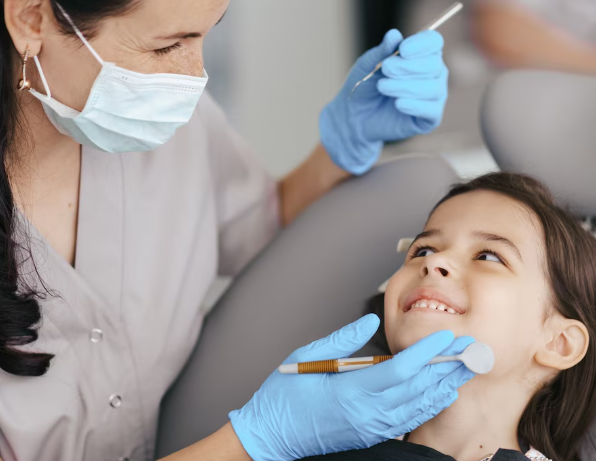
Dental Sealant Application in Korea is a highly effective, preventive dental treatment designed to protect teeth — especially molars and premolars — from cavities and decay. Sealants are thin, tooth-colored resin coatings applied to the chewing surfaces of teeth, where most cavities form due to deep pits and grooves.
Korean dental clinics are globally recognized for their advanced preventive care systems, digital application precision, and pediatric-friendly techniques. Using high-quality BPA-free sealant materials and modern bonding technology, Korean dentists ensure long-lasting cavity protection with minimal discomfort and exceptional aesthetic results.
This simple, non-invasive procedure is especially popular among children and teenagers, but adults prone to decay can also benefit. Dental sealant application is a cornerstone of Korea’s Cavity Prevention Program, combining technology, hygiene, and expertise to safeguard smiles.
Purpose & Benefits
Purpose
- To prevent cavities in molars and premolars by sealing deep fissures and grooves.
- To block out food particles and bacteria that cause tooth decay.
- To provide long-term enamel protection for children and adults.
- To support Korea’s national oral health goals for preventive dental care.
Benefits
- Cavity Prevention: Creates a physical barrier against plaque and acids.
- Painless & Non-Invasive: Requires no drilling or anesthesia.
- Quick & Comfortable: Entire procedure takes only 10–20 minutes per tooth.
- Long-Lasting Protection: Effective for 5–10 years with proper care.
- Aesthetic & Safe: Tooth-colored, BPA-free, and invisible on chewing surfaces.
- Cost-Effective: Prevents expensive restorative procedures in the future.
This makes Dental Sealant Application in Korea a trusted solution for maintaining strong, cavity-free teeth from childhood through adulthood.
Ideal Candidates
Ideal Candidates Include:
- Children (ages 6–14): When permanent molars and premolars erupt.
- Teenagers: To protect chewing surfaces during high-risk years.
- Adults: With deep grooves or cavity-prone enamel.
- Orthodontic Patients: Who may find it difficult to clean between brackets.
- Individuals with Early Decay: To stop progression before cavities form.
Sealants are ideal for patients who value prevention, convenience, and long-term oral health protection.
Possible Risks & Considerations
While dental sealants are extremely safe, some rare or mild side effects may occur:
- Minor Sensitivity: Temporary after application.
- Sealant Wear or Loss: Over time due to chewing pressure; easy to reapply.
- Allergic Reaction: Extremely rare with modern, BPA-free materials.
- Incomplete Coverage: Possible if applied over existing decay (prevented with pre-screening).
Korean dental professionals minimize these risks through digital application, laser-aided surface cleaning, and strict quality protocols.
Techniques Used
Korea’s dental clinics employ state-of-the-art sealant technology and meticulous techniques for long-lasting protection and patient comfort.
Common Techniques Include:
- Digital 3D Scanning: Identifies deep grooves and caries-prone areas.
- Air Abrasion & Laser Cleaning: Prepares enamel surface without drilling.
- Acid Etching: Creates micro-retention for sealant bonding.
- Resin Sealant Application: Flowable, tooth-colored resin applied precisely.
- UV Light Curing: Hardens the sealant instantly for immediate protection.
- Final Polishing & Check: Ensures comfort, bite alignment, and durability.
These techniques combine digital precision with clinical artistry, ensuring Korean dental sealants last for years.
Recovery & Aftercare
Recovery is immediate after sealant placement — patients can eat, drink, and resume normal activities right away.
Aftercare Guidelines:
- Avoid sticky or hard foods for 24 hours after application.
- Maintain twice-daily brushing and flossing.
- Attend follow-up checkups every 6–12 months.
- Reapply sealants every 5–10 years if wear occurs.
- Use fluoride toothpaste for added enamel protection.
Proper aftercare ensures the sealant continues to protect the tooth surface effectively for many years.
Results & Longevity
Expected Results:
- Immediate protection against cavities.
- Smooth, natural-looking chewing surfaces.
- Easier cleaning and improved oral hygiene.
- Long-term preservation of enamel health.
Longevity:
Sealants can last 5–10 years, depending on bite pressure, oral hygiene, and material type. Korean clinics often use enhanced resin polymers that extend sealant durability beyond conventional standards.
Treatment Process in Korea
Step-by-Step Process:
- Consultation & Examination: Dentist evaluates teeth and checks for decay.
- Cleaning & Preparation: Surface cleaned using polishing brush or laser.
- Etching: Tooth surface is etched with a mild acid gel to enhance bonding.
- Sealant Application: Flowable resin carefully applied into pits and fissures.
- Curing: UV light hardens the sealant instantly.
- Evaluation & Polishing: Dentist ensures bite comfort and complete coverage.
This painless, efficient process is one of the most recommended preventive treatments in Korea for both children and adults.
Why Korea Is a Top Destination
- Digital Sealant Technology: CAD/CAM precision for perfect fit and coverage.
- Child-Friendly Clinics: Specialized pediatric environments for comfort.
- High-Quality, BPA-Free Materials: Safe for all ages.
- Expert Pediatric Dentists: Trained in preventive and behavioral care.
- Affordable Excellence: Preventive dentistry at globally competitive prices.
- Integrated Preventive Programs: Often part of Cavity Prevention & Fluoride Packages.
Korea’s focus on preventive care innovation makes it a global leader in dental sealant technology.
Unique Korean Methods & Technology
- AI-Based Caries Risk Mapping: Identifies high-risk areas before sealant application.
- Laser Sterilization: Ensures bacteria-free tooth surfaces pre-application.
- Nanofilled Resin Sealants: Superior wear resistance and bonding strength.
- Digital Sealant Thickness Monitoring: Ensures consistent coverage and smooth bite.
- Pediatric Behavioral Systems: Audiovisual distractions to ensure child comfort.
These modern methods represent Korea’s fusion of technology, safety, and child-friendly innovation in dental care.
Cost Range
The cost of Dental Sealant Application in Korea depends on the number of teeth, materials used, and clinic reputation.
- Single-Tooth Sealant Application: ₩40,000 – ₩90,000 (USD $30 – $70)
- Full Set (4–6 molars): ₩200,000 – ₩400,000 (USD $150 – $300)
- Premium Laser-Applied Sealant Package: ₩450,000+ (USD $340+)
- Annual Preventive Plan (Sealants + Fluoride): ₩500,000 – ₩700,000 (USD $380 – $530)
Most clinics include consultation, cleaning, and digital scanning in their treatment packages.
Popular Clinics
- Seoul National University Dental Hospital (Pediatric Department): Known for high-precision digital sealant programs.
- Yonsei University Severance Dental Hospital: Pioneers in nanofilled and fluoride-infused sealants.
- Asan Medical Center Dental Clinic: Combines AI diagnostics with preventive applications.
- Samsung Medical Dental Center: Offers laser-based and long-lasting polymer sealants.
- MizMedi Pediatric Dental Clinic: Specializes in child-focused, fast, and gentle sealant treatments.


