
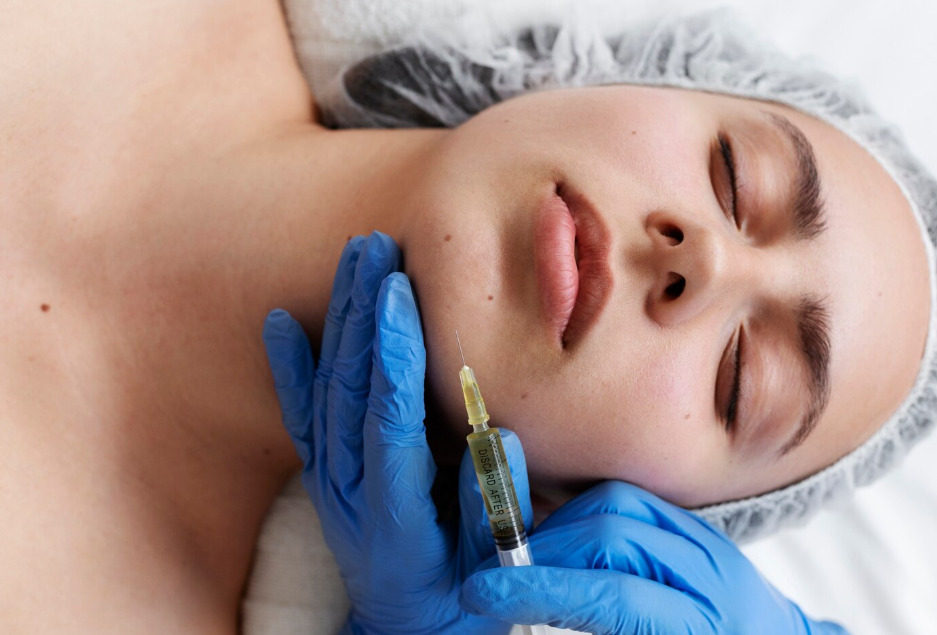
Treatment Overview
The Dermal Renewal Liquid Lift is a cutting-edge non-surgical anti-aging treatment in Korea, designed to rejuvenate skin structure, restore volume, and smooth fine lines by stimulating collagen and hydrating the skin. Unlike surgical facelifts, this procedure uses a strategic combination of dermal fillers, collagen-stimulating injectables (Sculptra, Juvelook), and skin boosters (Rejuran, Nucleofill) to repair skin tissue at a cellular level.
Korean dermatology clinics are global leaders in dermal renewal treatments, applying advanced multi-layer injection protocols to naturally lift sagging areas, refine skin texture, and restore youthful radiance—all without downtime or scarring.
Purpose & Benefits
- Dermal Renewal: Repairs and rejuvenates skin at a cellular level.
- Non-Surgical Lift: Provides facelift-like results without surgery.
- Collagen Stimulation: Encourages natural tissue regeneration.
- Volume Restoration: Plumps hollow cheeks, under-eyes, and temples.
- Wrinkle Reduction: Smooths fine lines, folds, and sagging skin.
- Hydration & Glow: Skin boosters restore radiance and elasticity.
- Long-Lasting Effects: Results last up to 12–24 months with proper care.
Ideal Candidates
The Dermal Renewal Liquid Lift is suitable for:
- Adults in their 30s–60s experiencing visible signs of aging.
- Patients with wrinkles, sagging, or facial volume loss.
- Individuals with dull or dehydrated skin in need of repair.
- Men and women seeking non-surgical rejuvenation.
- Younger patients who want preventive collagen renewal to slow aging.
Possible Risks & Complications
Safe when performed by Korean dermatologists, but mild side effects may include:
- Redness or Swelling: Temporary, subsides within 1–3 days.
- Bruising or Tenderness: May last up to a week.
- Small Bumps: Can appear at injection points, usually resolve in 24–48 hours.
- Very Rare Risks: Infection, uneven texture, or vascular complications (minimized by advanced Korean protocols).
Surgical Techniques Used
Though non-surgical, this liquid lift applies advanced Korean methods:
- Dermal Fillers (Hyaluronic Acid): Add volume and restore contours.
- Collagen-Stimulating Fillers (Sculptra, Juvelook): Trigger long-term collagen regeneration.
- Skin Boosters (Rejuran, Nucleofill): Repair tissue, hydrate, and improve texture.
- Multi-Layer Injection Mapping: Ensures natural lift and balanced dermal renewal.
- Combination Care: Often paired with Shurink HIFU, Thermage FLX, or thread lifting for enhanced results.
Recovery & Aftercare
- Immediately After: Mild swelling or redness may appear.
- 1–3 Days: Skin calms, hydration improvements visible.
- 2–4 Weeks: Wrinkle reduction and smoother texture become noticeable.
- 2–6 Months: Maximum renewal as collagen production increases.
- Downtime: Minimal—patients return to normal activities immediately.
Aftercare Tips:
- Avoid alcohol, saunas, and heavy exercise for 48 hours.
- Do not massage or press treated areas for at least 1 week.
- Use hydrating creams and collagen serums daily.
- Always apply SPF sunscreen to protect and prolong results.
Results & Longevity
- Immediate: Subtle plumping and skin hydration.
- Short-Term (2–4 Weeks): Wrinkles soften, skin tone brightens.
- Medium-Term (2–3 Months): Collagen stimulation strengthens elasticity.
- Long-Term: Results last 12–24 months, with yearly maintenance.
Treatment Process in Korea
Consultation & Skin Analysis – Dermatologist evaluates wrinkles, skin quality, and facial structure to design a renewal plan.
Preparation – Gentle cleansing and numbing cream applied.
Injection Procedure – Customized blend of fillers, boosters, and collagen stimulators injected using multi-layer Korean mapping techniques.
Soothing Care – Cooling masks, LED light therapy, or exosome boosters applied.
Follow-Up – Typically 2–3 sessions are recommended, with yearly maintenance.
Why Korea is a Top Destination –
- Pioneers in dermal renewal and regenerative injectables.
- Unique Korean multi-layer protocols for natural results.
- Synergy with K-Beauty methods (HIFU, Thermage, laser care).
- Affordable yet world-class expertise, trusted globally.
- Seoul’s global reputation as a hub for anti-aging and facial rejuvenation.
Cost Range
The cost of a Dermal Renewal Liquid Lift in Korea depends on clinic reputation, products used, and treatment scope:
- Small Area Renewal (Cheeks or Under-Eyes): USD 500 – 1,200
- Full-Face Dermal Renewal Liquid Lift: USD 1,800 – 3,800
- Advanced Renewal Package (Fillers + Collagen Stimulators + HIFU/Thermage): USD 3,500 – 5,500
- Luxury Renewal Lift (Fillers + Sculptra + Threads + Boosters): USD 5,500 – 8,000
Additional Costs in Korea:
- Consultation fee: USD 30 – 100
- Numbing cream: USD 20 – 50
- Aftercare skincare (hydrating serums, collagen creams, SPF): USD 50 – 200
💡 Most dermatologists recommend maintenance every 12–18 months to sustain results.
Popular Clinics
- Banobagi Dermatology (Seoul): Specialists in dermal renewal and anti-aging.
- Oracle Skin Clinic (Nationwide): Accessible programs for renewal injections.
- View Clinic (Seoul): Known for liquid lift + HIFU synergy treatments.
- ID Dermatology (Seoul): Experts in facial rejuvenation and natural contouring.
- Chaum Wellness Center (Seoul): Luxury holistic dermal renewal programs.


