
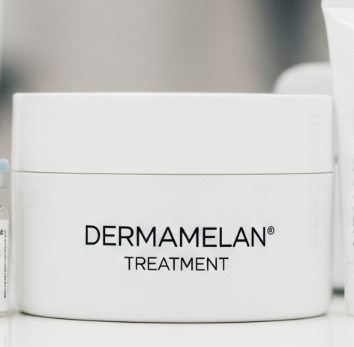
Treatment Overview
Dermamelan Treatment is a professional-grade depigmentation and skin-resurfacing therapy developed to treat moderate to severe hyperpigmentation, including melasma, sun damage, age spots, and post-inflammatory hyperpigmentation (PIH).
Often called the “medical-strength version of Cosmelan,” Dermamelan uses a higher concentration of active ingredients (such as azelaic acid, kojic acid, arbutin, phytic acid, niacinamide, and retinoids) that act directly on tyrosinase, the enzyme responsible for melanin production. This makes it one of the strongest pigmentation treatments available in dermatology.
In Korea, Dermamelan is used for patients with persistent or relapsing pigmentation that has not responded to lasers or lighter peels. Korean dermatologists typically combine Dermamelan with maintenance skincare, Vitamin C infusion, or gentle laser toning for sustained results.
Purpose & Benefits
- Intensive Pigmentation Reduction: Significantly lightens melasma, freckles, and dark spots.
- Blocks Melanin Production: Inhibits tyrosinase to prevent recurrence.
- Brightens & Evens Tone: Creates a clearer, more luminous complexion.
- Skin Renewal: Stimulates faster cell turnover, refining texture.
- Anti-Aging Benefits: Improves fine lines, elasticity, and overall skin quality.
- Long-Term Control: When combined with maintenance, results last years.
Ideal Candidates
Dermamelan Treatment in Korea for hyperpigmentation is recommended for:
- Patients with severe melasma or recurring pigmentation.
- Individuals with post-acne PIH or sun-induced pigmentation.
- Adults with age spots or widespread discoloration.
- Those who want a medical-grade solution for pigmentation resistant to other treatments.
Comparison with Other Treatments:
- Dermamelan: Best for severe, recurrent hyperpigmentation.
- Cosmelan Peel: Effective for moderate pigmentation and melasma.
- Standard Chemical Peels: Best for mild surface pigmentation.
- BB Laser / Laser Toning: Good for gradual pigmentation lightening.
- Aqua Peel / Vitamin C Infusion: Best for supportive brightening.
Possible Risks & Complications
Because of its potency, Dermamelan may involve more downtime than lighter peels. Possible side effects include:
- Redness & Peeling: Common during first 1–2 weeks.
- Dryness & Tightness: Managed with moisturizers and barrier creams.
- Mild Irritation: Tingling or itching is normal during renewal.
- Post-Inflammatory Hyperpigmentation (rare): Avoided by strict aftercare and sun protection.
Treatment Techniques Used
- Step 1 – In-Clinic Dermamelan Peel: A high-strength depigmentation mask applied for 8–12 hours before at-home removal.
- Step 2 – At-Home Maintenance: Daily application of Dermamelan cream, soothing serums, and sunscreen.
- Step 3 – Supportive Care: Hydration therapy, Vitamin C infusion, or PRP to calm and protect skin.
- Session Protocol: Typically one in-clinic peel, followed by 3–6 months of home treatment.
Recovery & Aftercare
- Immediately: Skin appears red and tight after mask removal.
- 1–2 Weeks: Peeling, dryness, and flaking are common.
- 3–4 Weeks: Pigmentation begins fading significantly.
- 1–3 Months: Skin tone continues to even out, results become more dramatic.
Aftercare Tips:
- Use Dermamelan home care cream exactly as prescribed.
- Apply barrier creams to reduce dryness and irritation.
- Avoid harsh exfoliants (retinol, AHAs, scrubs) during recovery.
- Apply SPF 50+ daily and reapply throughout the day.
- Follow up with dermatologist for ongoing skin monitoring.
Results & Longevity
- Short-Term (2–4 Weeks): Visible lightening of dark spots and melasma.
- Medium-Term (1–3 Months): Dramatic reduction in pigmentation, clearer skin.
- Long-Term (1–2 Years): With maintenance care, results are sustained and recurrence minimized.
Treatment Process in Korea
- Consultation & Skin Analysis – Dermatologist evaluates pigmentation severity and skin sensitivity.
- Preparation – Skin cleansing and barrier protection for sensitive zones.
- Dermamelan Mask Application – Thick depigmentation mask applied in clinic.
- At-Home Removal – Mask is left on for 8–12 hours, then washed off at home.
- Maintenance Protocol – Daily Dermamelan cream + hydration + SPF.
- Optional Add-Ons – Vitamin C infusion, Rejuran, or laser toning after the peeling phase.
- Follow-Up – Regular monitoring and maintenance sessions every few months.
Why Korea is a Top Destination
- Korean dermatologists are experts in melasma and pigmentation management.
- Clinics offer Dermamelan with Korean-style aftercare protocols for safer outcomes.
- Treatments often integrated with multi-step therapies (lasers + boosters + infusions).
- More cost-effective than Western clinics, with structured packages including aftercare kits.
- Seoul is recognized internationally for advanced pigmentation and skin rejuvenation care.
Cost Range (Detailed Breakdown)
Pricing for Dermamelan Treatment in Korea for hyperpigmentation:
- Single In-Clinic Peel + Home Care Kit: USD 1,000 – 1,800
- Dermamelan Peel + Maintenance Sessions (hydration/laser toning): USD 1,500 – 2,500
- Premium Pigmentation Package (Dermamelan + Vitamin C Infusion + Skin Boosters): USD 2,500 – 4,000
Additional Costs in Korea:
- Consultation: USD 20 – 50
- Add-ons (PRP, Rejuran, Exosomes, Vitamin C Infusion): USD 150 – 500
💡 Many patients call Dermamelan the “intensive reset for stubborn pigmentation”, as it works on both existing melanin and future pigment formation, offering long-lasting results.
Popular Clinics in Seoul
- Banobagi Dermatology – Dermamelan protocols for resistant melasma.
- Oracle Dermatology – Dermamelan + Vitamin C infusion for severe hyperpigmentation.
- Renewme Skin Clinic – Dermamelan + PRP/skin boosters for repair + brightening.
- View Plastic & Dermatology – Premium Dermamelan + laser pigmentation management.
- Chaum Anti-Aging Center – Luxury Dermamelan care with multi-step aftercare.


