
V-Beam Laser in Korea
Treatment Overview The V-Beam Laser (595 nm pulsed-dye laser, PDL) is one of the most widely used vascular lasers in Korean dermatology for acne inflammation,

Treatment Overview The V-Beam Laser (595 nm pulsed-dye laser, PDL) is one of the most widely used vascular lasers in Korean dermatology for acne inflammation,

Treatment Overview The UltraPulse CO₂ Laser is one of the most advanced ablative fractional lasers used in Korean dermatology clinics for severe acne scars and

Treatment Overview The SmoothBeam Laser (1450 nm diode laser) is a non-ablative laser treatment available in Korean dermatology clinics, designed specifically for active acne and
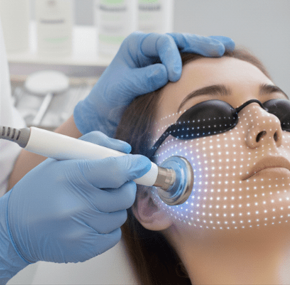
Treatment Overview ResurFX is a non-ablative fractional laser (1565 nm wavelength, part of the Lumenis M22 system) offered in Korean dermatology clinics for acne scars,
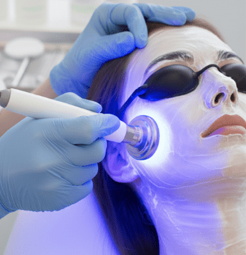
Treatment Overview Photodynamic Therapy (PDT) is an advanced acne treatment widely performed in Korean dermatology clinics. It combines a photosensitizing agent (commonly aminolevulinic acid –
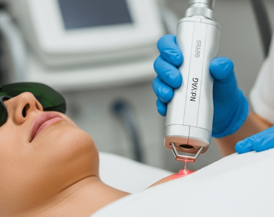
Treatment Overview The Long-Pulsed Nd:YAG Laser (1064 nm) is a widely used acne treatment in Korean dermatology clinics. Unlike short-pulse Q-switched lasers, the long-pulse Nd:YAG

Treatment Overview The KTP Laser (532 nm potassium-titanyl-phosphate laser) is a visible green light laser widely used in Korean dermatology clinics for acne-related redness, active

Treatment Overview IPL (Intense Pulsed Light), often called a photofacial, is a light-based treatment offered in Korean dermatology clinics to target inflammatory acne, redness, and
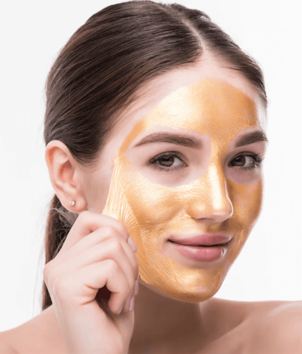
Treatment Overview Gold PTT (Photothermal Therapy) is a next-generation acne laser treatment increasingly offered in Korean dermatology clinics. It uses gold-coated nanoparticles that penetrate sebaceous

Treatment Overview Fractional CO₂ Laser is one of the most powerful and effective acne scar treatments offered in Korean dermatology clinics. It uses a carbon
Treatment Overview The V-Beam Laser (595 nm pulsed-dye laser, PDL) is one of the most widely used vascular lasers in Korean dermatology for acne inflammation,
Treatment Overview The UltraPulse CO₂ Laser is one of the most advanced ablative fractional lasers used in Korean dermatology clinics for severe acne scars and
Treatment Overview The SmoothBeam Laser (1450 nm diode laser) is a non-ablative laser treatment available in Korean dermatology clinics, designed specifically for active acne and
Treatment Overview ResurFX is a non-ablative fractional laser (1565 nm wavelength, part of the Lumenis M22 system) offered in Korean dermatology clinics for acne scars,
Treatment Overview Photodynamic Therapy (PDT) is an advanced acne treatment widely performed in Korean dermatology clinics. It combines a photosensitizing agent (commonly aminolevulinic acid –
Treatment Overview The Long-Pulsed Nd:YAG Laser (1064 nm) is a widely used acne treatment in Korean dermatology clinics. Unlike short-pulse Q-switched lasers, the long-pulse Nd:YAG
Treatment Overview The KTP Laser (532 nm potassium-titanyl-phosphate laser) is a visible green light laser widely used in Korean dermatology clinics for acne-related redness, active
Treatment Overview IPL (Intense Pulsed Light), often called a photofacial, is a light-based treatment offered in Korean dermatology clinics to target inflammatory acne, redness, and
Treatment Overview Gold PTT (Photothermal Therapy) is a next-generation acne laser treatment increasingly offered in Korean dermatology clinics. It uses gold-coated nanoparticles that penetrate sebaceous
Treatment Overview Fractional CO₂ Laser is one of the most powerful and effective acne scar treatments offered in Korean dermatology clinics. It uses a carbon