
PicoPlus Laser in Korea
Treatment Overview The PicoPlus Laser (by Lutronic, Korea) is a next-generation picosecond laser system offering multiple wavelengths (1064 nm, 532 nm, 595 nm, and 660

Treatment Overview The PicoPlus Laser (by Lutronic, Korea) is a next-generation picosecond laser system offering multiple wavelengths (1064 nm, 532 nm, 595 nm, and 660

Treatment Overview The PicoCare Laser (by Wontech, Korea) is an advanced picosecond laser system that delivers ultra-short pulses (trillionths of a second) to shatter pigment

Are you struggling with stubborn pigmentation, acne scars, or sun damage that won’t fade with creams or facials? Or perhaps you’re seeking a non-invasive way

Uneven skin tone, dark spots, and pigmentation issues such as melasma or sun damage can affect your confidence and overall appearance. Traditional treatments like chemical
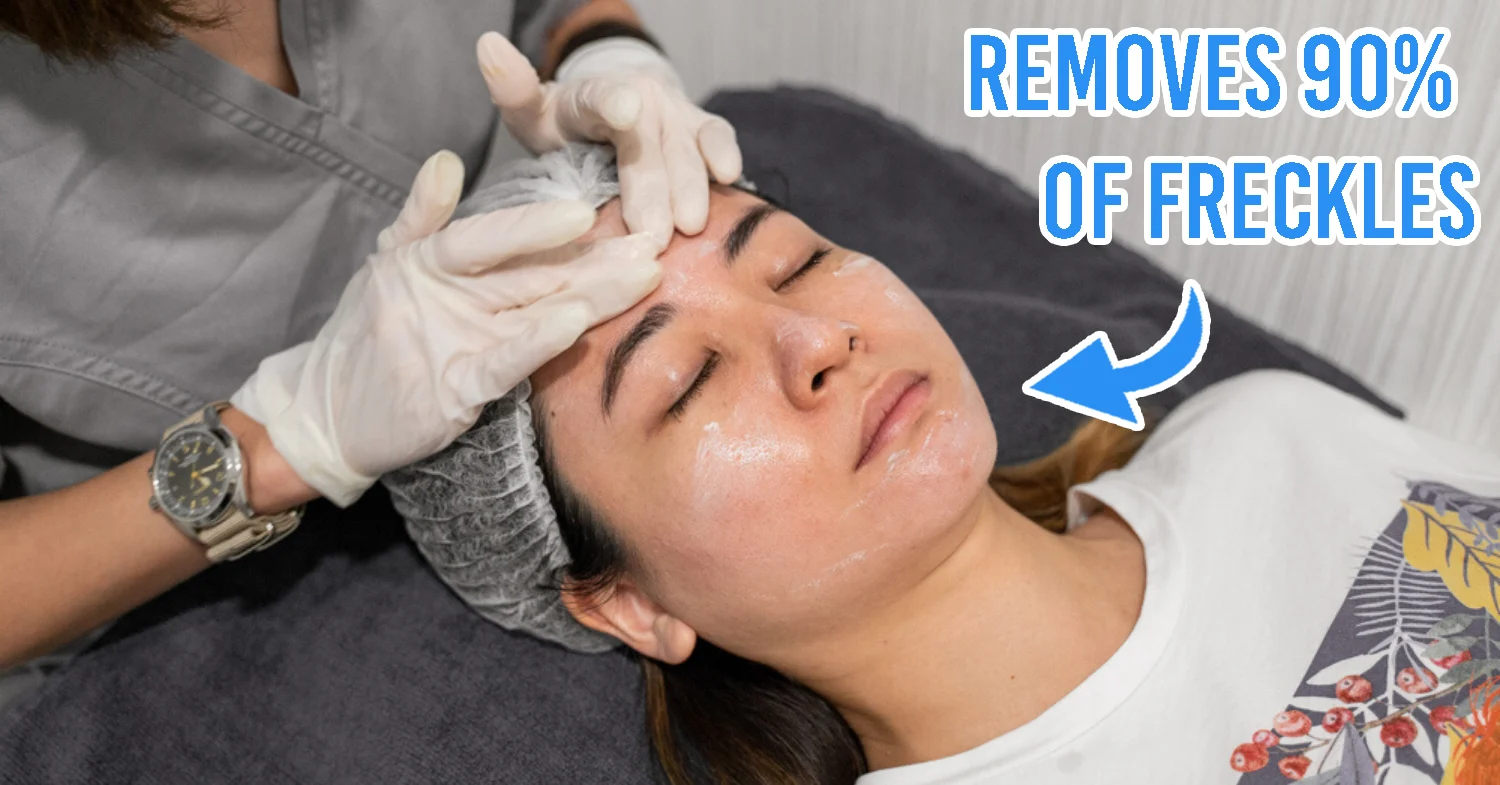
South Korea isn’t just a hotspot for K-beauty trends—it’s a world leader in advanced dermatological treatments. Among them, Pico Laser pigmentation treatment has become one
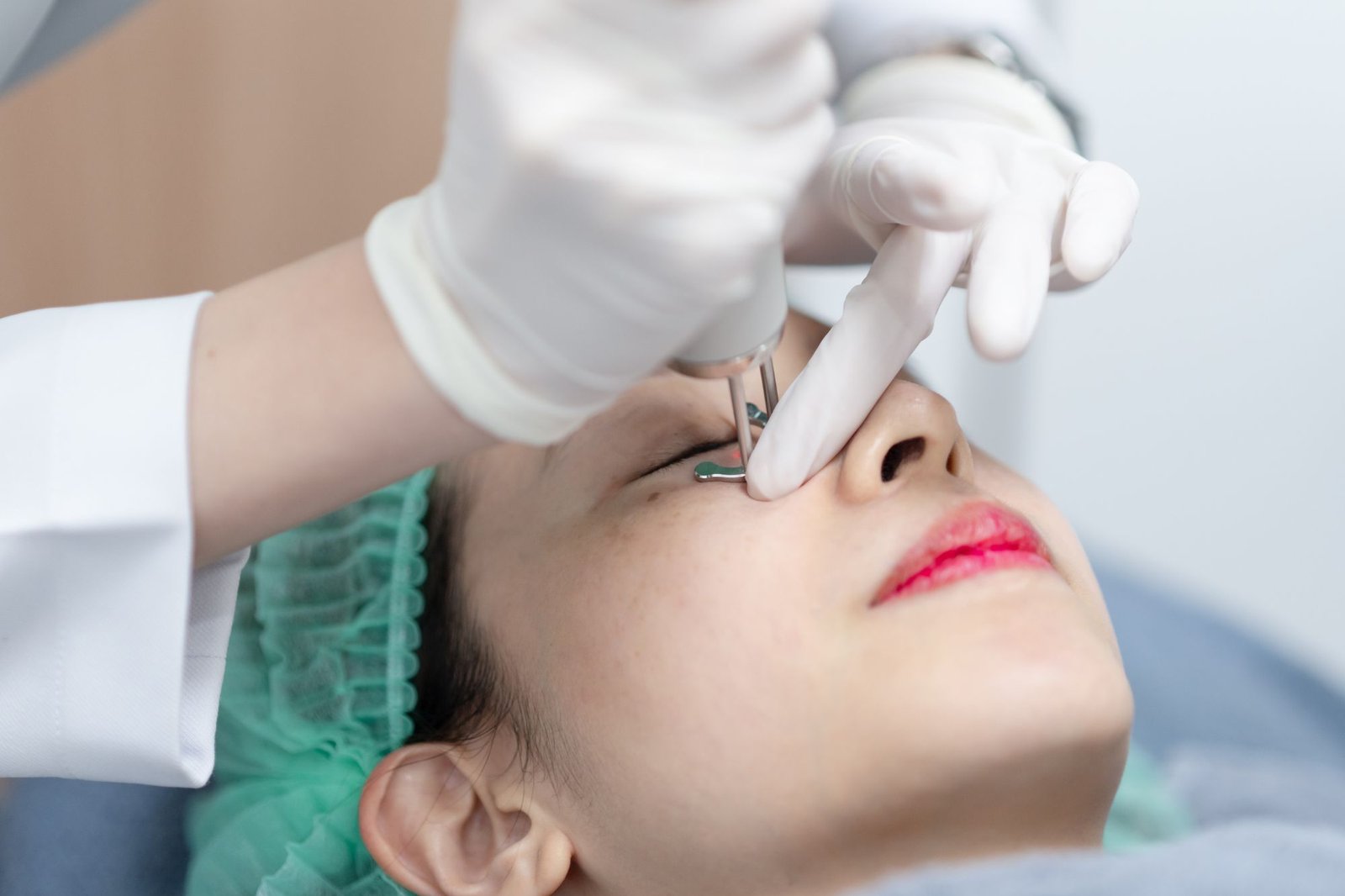
South Korea has become a global leader in cosmetic dermatology, attracting medical tourists from around the world who seek cutting-edge skin treatments. One of the

Pico Laser is one of the most advanced and versatile technologies for treating pigmentation issues like melasma, sun spots, freckles, and post-inflammatory hyperpigmentation (PIH). While

South Korea is globally recognized for its mastery in advanced skin treatments, and Pico Laser is a cornerstone procedure offered at most dermatology clinics—particularly for
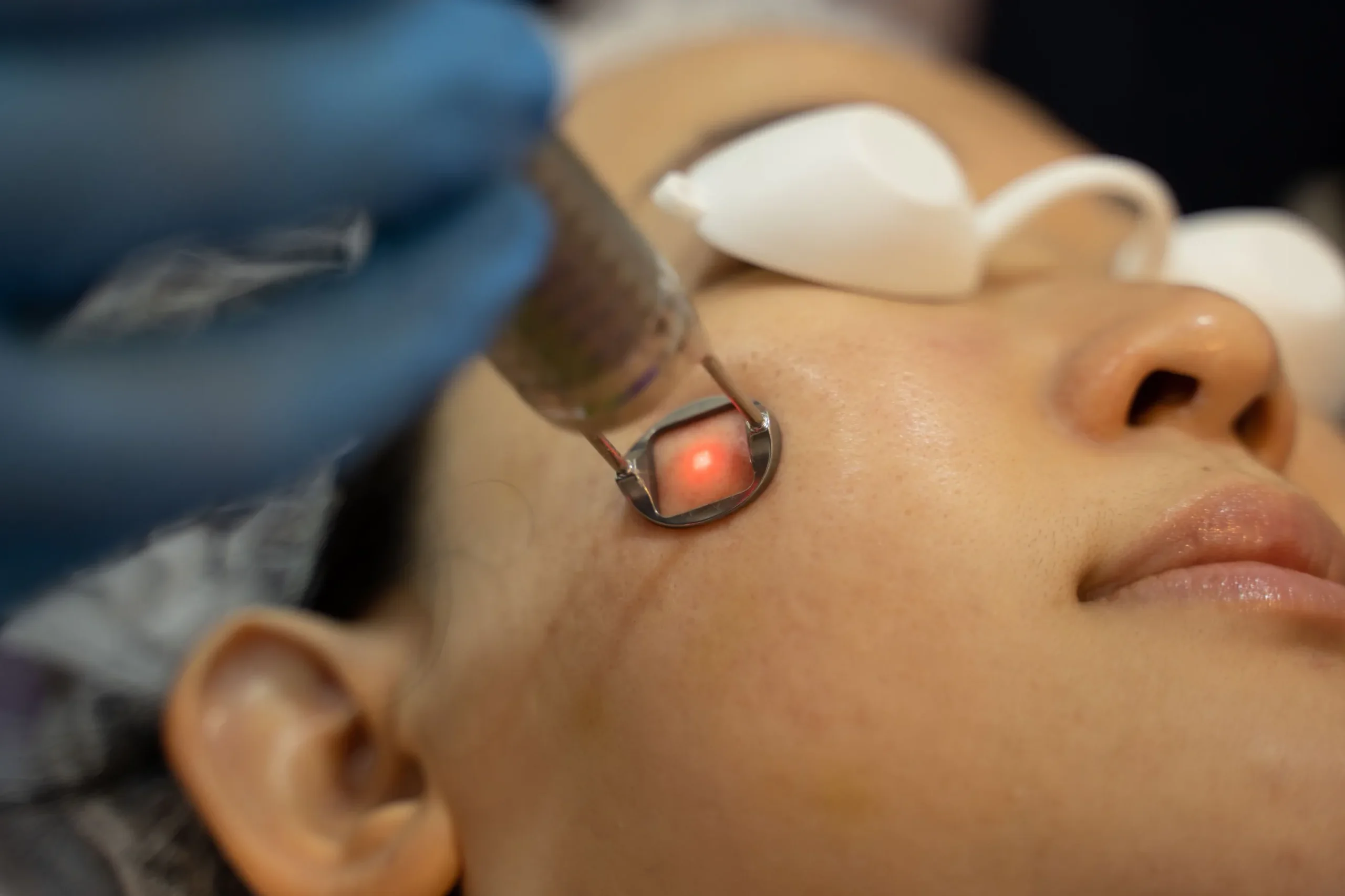
South Korea is a global hotspot for advanced skincare and aesthetic laser treatments, with Pico Laser pigmentation removal ranking among the most sought-after procedures by
Melasma and other types of hyperpigmentation—such as post-inflammatory hyperpigmentation (PIH), sun spots, and freckles—are among the most challenging skin conditions to treat. Many patients turn
Treatment Overview The PicoPlus Laser (by Lutronic, Korea) is a next-generation picosecond laser system offering multiple wavelengths (1064 nm, 532 nm, 595 nm, and 660
Treatment Overview The PicoCare Laser (by Wontech, Korea) is an advanced picosecond laser system that delivers ultra-short pulses (trillionths of a second) to shatter pigment

Are you struggling with stubborn pigmentation, acne scars, or sun damage that won’t fade with creams or facials? Or perhaps you’re seeking a non-invasive way
Uneven skin tone, dark spots, and pigmentation issues such as melasma or sun damage can affect your confidence and overall appearance. Traditional treatments like chemical
South Korea isn’t just a hotspot for K-beauty trends—it’s a world leader in advanced dermatological treatments. Among them, Pico Laser pigmentation treatment has become one
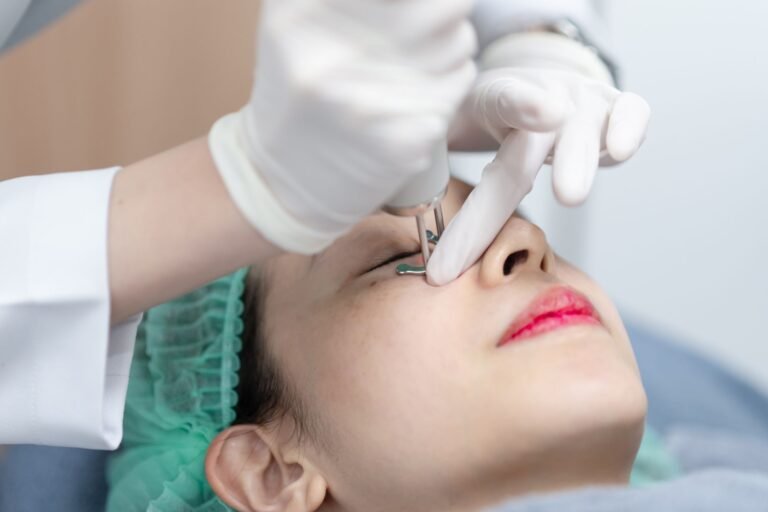
South Korea has become a global leader in cosmetic dermatology, attracting medical tourists from around the world who seek cutting-edge skin treatments. One of the

Pico Laser is one of the most advanced and versatile technologies for treating pigmentation issues like melasma, sun spots, freckles, and post-inflammatory hyperpigmentation (PIH). While

South Korea is globally recognized for its mastery in advanced skin treatments, and Pico Laser is a cornerstone procedure offered at most dermatology clinics—particularly for
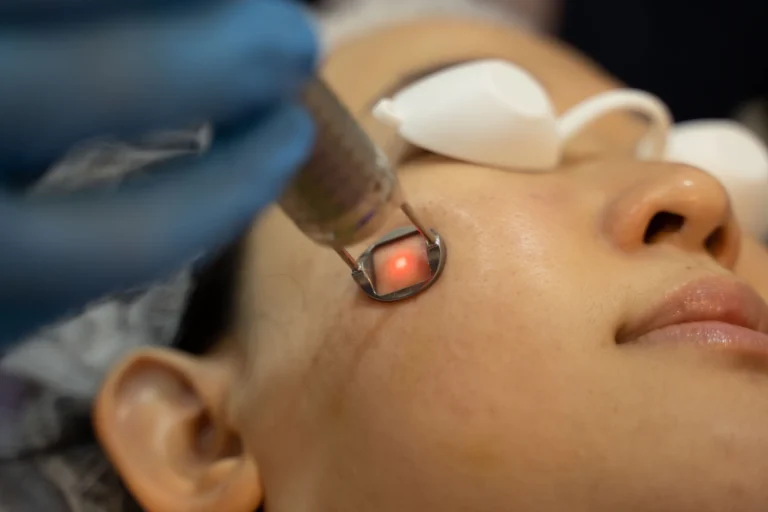
South Korea is a global hotspot for advanced skincare and aesthetic laser treatments, with Pico Laser pigmentation removal ranking among the most sought-after procedures by
Melasma and other types of hyperpigmentation—such as post-inflammatory hyperpigmentation (PIH), sun spots, and freckles—are among the most challenging skin conditions to treat. Many patients turn