
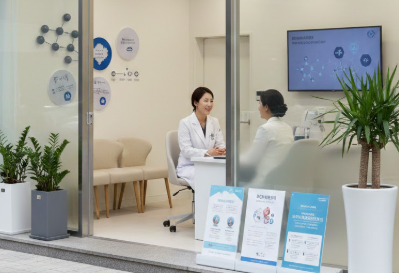
Treatment Overview
DHEA (Dehydroepiandrosterone) hormone therapy involves supplementing or regulating DHEA, a natural hormone produced by the adrenal glands. DHEA plays a key role in hormone balance, energy levels, metabolism, immune function, and overall vitality. Therapy is often used to address age-related hormone decline, adrenal insufficiency, fatigue, or low libido.
Purpose & Benefits
The main purposes of DHEA therapy are:
- Restoring hormone balance in individuals with low DHEA levels
- Supporting anti-aging and vitality optimization
- Enhancing energy, mood, and sexual health
- Assisting in adrenal function and metabolic regulation
Benefits include:
- Improved energy, mental clarity, and mood stability
- Enhanced libido and sexual performance
- Support for bone density and muscle maintenance
- Potential anti-aging effects and overall wellness improvement
Ideal Candidates
DHEA hormone therapy is recommended for:
- Adults experiencing age-related decline in hormone levels
- Patients with adrenal insufficiency or fatigue
- Individuals with low libido or hormonal imbalances
- Those seeking support for anti-aging, wellness, or metabolic health
- Patients undergoing monitoring of hormone replacement therapy
Possible Risks & Complications
DHEA therapy is generally safe under medical supervision, but potential risks may include:
- Acne or oily skin
- Hair loss or facial hair growth in women
- Hormonal imbalance if over-supplemented
- Rare effects on blood pressure, cholesterol, or liver function
Regular monitoring of hormone levels is essential to prevent complications.
Techniques & Technology Used
Korean clinics utilize advanced diagnostic and therapy techniques for DHEA:
- Blood and saliva tests: Assess baseline DHEA and related hormone levels
- Customized DHEA supplementation: Oral or sublingual formulations tailored to individual needs
- Monitoring protocols: Regular blood tests to ensure safe and effective dosing
These approaches allow clinicians to optimize therapy and minimize side effects.
Treatment Process in Korea
The therapy process typically involves:
- Initial Consultation: Review of medical history, symptoms, and lifestyle
- Hormone Testing: Blood or saliva tests to determine DHEA deficiency
- Customized Therapy Plan: Prescribed dosage and administration method
- Follow-Up Monitoring: Regular checkups to track hormone levels and therapy response
Recovery & After-Care
There is no recovery period required, as DHEA therapy is non-invasive. After-care recommendations include:
- Following prescribed dosage and timing
- Monitoring for minor side effects such as skin changes
- Reporting any unusual symptoms to the physician immediately
Results & Longevity
Therapy results typically become noticeable over several weeks:
- Increased energy, mood, and vitality
- Improved sexual health and libido
- Support for muscle mass and metabolic health
Ongoing monitoring ensures benefits are maintained safely, with dosage adjustments as needed.
Why Korea Is a Top Destination
Korea is an ideal destination for DHEA hormone therapy due to:
- Access to advanced hormone testing and supplementation technologies
- Highly experienced endocrinologists and hormone specialists
- Affordable and competitive pricing compared to Western countries
- English-friendly clinics and streamlined services for international patients
- Comprehensive monitoring and wellness programs integrated with therapy
Cost Range
DHEA therapy in Korea typically costs $150 to $400 USD per month, depending on dosage, clinic, and monitoring requirements. Package plans including follow-up testing may also be available.
Popular Clinics in Korea
Some of the most reputable clinics for DHEA hormone therapy in Korea include:
- Banobagi Medical Group – Personalized hormone therapy and monitoring
- Grand Seoul Hospital – Advanced endocrinology and wellness programs
- JK Plastic Surgery & Medical Clinic – Integrated hormone therapy with anti-aging services
- ID Hospital – International patient-friendly hormone therapy programs


