
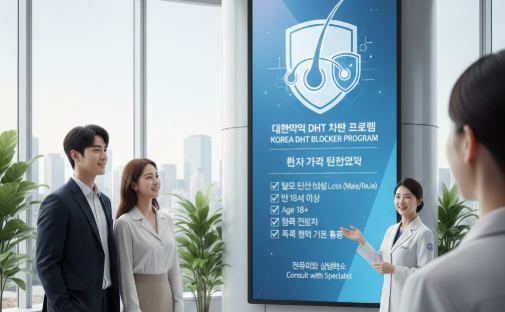
Treatment Overview
DHT blocker programs are specialized hair loss treatments designed to inhibit dihydrotestosterone (DHT), a key hormone contributing to hair thinning and androgenetic alopecia. In Korea, these programs are customized for each patient after a thorough assessment of scalp health, hair loss severity, and medical history. Proper patient selection ensures effective and safe long-term outcomes.
Purpose & Benefits
The main purpose of assessing patient eligibility is to determine who will benefit most from DHT blocker therapy. Benefits of selecting eligible patients include:
- Higher success rates in slowing or preventing hair loss.
- Optimized hair regrowth in thinning areas.
- Reduced risk of side effects through tailored treatment plans.
- Improved overall scalp health and hair density.
Ideal Candidates
Patients eligible for DHT blocker programs in Korea typically include:
- Adults with early to moderate androgenetic alopecia (male or female pattern baldness).
- Individuals with confirmed elevated DHT levels contributing to hair thinning.
- Patients without contraindications such as liver disorders, hormonal imbalances, or allergy to DHT-blocking medications.
- Those seeking non-surgical, long-term hair restoration options.
Specialists in Korea emphasize a personalized evaluation to determine suitability, ensuring optimal outcomes.
Possible Risks & Complications
Even for eligible patients, DHT blockers carry some potential risks:
- Mild side effects including headache, dizziness, or digestive discomfort.
- Hormonal changes in rare cases with oral DHT inhibitors.
- Temporary hair shedding during initial months of therapy.
- Allergic reactions to topical solutions in uncommon scenarios.
Regular follow-ups in Korean clinics help manage side effects and adjust the treatment plan if necessary.
Techniques & Technology Used
Korean clinics use advanced techniques to maximize effectiveness for eligible patients:
- Oral DHT inhibitors like finasteride or dutasteride.
- Topical DHT blockers with minoxidil or other active compounds.
- PRP therapy and microneedling to stimulate scalp regeneration.
- Laser therapy (LLLT) to enhance blood circulation in the scalp.
- AI-based scalp analysis to personalize and monitor patient progress.
Eligibility assessment often includes scalp imaging, hair density analysis, and medical evaluation to determine the best combination of therapies.
Treatment Process in Korea
The treatment process for eligible patients usually includes:
- Initial consultation and evaluation – medical history, DHT level testing, and hair analysis.
- Customized DHT blocker regimen – oral, topical, or combination therapy based on patient needs.
- Structured follow-up schedule – to monitor effectiveness and adjust treatment.
- Supplementary therapies – PRP, laser, or microneedling integrated as needed.
This systematic approach ensures that only suitable candidates undergo the program, maximizing results.
Recovery & After-Care
Recovery from DHT blocker programs is minimal, but after-care is essential:
- Strict adherence to prescribed oral and topical treatments.
- Proper scalp hygiene and gentle hair care.
- Avoiding harsh chemicals, heat styling, or trauma to the scalp.
- Regular follow-up consultations to track progress and adjust therapy.
Some patients may experience initial shedding, which is a normal part of the hair cycle before regrowth.
Results & Longevity
Eligible patients in Korea often see:
- Slowed or halted hair loss.
- Increased hair density and thickness.
- Healthier scalp and improved follicle function.
- Long-term maintenance possible with ongoing monitoring and treatment.
Selecting the right candidates is critical to achieving these long-lasting results.
Why Korea Is a Top Destination
Korea is a leading destination for DHT blocker programs because:
- Clinics use advanced techniques and technology for precise treatment.
- Highly trained dermatologists provide personalized care.
- Competitive pricing with high-quality standards.
- Comprehensive support for international patients, including translation and medical tourism services.
- Integration of DHT blockers with complementary therapies like PRP, microneedling, and laser therapy.
This ensures patients receive safe, effective, and tailored treatment plans.
Cost Range
Costs for DHT blocker programs vary based on the patient’s eligibility and treatment plan:
- Basic DHT blocker programs: $600–$1,200 per year.
- Combination therapy programs (PRP, laser, microneedling): $1,500–$3,000 per year.
Many Korean clinics provide packages that include consultations, medications, and follow-ups, especially for international patients.
Popular Clinics in Korea
Leading clinics for eligible patients include:
- Bana Hair Clinic, Seoul – Specializes in personalized DHT blocker programs.
- Regen Hair Clinic, Gangnam – Combines DHT blockers with PRP and laser therapy.
- MediHair Clinic, Seoul – Offers comprehensive hair restoration for eligible patients.
- Grand Plastic & Hair Clinic, Seoul – Known for combination therapies and long-term monitoring.
These clinics provide expert guidance, transparent pricing, and support for medical tourists seeking effective hair restoration.


