
Treatment Overview
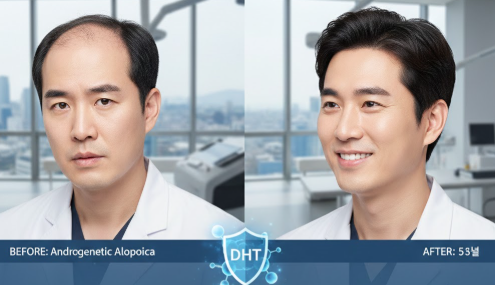
DHT blocker programs in Korea are designed to combat hair loss by inhibiting dihydrotestosterone (DHT), which contributes to androgenetic alopecia. Recovery and aftercare are essential components of the program to ensure optimal results. Korean clinics combine oral and topical DHT inhibitors with complementary therapies such as PRP injections, microneedling, and laser therapy to enhance hair follicle health.
Purpose & Benefits
The recovery and aftercare phase focuses on:
- Ensuring the safety and effectiveness of DHT blocker therapy.
- Maximizing hair regrowth and density.
- Monitoring scalp health and preventing potential complications.
- Providing guidance on lifestyle and hair care to maintain long-term results.
Proper aftercare improves the overall success rate of the treatment and enhances patient satisfaction.
Ideal Candidates
Recovery and aftercare guidance is suitable for:
- Patients undergoing DHT blocker programs for early to moderate hair loss.
- Individuals combining DHT blockers with PRP, microneedling, or laser therapy.
- Patients who want to maintain results after achieving visible hair regrowth.
- Those committed to following clinic recommendations and monitoring schedules.
Possible Risks & Complications
During recovery, patients may experience:
- Mild scalp irritation or redness from topical applications.
- Temporary hair shedding in the first few months of therapy.
- Rare side effects from oral DHT blockers, such as dizziness or digestive discomfort.
- Allergic reactions to topical or injectable treatments in uncommon cases.
Korean clinics closely monitor patients to manage any side effects and adjust treatments accordingly.
Techniques & Technology Used
Recovery and aftercare may involve:
- Follow-up consultations to evaluate hair growth and scalp health.
- Scalp imaging and hair density analysis to monitor progress.
- Adjunct therapies such as PRP, microneedling, or laser treatments to support follicle recovery.
- Topical DHT blockers and minoxidil to maintain hair growth.
- Patient education tools for lifestyle, diet, and hair care best practices.
These techniques ensure that patients achieve the maximum benefits from their DHT blocker program.
Treatment Process in Korea
The recovery and aftercare process typically includes:
- Initial Follow-Up – Conducted a few weeks after starting DHT blockers to assess side effects and early hair response.
- Regular Monitoring – Monthly or quarterly scalp evaluations to track progress and adjust treatment.
- Complementary Therapy Integration – PRP, microneedling, or laser therapy may be scheduled during the maintenance phase.
- Long-Term Maintenance – Continuous use of DHT blockers and adherence to clinic guidelines for ongoing results.
Recovery & After-Care Guidelines
- Take oral and topical medications exactly as prescribed.
- Avoid harsh shampoos, chemical treatments, and excessive heat styling.
- Maintain a healthy diet rich in vitamins and minerals that support hair growth.
- Limit stress and follow recommended exercise routines to improve circulation.
- Schedule all follow-up appointments and scalp check-ups as advised by the clinic.
Results & Longevity
- Recovery and proper aftercare ensure that hair regrowth is maximized and maintained over time.
- Patients typically notice improved hair density within 3–6 months.
- Long-term maintenance therapy is crucial for sustaining results and preventing future hair loss.
- Adherence to aftercare protocols can extend the longevity of DHT blocker program outcomes for several years.
Why Korea Is a Top Destination
- Korean clinics provide expert guidance on recovery and aftercare for hair loss treatments.
- Clinics integrate technology and therapy combinations to enhance outcomes.
- Highly trained dermatologists offer personalized monitoring and follow-up care.
- Competitive pricing and international patient support make Korea ideal for medical tourists.
- Access to advanced therapies like PRP, microneedling, and laser enhances recovery and hair growth.
Cost Range
- Follow-up and aftercare sessions: $100–$300 per visit depending on clinic and treatment.
- Maintenance medications (oral and topical DHT blockers): $600–$1,200 per year.
- Combined maintenance programs with PRP or laser therapy: $1,500–$3,000 per year.
Popular Clinics in Korea
- Delight Dermatology Clinic, Seoul – Offers full recovery and aftercare programs for DHT blocker patients.
- YAAN Stem Cell Clinic, Gangnam – Focuses on post-treatment monitoring and regenerative therapies.
- NEWHAiR Hair Center, Seoul – Personalized aftercare and maintenance plans.
- EGG Skin Clinic, Gangnam – Provides integrated follow-up and supportive treatments.
- MediHair Clinic, Seoul – Specialized in long-term hair restoration monitoring and patient education.


