
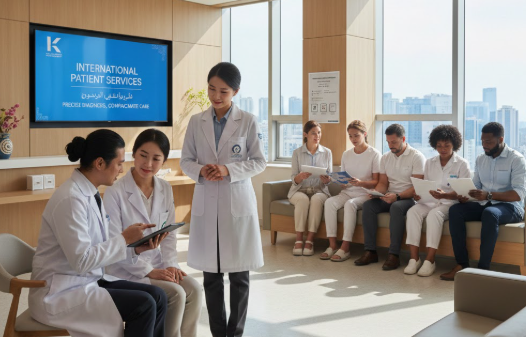
Treatment Overview
Accurate diagnosis is the first and most crucial step in managing urological and bladder conditions, including Interstitial Cystitis (IC), overactive bladder (OAB), chronic bladder pain, and urinary tract disorders.
Korea is a leading destination for international patients seeking high-quality diagnostic services, offering advanced technology, experienced urologists, and comprehensive evaluation programs tailored to individual needs. Accurate diagnosis ensures effective treatment planning, symptom relief, and long-term health management.
Purpose & Benefits
The purpose of diagnostic services for international patients in Korea is to:
- Precisely identify the cause of urinary or bladder-related symptoms.
- Differentiate between conditions such as IC, OAB, urinary tract infection, or bladder stones.
- Assess the severity and impact of symptoms on daily life.
- Guide personalized treatment plans and minimize unnecessary interventions.
- Provide patients with clarity, reassurance, and expert medical advice.
Benefits include early detection of conditions, faster initiation of treatment, reduced complications, and improved overall outcomes.
Ideal Candidates
Diagnostic programs in Korea are suitable for:
- International patients experiencing chronic bladder pain, urinary urgency, frequency, incontinence, or nocturia.
- Individuals with previous inconclusive diagnoses or unsuccessful treatments.
- Patients seeking high-precision evaluation and expert consultation in a foreign country.
- Men, women, and pediatric patients with suspected urinary tract or bladder disorders.
- Patients planning long-term management or complex treatment programs in Korea.
These programs are tailored for those who require accurate, multi-step evaluations and specialized diagnostic expertise.
Possible Risks & Complications
Diagnostic procedures are generally safe, but potential considerations include:
- Cystoscopy: Temporary bladder discomfort, urgency, or minor bleeding.
- Urodynamic Studies: Mild bladder irritation or urinary urgency during testing.
- Imaging Tests (Ultrasound, MRI, CT): Rare allergic reaction to contrast agents.
- Urinalysis and Culture: Minimal risk; discomfort may occur during sample collection.
Korean hospitals ensure patient safety through expert monitoring, sterile procedures, and proper guidance throughout all diagnostic steps.
Techniques & Technology Used
Korea offers state-of-the-art technology for comprehensive urological and bladder diagnostics:
- Urinalysis and Urine Culture: Detect infections, hematuria, or abnormal cells.
- Cystoscopy: Visual examination of the bladder lining to identify inflammation, lesions, or structural abnormalities.
- Urodynamic Studies: Measure bladder capacity, pressure, and function to evaluate OAB or IC.
- Imaging Studies: Ultrasound, MRI, or CT scans to detect stones, tumors, or anatomical issues.
- Bladder Diary & Symptom Assessment: Patients track frequency, urgency, fluid intake, and pain for tailored diagnosis.
- Specialized Laboratory Tests: Identify markers of infection, inflammation, or other urinary tract conditions.
- Telemedicine Assessment: Pre-arrival consultation for international patients to plan diagnostic procedures.
This combination ensures precision, early detection, and accurate differentiation between conditions.
Treatment Process in Korea
The diagnostic process for international patients typically includes:
- Initial Teleconsultation: Review of medical history, symptoms, and prior test results.
- On-Site Consultation: In-person evaluation by urologists and specialists.
- Diagnostic Testing: Urinalysis, cystoscopy, imaging, and urodynamic studies as indicated.
- Symptom Assessment & Bladder Diary Review: Helps identify patterns and triggers.
- Diagnosis Confirmation: Determination of condition type, severity, and potential complications.
- Personalized Treatment Planning: Guidance on non-surgical, minimally invasive, or surgical treatment options.
- Follow-Up: Recommendations for continued monitoring and coordination with international healthcare providers if needed.
This structured process ensures accurate diagnosis and streamlined care for international patients.
Recovery & After-Care
Recovery from diagnostic procedures is generally quick:
- Mild discomfort or urinary urgency may occur after cystoscopy or urodynamic tests.
- Pain or irritation is typically temporary and manageable with post-procedure guidance.
- Patients receive recommendations for hydration, bladder habits, and follow-up care.
- Telemedicine follow-ups ensure continuous monitoring for international patients, preventing complications and confirming symptom improvement.
Proper after-care ensures minimal disruption to daily life and optimal preparation for subsequent treatment.
Results & Longevity
Accurate diagnosis in Korea provides:
- Precise identification of the condition and its severity.
- Differentiation between IC, OAB, urinary infections, or structural bladder issues.
- A foundation for effective, personalized treatment plans.
- Improved symptom management and quality of life.
- Reduced risk of complications from delayed or incorrect treatment.
Early and precise diagnosis contributes to long-term relief, improved bladder health, and optimized treatment outcomes.
Why Korea Is a Top Destination
Korea is a preferred destination for international patients seeking urological diagnostics because:
- Specialized Urology Centers: Expert teams with extensive experience in IC, OAB, and chronic bladder pain.
- Advanced Technology: High-quality cystoscopy, urodynamics, and imaging facilities.
- Comprehensive International Support: English-speaking staff, teleconsultations, airport assistance, and medical tourism coordination.
- Multidisciplinary Care: Collaboration among urologists, physiotherapists, pain specialists, and dietitians.
- Efficient & Patient-Centered Programs: Short waiting times, personalized diagnostic plans, and clear communication.
International patients benefit from efficient, reliable, and holistic diagnostic services to guide treatment decisions.
Cost Range
The cost of diagnostic services for international patients in Korea varies by procedure:
- Initial consultation: $100 – $250
- Urinalysis and urine culture: $30 – $80
- Cystoscopy: $300 – $600
- Urodynamic studies: $200 – $500
- Imaging studies (Ultrasound/MRI/CT): $150 – $500
- Follow-up consultation: $50 – $150
- Full diagnostic packages (including teleconsultation and follow-up): $500 – $2,000
Transparent pricing and package options make it convenient for international patients to plan their care.
Popular Clinics in Korea
Top hospitals and clinics providing urological diagnostic services for international patients include:
- Samsung Medical Center, Seoul
- Asan Medical Center, Seoul
- Severance Hospital (Yonsei University), Seoul
- Seoul National University Hospital, Seoul
- CHA Bundang Medical Center, Seongnam
These institutions offer expert evaluation, state-of-the-art diagnostics, and comprehensive support for international patients.


