
Treatment Overview
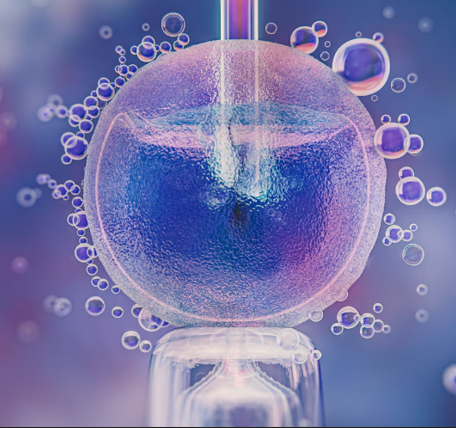
A Donor Sperm IVF program in Korea is a comprehensive assisted reproduction pathway wherein donor sperm is used to fertilize a recipient’s or donor’s eggs via IVF (often with ICSI). The program encompasses donor sperm procurement, rigorous laboratory fertilization, embryo culture, genetic screening if chosen, and embryo transfer. Korean fertility centers integrate state-of-the-art embryology labs, AI-driven embryo evaluation, quality assurance systems, and international patient support to deliver high success and safety standards.
Purpose & Benefits
The purpose of a donor sperm IVF program is to facilitate pregnancy for couples or individuals who cannot use the male partner’s sperm due to absence, genetic defects, or poor sperm quality.
Benefits include:
- Access to rigorously screened, healthy donor sperm without the need for male partner sperm retrieval
- Higher fertilization and embryo development success via direct injection (ICSI) when required
- Ability to choose donors based on genetic, phenotypic, or health criteria
- Integration with genetic testing of embryos (PGT) to enhance safety and implantation potential
- Flexibility in scheduling because donor sperm is already banked
- Advanced laboratory techniques and strict sample handling ensure high embryo quality and consistency
Ideal Candidates
A Donor Sperm IVF program is suited for:
- Couples where the male partner has azoospermia, severe spermatogenic defects, or carries undesirable genetic traits
- Single women or same-sex female couples seeking biological parenthood
- Patients who have experienced multiple IVF failures linked to sperm quality issues
- Individuals wanting to avoid surgical sperm retrieval or those lacking viable sperm sources
- Cases where donor sperm is preferred for genetic health, screening, or anonymity reasons
Possible Risks & Complications
While donor sperm IVF is generally safe, it shares typical IVF risks, along with donor-specific considerations:
- Ovarian stimulation side effects like OHSS (for women undergoing stimulation)
- Egg retrieval complications such as bleeding, discomfort, or infection
- Embryo transfer risks such as spotting or uterine irritation
- Multiple pregnancy risk if multiple embryos are transferred
- Slight risk of embryo damage during micromanipulation or fertilization
- Emotional and psychological stress related to the use of donor sperm or repeated cycles
These risks are minimized in Korean clinics through meticulous protocols, high safety standards, and expert oversight.
Surgical & Laboratory Techniques Used
The core techniques in a donor sperm IVF program include:
- ICSI (Intracytoplasmic Sperm Injection): Often used even with donor sperm to maximize fertilization rates
- High-precision micromanipulation systems under cleanroom conditions
- Time-lapse embryo culture and imaging systems to monitor embryo development continuously
- AI-assisted embryo scoring and selection algorithms
- PGT-A / PGT-M genetic screening of embryos, if desired
- Vitrification for freezing embryos or oocytes with high survival rates
- Robotic or automated lab systems for consistent sample handling and tracking
- Stringent traceability, chain-of-custody, and sample management systems to prevent contamination or mix-ups
Korean centers often lead in lab automation, microfluidics, and AI integration in reproductive medicine.
Recovery & Aftercare
Recovery and aftercare in donor sperm IVF are much like conventional IVF:
- Mild cramping and bloating are common after egg retrieval, typically subsiding in a day or two
- After embryo transfer, short rest is advised, then gradual return to normal activities
- Hormonal support (progesterone, estrogen) is maintained until pregnancy is confirmed
- Blood tests (β-hCG) around two weeks post-transfer
- Ultrasounds to monitor implantation and early fetal development
- Nutritional advice, lifestyle recommendations, stress management, and counseling
Korean fertility clinics emphasize integrated support—medical, nutritional, psychological—for optimal outcomes.
Results & Longevity
- Fertilization success rates in donor sperm IVF are very high due to controlled sperm quality and ICSI techniques
- Embryo development and implantation rates approach the levels seen in conventional IVF with good gametes
- Surplus embryos can be cryopreserved and used in future cycles, expanding long-term fertility potential
- Pregnancy outcomes and live birth rates are robust when embryo quality, uterine receptivity, and supportive care align
- Clinical success is sustainable over successive cycles, especially with Korean clinics’ consistency and quality control
Treatment Process In Korea
In Korean donor sperm IVF programs, the process is highly orchestrated, patient-centered, and technologically optimized:
- Consultation & Assessment: Recipient’s fertility evaluation (hormones, uterine health, ovarian reserve)
- Donor Sperm Selection & Screening: Choice from certified donor banks under strict genetic, medical, and ethical criteria
- Cycle Planning & Synchronization: Aligning recipient’s preparatory cycle with donor sperm availability
- Ovarian Stimulation or Scheduling: If needed, stimulate to produce multiple eggs, or utilize frozen donor eggs
- Egg Retrieval: Under sedation, transvaginal aspiration of mature oocytes
- Fertilization via ICSI: Donor sperm is injected into each mature egg
- Embryo Culture & Monitoring: To blastocyst stage under time-lapse and AI systems
- Optional Genetic Testing: Embryo biopsy and PGT for chromosomal or disease screening
- Embryo Transfer: Selected embryo(s) transferred into prepared uterine lining
- Cryopreservation: Freezing of surplus embryos for future use
- Post-Transfer Monitoring: Hormone support, blood tests, ultrasound checks until pregnancy confirmed
Korean fertility centers stand out due to their:
- High-end embryology labs with automation, AI, and robotic systems
- Strict regulatory and ethical oversight, donor anonymity, and quality guarantees
- International patient coordination, translation, and logistics support
- Competitive cost structure compared to Western centers while maintaining superior technology
- Consistent success rates and reliability backed by years of experience and research
These combined strengths make Korea a premier destination for donor sperm IVF.
Cost Range
Estimated costs for a donor sperm IVF program in Korea can vary widely based on clinic, lab services, genetic testing, medications, and patient complexity:
- Basic donor sperm IVF cycle (without PGT or extras): USD 7,000 – 12,000
- With genetic screening (PGT-A / PGT-M): USD 10,000 – 15,000+
- Embryo freezing and storage: additional USD 1,000 – 2,000
- Donor sperm procurement, thawing, and processing fees: USD 500 – 2,000
- Multi-cycle or bundled service packages may reduce per-cycle cost
Despite advanced technology and precision, Korea offers relatively cost-efficient fertility programs compared to many Western alternatives.
Popular Clinics
Some of the leading clinics in Korea known for IVF and donor sperm programs include:
- CHA Fertility Center (Seoul) – renowned for technology-forward reproduction services
- Maria Fertility Hospital – comprehensive fertility care and lab excellence
- MizMedi Women’s Hospital – strong international patient programs
- GynART Reproductive Center – precision IVF and donor treatment focus
- Seoul National University Hospital – top-tier academic fertility center with cutting-edge research


