
Treatment Overview
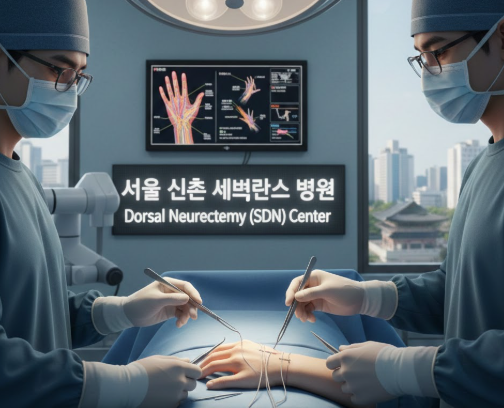
Dorsal Neurectomy, commonly known as Selective Dorsal Neurectomy (SDN), is a surgical procedure performed in Korea to treat premature ejaculation (PE) in men. The surgery involves selectively cutting specific nerve fibers in the dorsal nerve of the penis to reduce sensitivity and prolong ejaculation time.
South Korea is internationally recognized for its advanced urology and men’s sexual health clinics offering SDN. The procedure is performed under local or general anesthesia and is considered a minimally invasive surgical option for patients who have not responded to pharmacological or behavioral therapies.
Purpose & Benefits
The primary purpose of dorsal neurectomy is to treat men with severe premature ejaculation by decreasing penile sensitivity. Key benefits include:
- Increased ejaculatory latency
- Improved sexual control and confidence
- Long-term solution for PE when other therapies fail
- Minimally invasive with a short procedure duration
- Can be combined with counseling or pharmacological therapy for optimal results
Korean clinics emphasize precise nerve selection and preservation of erectile function to ensure safety and effectiveness.
Ideal Candidates
Ideal candidates for dorsal neurectomy in Korea include men who:
- Have severe or lifelong premature ejaculation
- Do not respond adequately to medications like dapoxetine or behavioral techniques
- Are in good general health and suitable for minor surgery
- Seek a more permanent solution for PE
- Understand the procedure’s benefits and risks
Pre-operative evaluation ensures that SDN is appropriate and that patients have realistic expectations.
Possible Risks & Complications
Although SDN is generally safe when performed by experienced surgeons, potential risks include:
- Temporary or permanent reduction in penile sensitivity
- Minor bleeding or infection at the incision site
- Pain or discomfort during the initial healing period
- Rare erectile dysfunction or altered sensation
- Regrowth of nerve fibers leading to recurrence of symptoms (rare)
Korean clinics follow strict surgical protocols and provide careful pre- and post-operative guidance to minimize risks.
Techniques & Technology Used
Korean clinics utilize advanced techniques for precise and safe SDN procedures:
Selective Nerve Identification – Surgeons carefully identify and preserve essential nerves while targeting fibers contributing to premature ejaculation.
Microsurgical Instruments – High-precision instruments reduce tissue damage, bleeding, and recovery time.
Local or General Anesthesia – Choice depends on patient comfort and surgical complexity.
Postoperative Monitoring – Follow-up assessments and, if needed, complementary therapies like pelvic floor exercises or counseling help optimize results.
These methods ensure patient safety and maximize long-term outcomes.
Treatment Process in Korea
1. Preoperative Consultation & Evaluation
Patients undergo a detailed sexual and medical history assessment, physical examination, and counseling about surgical expectations. Diagnostic tests may include penile sensitivity tests or urological evaluations.
2. Surgery & Procedure
The SDN procedure typically lasts 30–60 minutes. Under anesthesia, surgeons make a small incision and selectively cut targeted nerve fibers in the dorsal nerve of the penis. The incision is closed with fine sutures.
3. Immediate Postoperative Care
Patients are monitored briefly after surgery. Pain and swelling are managed with medication and ice packs. Most patients return home the same day.
4. Recovery & Follow-Up
Follow-up appointments evaluate healing, nerve function, and sexual performance. Sutures are usually removed within 1–2 weeks. Patients receive guidance on resuming sexual activity and maintaining optimal outcomes.
5. Adjunctive Therapy
Some patients benefit from pelvic floor exercises, behavioral therapy, or short-term pharmacological support to enhance results.
Recovery & After-Care
Recovery from SDN is relatively quick due to the minimally invasive approach. Recommended care includes:
- Avoiding sexual activity for 3–6 weeks
- Keeping the surgical area clean and dry
- Managing pain and swelling with prescribed medications
- Attending follow-up visits to monitor healing
- Reporting any abnormal symptoms, such as excessive pain, bleeding, or changes in sensation
Most men resume normal sexual activity within 4–6 weeks, with gradual improvement in ejaculatory control.
Results & Longevity
Selective dorsal neurectomy offers long-lasting benefits for men with severe PE. Results include:
- Significantly prolonged ejaculation time
- Improved sexual confidence and satisfaction
- Long-term control over premature ejaculation
- Reduced reliance on medications or behavioral interventions
Studies and clinical experience in Korea indicate that SDN provides durable results when performed with proper surgical technique and patient selection.
Why Korea Is a Top Destination
South Korea is a preferred destination for SDN due to:
- Highly skilled urologists and microsurgeons specializing in male sexual health
- Advanced surgical techniques and precision instruments
- Comprehensive pre- and post-operative care programs
- Confidential and discreet services for international patients
- High success rates and patient satisfaction
- Affordable costs compared to Western countries
Korean clinics ensure both functional and aesthetic safety, making the country a trusted choice for men seeking permanent solutions to PE.
Cost Range
The cost of dorsal neurectomy in Korea varies depending on clinic, surgeon experience, and additional services:
SDN Surgery: USD 2,500 – 5,000
Preoperative Consultation & Evaluation: USD 100 – 300
Postoperative Follow-Up & Therapy: USD 200 – 500
Comprehensive International Patient Package: USD 3,000 – 6,000
Packages typically include consultation, surgery, anesthesia, post-operative care, and follow-up support.
Popular Clinics in Korea
Some reputable clinics performing SDN include:
- ID Hospital Men’s Health Center – Specializes in advanced PE surgeries with high success rates.
- Banobagi Men’s Health Clinic – Offers microsurgical SDN with personalized care plans.
- View Urology & Men’s Wellness Clinic – Experienced in both surgical and non-surgical PE treatments.
- TL Men’s Health Clinic – Focused on minimally invasive procedures for male sexual dysfunction.
- Regen Medical Center – Trusted by international patients for safe and effective SDN procedures.


