
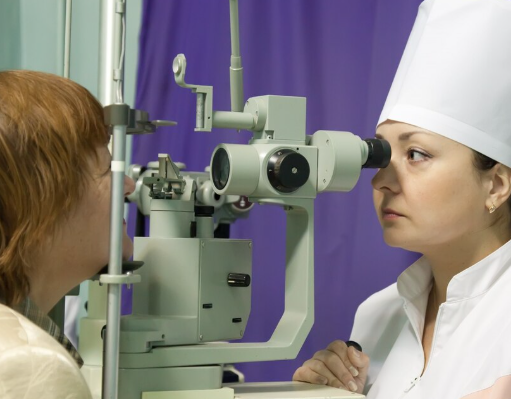
Treatment Overview
Drainage Retinotomy for Retinal Detachment in Korea is a specialized retinal procedure used to treat complex or bullous retinal detachments. It involves creating a small, controlled opening (retinotomy) in the retina to drain subretinal fluid (SRF), allowing the retina to reattach to the underlying tissue. This technique is often combined with pars plana vitrectomy (PPV), gas or silicone oil tamponade, and laser photocoagulation to optimize retinal reattachment.
In Korea, this procedure is performed with advanced technology and precision techniques:
- Microscope-integrated vitrectomy systems (25–27G PPV) for minimal trauma
- Intraoperative OCT (iOCT) for real-time visualization of retina and fluid drainage
- Widefield fundus imaging to map the detachment
- Controlled drainage with microcannulas to minimize retinal injury
- AI-assisted retinal mapping for tear and detachment evaluation
- Combination with laser or cryotherapy for retinotomy edges
These innovations result in high anatomical success rates while minimizing complications and promoting rapid visual recovery.
Purpose & Benefits
Purpose
- Facilitate reattachment of retina in complex or bullous detachments
- Remove subretinal fluid that cannot resolve naturally
- Reduce vitreoretinal traction
- Complement vitrectomy, laser, or scleral buckle procedures
- Prevent proliferative vitreoretinopathy (PVR)
- Restore retinal anatomy and preserve vision
Benefits
- High success rate for complex or chronic detachments
- Minimally invasive with microincision vitrectomy
- Controlled drainage reduces risk of retinal trauma
- Can be combined with gas or silicone oil tamponade for stability
- Quick postoperative recovery in specialized Korean centers
- AI-assisted mapping enhances surgical precision
- Preserves macular function in most cases
Ideal Candidates
Drainage Retinotomy in Korea is ideal for:
- Patients with bullous or chronic retinal detachment
- Individuals with persistent subretinal fluid unresponsive to conventional techniques
- Detachments complicated by tractional elements or PVR
- Eyes with multiple retinal breaks or large detachments
- Patients requiring adjunctive vitrectomy with tamponade
- Individuals with previous failed reattachment surgery
- Trauma-induced retinal detachment cases
Possible Risks & Complications
Drainage Retinotomy is highly effective but carries some risks:
Minor/Transient Issues
- Temporary blurred vision
- Mild eye discomfort
- Small floaters due to residual vitreous
Rare/Serious Risks
- Recurrent retinal detachment
- Retinal hemorrhage at retinotomy site
- Induction of new retinal tears
- Cystoid macular edema (rare)
- Endophthalmitis (very rare)
- Prolonged tamponade may affect vision temporarily
Korean clinics minimize risks through:
- Real-time intraoperative OCT and widefield imaging
- Microcannula-controlled fluid drainage
- AI-assisted mapping to avoid critical macular areas
- Experienced retinal surgeons and high-volume surgical centers
- Strict sterile and postoperative monitoring protocols
Related Diagnostic & Treatment Techniques
- Pars Plana Vitrectomy (PPV) – Standard vitrectomy with retinotomy
- Scleral Buckling – If additional external support needed
- Gas (SF6/C3F8) or Silicone Oil Tamponade – Maintains retinal attachment
- Laser Retinopexy – Applied at retinotomy edges
- Cryopexy – Alternative or adjunct to secure retinal edges
- OCT & Widefield Fundus Imaging – Pre- and post-op evaluation
- AI-Assisted Retinal Mapping – Optimizes retinotomy placement
Treatment Process in Korea
Step 1 – Preoperative Assessment
- Comprehensive eye exam and visual acuity testing
- Widefield fundus photography and OCT
- Ultrasound B-scan if media opacity exists
- AI-assisted retinal mapping to plan retinotomy site and drainage
- Assessment of macular and peripheral retina
Step 2 – Surgical Procedure
- Local or general anesthesia
- 25–27G microincision vitrectomy performed
- Removal of vitreous traction
- Controlled drainage through the retinotomy site using microcannula
- Retinotomy edges secured with laser or cryotherapy
- Gas or silicone oil tamponade injected as required
Step 3 – Intraoperative Monitoring
- iOCT used to ensure complete flattening of retina
- Verification of no residual traction or fluid
- AI-assisted confirmation of retinal integrity
Step 4 – Postoperative Follow-Up
- Immediate postoperative exam within 24 hours
- Follow-up at 1 week, 1 month, and 3 months
- OCT and fundus imaging to monitor reattachment and retinal health
Duration: 60–120 minutes
Setting: Advanced retinal surgery operating room
Recovery & After-Care
After-Care Guidelines
- Use prescribed eye drops (antibiotics, steroids)
- Maintain head positioning if gas tamponade is used
- Avoid heavy lifting, bending, or strenuous activity for several weeks
- Keep eye clean and protected
- Attend all scheduled follow-ups and imaging sessions
Recovery Timeline
- Immediate: Vision may be blurred due to tamponade or gas bubble
- 1–2 Weeks: Retina stabilizes; initial visual recovery
- 1–3 Months: Significant improvement in vision; tamponade absorption
- 3–6 Months: Long-term retinal stability confirmed
Results & Longevity
Expected Results
- Successful reattachment of retina in complex detachments
- Drainage of subretinal fluid enabling retinal flattening
- Preservation of macular function in most cases
- Reduced risk of recurrent detachment when combined with laser or tamponade
- Improved long-term anatomical and functional outcomes
Longevity
- Long-term retinal stability achieved in most cases
- Periodic monitoring recommended for high-risk patients
- Additional intervention rarely needed if retinotomy and tamponade successful
Why Korea Is a Top Destination
- High-volume retinal surgery centers with experienced specialists
- Advanced microincision vitrectomy and iOCT systems
- AI-assisted planning and real-time monitoring
- Integration with gas or silicone oil tamponade for complex detachments
- Multimodal imaging for precise pre- and postoperative assessment
- Efficient outpatient care and follow-up programs
- English-friendly care for international patients
Unique Korean Innovations
- AI-guided retinotomy placement and drainage strategy
- Microcannula-controlled drainage to minimize retinal trauma
- Intraoperative OCT for real-time visualization of retinal layers
- Combined approach with vitrectomy, laser, or cryopexy for higher success
- Digital surgical dashboards for postoperative monitoring
- Advanced tamponade selection protocols for rapid recovery
Cost Range (Indicative Estimate)
| Package | Price (KRW) | Approx. USD | Inclusions |
|---|---|---|---|
| Standard Drainage Retinotomy + PPV | ₩4,500,000 – ₩7,500,000 | ~$3,450 – $5,750 | Microincision vitrectomy + retinotomy + laser edges |
| Drainage Retinotomy + Gas Tamponade (SF6/C3F8) | ₩5,500,000 – ₩8,500,000 | ~$4,200 – $6,550 | PPV + retinotomy + gas + imaging |
| Drainage Retinotomy + Silicone Oil Tamponade | ₩6,500,000 – ₩10,000,000 | ~$5,000 – $7,650 | PPV + retinotomy + silicone oil + laser |
| Postoperative Monitoring Package | ₩300,000 – ₩800,000 | ~$230 – $620 | OCT + fundus + AI-assisted follow-up |
Popular Clinics in Korea
- Kim’s Eye Hospital (Seoul)
- Gangnam Severance Hospital Retina Unit
- Seoul National University Hospital Retina Center
- B&VIIT Eye Center (Seoul)
- BGN Eye Clinic (Seoul & Busan)
- NUNE Eye Hospital (Daegu)
- Dream Eye Center (Seoul)
- Glory Seoul Eye Clinic


