
Treatment Overview
The Dual Freeze & Store Embryo Program in Korea represents a cutting-edge fertility preservation system that combines advanced embryo vitrification (freezing) with secure long-term biobank storage. Designed for couples and individuals seeking flexible, safe, and effective fertility solutions, this dual approach ensures both immediate preservation and future reproductive success.
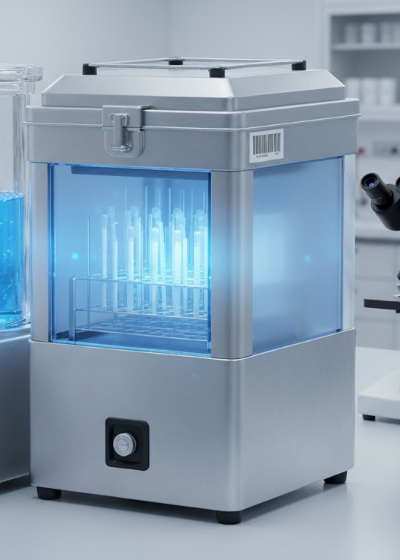
Using ultra-rapid vitrification technology, embryos are flash-frozen within seconds to prevent ice crystal formation and maintain cellular integrity. Once frozen, embryos are transferred to biobank-grade cryogenic storage facilities equipped with AI-assisted monitoring, 24-hour temperature regulation, and dual backup nitrogen systems.
Korean fertility clinics are world leaders in embryo cryopreservation, integrating science, technology, and personalized care to offer one of the most reliable fertility storage programs globally.
Purpose & Benefits
The Dual Freeze & Store Embryo Program aims to provide complete reproductive flexibility — allowing patients to preserve high-quality embryos today for future family planning while ensuring absolute safety and stability during storage.
Key benefits include:
- Two-step fertility protection: Combines precision freezing with secure long-term storage.
- Ultra-fast vitrification: Prevents cellular damage and preserves embryo quality.
- Biobank-grade cryostorage: 24/7 monitoring and automated temperature control ensure perfect stability.
- Long-term viability: Embryos remain genetically stable for over 20 years.
- Global standard safety systems: Redundant power and nitrogen backups protect against environmental fluctuations.
- Optimized pregnancy timing: Enables embryo transfer at the most favorable hormonal period.
- Supports genetic testing: Seamlessly integrates with PGT-A and PGT-M procedures.
- Flexible family planning: Ideal for multi-cycle IVF or future family expansion.
This dual-stage preservation model combines cutting-edge laboratory science with long-term reproductive security.
Ideal Candidates
Dual Freeze & Store Embryo Korea is ideal for patients pursuing fertility preservation with maximum reliability and flexibility.
Ideal candidates include:
- Couples undergoing in vitro fertilization (IVF) who wish to store surplus embryos.
- Women delaying pregnancy for career, personal, or medical reasons.
- Patients preparing for chemotherapy or medical treatments that could impact fertility.
- Couples undergoing genetic screening (PGT) prior to transfer.
- Individuals planning multiple pregnancies over several years.
- Patients seeking a safe, biobank-certified storage facility for long-term embryo preservation.
This dual system offers both immediate scientific precision and future-oriented fertility protection.
Possible Risks & Complications
Embryo freezing and biobank storage are highly safe and standardized. However, minor risks may include:
- Minimal embryo loss during freezing or thawing (typically under 2%).
- Emotional stress associated with IVF cycles or delayed transfer.
- Legal or administrative concerns related to long-term storage rights.
Korean fertility centers mitigate these risks through digital traceability, AI-monitored cryostorage, and rigorous laboratory protocols, ensuring complete transparency and safety throughout the process.
Surgical & Laboratory Techniques Used
The Dual Freeze & Store Embryo Protocol in Korea integrates laboratory excellence with modern cryogenic engineering to preserve embryos with near-perfect accuracy.
Core techniques include:
- Ovarian Stimulation & IVF Fertilization: Eggs are fertilized under controlled conditions using IVF or ICSI.
- Embryo Culture & Grading: AI-based imaging and time-lapse monitoring ensure accurate quality assessment.
- Vitrification (Flash Freezing): Ultra-rapid freezing prevents ice crystal formation and preserves embryo integrity.
- Cryoprotectant Optimization: Custom cryoprotectant exposure minimizes osmotic and thermal stress.
- Dual Cryostorage Systems: Embryos are stored in redundant cryogenic tanks for maximum reliability.
- Smart Biobank Infrastructure: Temperature sensors and digital monitoring ensure 24-hour cryogenic stability.
- Data Encryption & Barcode Tracking: Every embryo is digitally logged and tracked throughout storage.
Korean embryology labs operate under GLP and ISO-certified protocols, ensuring safety, sterility, and global-standard precision.
Recovery & Aftercare
Recovery after embryo freezing is straightforward since the procedure occurs after fertilization in a laboratory. Patients primarily follow post-IVF care instructions.
Typical aftercare recommendations include:
- Rest after egg retrieval and avoid intense physical activity for 1–2 days.
- Maintain a hormone-friendly diet and adequate hydration.
- Take prescribed progesterone or hormonal supplements as directed.
- Schedule follow-up visits to review embryo quality and freezing outcomes.
- Plan for future embryo transfer once the uterine lining and hormonal profile are optimized.
Korean fertility centers also provide holistic aftercare programs, including wellness support, nutrition counseling, and reproductive health management for long-term fertility success.
Results & Longevity
The Dual Freeze & Store Embryo Program in Korea demonstrates exceptional outcomes due to technological precision and controlled laboratory environments.
Clinical results include:
- Embryo survival rate post-thaw: 98–99%.
- Pregnancy rate per frozen embryo transfer (FET): 60–70% in women under 35.
- Live birth rate: Comparable to or exceeding fresh transfer cycles.
- Storage longevity: Embryos remain viable for 20+ years under cryogenic preservation.
- Consistent embryo integrity: Maintains genetic and cellular quality throughout storage.
These results confirm that dual freeze and storage systems offer both safety and long-term reproductive reliability.
Treatment Process in Korea
Korean fertility centers are internationally recognized for their seamless and precise Dual Freeze & Store Embryo Protocol, ensuring smooth coordination from IVF to long-term cryostorage.
Step 1: Consultation & Fertility Assessment
Comprehensive evaluation of reproductive health, hormones, and fertility goals.
Step 2: Ovarian Stimulation & Egg Retrieval
Controlled hormonal therapy followed by ultrasound-guided egg collection.
Step 3: Fertilization & Embryo Culture
Eggs are fertilized via IVF or ICSI and cultured for 3–5 days under time-lapse monitoring.
Step 4: Dual Embryo Freezing (Vitrification)
Embryos are flash-frozen using precision vitrification technology to ensure optimal survival.
Step 5: Secure Cryostorage in Biobank Facility
Embryos are stored in advanced cryogenic tanks equipped with dual nitrogen systems and 24/7 AI surveillance.
Step 6: Thawing & Embryo Transfer (When Ready)
Embryos are safely thawed and transferred into the uterus during the patient’s most fertile and hormonally balanced cycle.
Why Korea Leads in Dual Freeze & Store Programs
- AI-integrated vitrification and cryostorage technology.
- Automated nitrogen control and dual backup power systems.
- World-class embryologists and reproductive endocrinologists.
- Strict safety and ethical standards.
- Affordable, internationally accredited fertility services.
This combination of medical excellence and cryogenic innovation has made Korea a global destination for advanced embryo preservation.
Cost Range
The cost of Dual Freeze & Store Embryo Korea varies by clinic, technology, and storage duration.
- Standard Dual Freeze & Storage Cycle: USD 4,500 – 6,000
- Advanced AI-Monitored Biobank Package: USD 6,000 – 8,000
- Annual Cryostorage Fee: USD 300 – 600
- Comprehensive Multi-Year Package (3–5 years): USD 7,000 – 9,500
These packages generally include consultation, embryo culture, vitrification, cryostorage setup, and one year of secure storage.
Popular Clinics
Korea is home to world-class fertility centers offering Dual Freeze & Store Embryo programs that integrate advanced cryobiology and patient-centered reproductive care.
CHA Fertility Center (Seoul & Bundang)
Global pioneer in AI-assisted vitrification and long-term biobank storage.
Asan Medical Center – Department of Reproductive Medicine
Specializes in dual freezing protocols and high-capacity cryogenic storage systems.
MizMedi Women’s Hospital (Seoul)
Offers personalized dual-stage embryo preservation with excellent clinical success.
Hamchoon Women’s Clinic
Renowned for precision-controlled vitrification and hormone-based cycle management.
G Clinic (Seoul)
Provides affordable, secure dual freeze and storage options for international fertility patients.


