
→ Treatment Overview
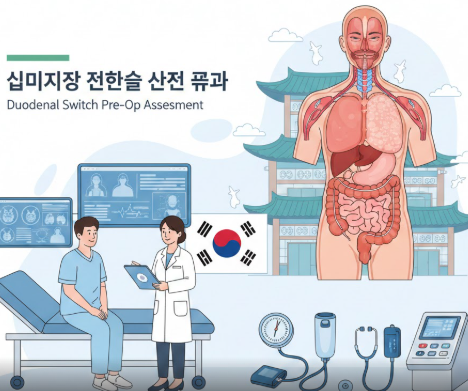
Duodenal Switch (DS) Pre‑Operative Assessment in Korea is a comprehensive evaluation process conducted before undergoing DS surgery. The assessment ensures that patients are suitable candidates for surgery, identifies any potential risks, and helps customize the surgical plan. Korean hospitals provide a multidisciplinary approach, including medical, nutritional, and metabolic evaluations, tailored for both local and international patients.
→ Purpose & Benefits
The purpose of the pre-operative assessment is to maximize surgical safety and optimize outcomes.
Key benefits include:
→ Determining patient eligibility for DS surgery
→ Identifying obesity-related comorbidities like diabetes, hypertension, or metabolic syndrome
→ Developing a personalized surgical and nutritional plan
→ Minimizing surgical risks and potential complications
→ Preparing patients for post-operative recovery and lifestyle changes
This step ensures that both surgical and post-surgical interventions are safe and effective.
→ Ideal Candidates
Pre-op assessment is suitable for all patients considering DS surgery.
Ideal candidates include:
→ Adults with severe obesity (BMI ≥35) or moderate obesity with comorbidities (BMI 30‑35)
→ Patients with type 2 diabetes or metabolic syndrome
→ Individuals planning to undergo DS surgery in Korea
→ Patients who require guidance for pre-surgery nutrition, metabolic health, or lifestyle optimization
→ International patients needing a thorough assessment before traveling for surgery
This evaluation helps ensure that surgery is safe and tailored to the patient’s needs.
→ Possible Risks & Complications
Pre-operative assessment is non-invasive and safe, but incomplete evaluation may lead to:
Potential risks include:
→ Undiagnosed medical conditions affecting surgical safety
→ Misidentification of nutritional deficiencies
→ Unanticipated surgical complications due to unassessed comorbidities
Comprehensive assessment minimizes these risks and prepares patients for a safe surgical experience.
→ Techniques & Technology Used
Korean hospitals use advanced diagnostic and evaluation tools during pre-op assessment.
Key features include:
→ Blood tests for metabolic, hormonal, and nutritional status
→ Imaging tests (ultrasound, CT scan) to evaluate abdominal organs
→ Cardiac and pulmonary evaluations for surgical safety
→ Body composition and BMI measurement
→ Personalized nutritional and metabolic consultation
→ Multidisciplinary review by surgeons, dietitians, and endocrinologists
These technologies ensure accurate assessment and individualized surgical planning.
→ Treatment Process in Korea
The pre-operative process is structured for thorough evaluation.
Typical process includes:
→ Initial consultation with bariatric surgeon
→ Comprehensive medical history and physical examination
→ Laboratory tests for metabolic, liver, kidney, and hormonal function
→ Imaging studies to assess abdominal organs and anatomy
→ Nutritional evaluation and dietary guidance pre-surgery
→ Multidisciplinary review to finalize surgical plan
International patients can receive virtual consultations before traveling to Korea.
→ Recovery & After-Care
Although pre-op assessment does not involve surgery, it prepares the patient for smooth post-operative recovery.
After-care preparation includes:
→ Pre-surgery nutritional recommendations
→ Guidance on exercise and lifestyle modifications
→ Education about post-operative diet, supplements, and follow-up
→ Counseling on potential risks and how to prevent complications
A well-prepared patient experiences faster recovery and better long-term outcomes.
→ Results & Longevity
The pre-operative assessment ensures safe surgery and improved long-term outcomes.
Expected outcomes include:
→ Optimized surgical plan based on individual health status
→ Identification and management of comorbidities prior to surgery
→ Reduced risk of post-operative complications
→ Enhanced long-term weight loss and metabolic improvement
Thorough assessment is crucial for lasting success with DS surgery.
→ Why Korea Is a Top Destination
Korea is recognized for advanced pre-operative bariatric assessment.
Key reasons include:
→ Experienced bariatric teams conducting detailed evaluations
→ Use of advanced diagnostic tools and multidisciplinary review
→ Integrated approach including metabolic, nutritional, and endocrinology assessment
→ Telemedicine support for international patients
→ High-quality healthcare with competitive pricing
Korean clinics ensure that every patient is fully prepared for a safe and effective surgery.
→ Cost Range
The cost of a DS pre-operative assessment in Korea is reasonable.
Estimated cost range:
→ USD 500 – USD 1,500
This typically includes consultations, lab tests, imaging, nutritional evaluation, and pre-surgical counseling. Additional tests or specialist consultations may increase costs.
→ Popular Clinics in Korea
Several hospitals in Korea specialize in DS pre-op assessments:
Common options include:
→ Bariatric centers in Seoul offering comprehensive pre-op evaluation
→ University-affiliated hospitals with multidisciplinary metabolic support
→ Private clinics providing international patient services and telemedicine consultations
These clinics are known for thorough assessments, advanced diagnostics, and personalized care.


