
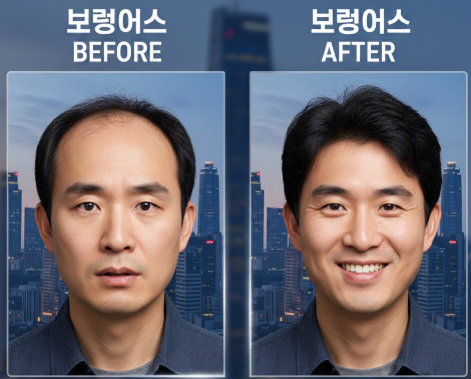
Treatment Overview
Dutasteride therapy is a potent treatment for androgenetic alopecia (pattern hair loss) widely used in Korea. By inhibiting both type I and type II 5-alpha-reductase enzymes, it significantly lowers DHT (dihydrotestosterone), the hormone primarily responsible for hair follicle miniaturization. Korean clinics offer both oral and injection-based Dutasteride therapies, sometimes combined with PRP, growth factor injections, or laser scalp therapy for enhanced outcomes.
Before starting treatment, dermatologists perform a detailed scalp and hair analysis to document baseline density, miniaturization, and hairline status. This “before” data serves as a reference to evaluate progress over time.
Purpose & Benefits
The primary purpose of Dutasteride therapy is to stop further hair loss and stimulate regrowth in thinning areas. Key benefits include:
- Visible improvement in hair density and thickness over time
- Stabilization of receding hairlines and crown thinning
- Prevention of further follicular miniaturization
- Effective for both early and moderate stages of hair loss
- Can be combined with other regenerative therapies for faster, more pronounced results
Before-and-after results demonstrate not only thicker hair but also healthier follicle activity and improved scalp condition.
Ideal Candidates
Dutasteride therapy is suitable for:
- Men with androgenetic alopecia (mild to moderate stages)
- Patients with thinning crown or frontal scalp
- Individuals who have not achieved results with finasteride
- Post-menopausal women under specialist supervision
- Medical tourists seeking professional supervision and documented results
Korean clinics typically perform pre-treatment hair density mapping and photo documentation to identify ideal candidates and track outcomes.
Possible Risks & Complications
Although generally safe under medical supervision, possible side effects include:
- Reduced libido or mild sexual side effects
- Hormonal sensitivity reactions
- Scalp dryness or mild shedding during initial treatment
- Rare breast tenderness or fatigue
Korean dermatologists monitor patients regularly and adjust therapy based on individual response, ensuring risks are minimized.
Techniques & Technology Used
Korean clinics use state-of-the-art technology to optimize Dutasteride therapy and track before-and-after results:
- High-resolution scalp imaging: Monitors density and miniaturization
- AI-powered follicle tracking: Compares baseline and follow-up photos to quantify improvement
- Micro-dose injection techniques (Duta-Meso): For targeted delivery in crown or frontal areas
- Combination therapies: Laser therapy, PRP, or growth factor injections enhance efficacy and speed up visible results
The combination of data-driven monitoring and advanced techniques allows patients to see measurable progress.
Treatment Process in Korea
- Consultation & Initial Assessment – Scalp imaging, hair density evaluation, and medical history review.
- Pre-Treatment Documentation – Photos and follicle analysis to create a baseline.
- Dutasteride Therapy Initiation – Oral or injection therapy is prescribed, sometimes with adjunct therapies.
- Follow-Up Monitoring – Regular check-ins with scalp photos and density measurements every 2–3 months.
- Progress Evaluation – Comparing “before” and “after” photos to measure results.
- Maintenance Plan – Continuous therapy, sometimes combined with topical or regenerative treatments, for long-term results.
Recovery & After-Care
Dutasteride therapy does not require downtime, but after-care includes:
- Following prescribed dosing schedules
- Attending follow-up appointments for progress evaluation
- Using dermatologist-recommended scalp care products
- Maintaining healthy lifestyle habits (sleep, nutrition, stress management)
Regular follow-ups ensure any early shedding is monitored and the therapy is adjusted for optimal regrowth.
Results & Longevity
Before-and-after results in Korea typically show:
- 3–6 months: Reduced shedding and early signs of thickening
- 6–9 months: Noticeable increase in hair density and scalp coverage
- 9–12 months: Significant regrowth in crown and frontal areas
- Long-term: Continuous therapy maintains hair density and prevents further thinning
Patients often share photographic comparisons showing clear improvements in hairline, crown, and overall density. Combining Dutasteride with PRP or laser therapy often yields faster and more noticeable results.
Why Korea Is a Top Destination
Korea is recognized globally for hair-loss treatments due to:
- Highly experienced dermatologists specializing in hair restoration
- Advanced diagnostic imaging to track before-and-after outcomes
- Integration of oral and injection-based therapies with regenerative treatments
- Transparent and competitive pricing for medical tourists
- Personalized treatment plans based on scalp analysis and patient goals
Medical tourists benefit from high-quality care with measurable, documented results.
Cost Range
Cost for Dutasteride therapy in Korea varies based on type, dosage, and combination with other treatments:
- Oral Dutasteride (1-month supply, generic): ₩20,000–₩50,000
- Injection therapy session: ₩150,000–₩350,000 per session
- Combination packages (PRP, laser): ₩400,000–₩1,200,000 per package
- Consultation & follow-up: ₩20,000–₩50,000 per visit
Full treatment plans may range from $100 to $300 per month depending on intensity and combination therapies.
Popular Clinics in Korea
- Dr. FORHAIR Clinic – Known for data-driven monitoring and before-and-after documentation
- Wonjin Dermatology Center – Offers combination oral and injection therapies with advanced imaging
- MODE A Hair Loss Clinic – Specializes in targeted Duta-Meso injections
- Seoul Skin & Hair Clinics – Provides comprehensive therapy for medical tourists


