
Treatment Overview
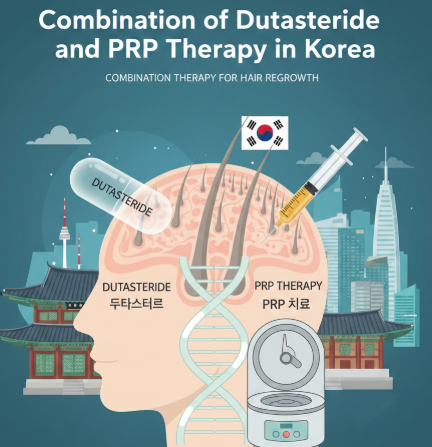
Dutasteride therapy is a widely used and highly effective treatment for androgenetic alopecia (pattern hair loss) in Korea. It works by inhibiting both type I and type II 5‑alpha reductase enzymes, reducing the hormone DHT (dihydrotestosterone), which is strongly linked to hair follicle miniaturization. In Korea, patients can access Dutasteride as a prescription oral medication, and many dermatology clinics also combine it with other scalp‑regenerative therapies like injections, PRP, or laser treatments to boost its effectiveness.
Purpose & Benefits
The main purpose of Dutasteride therapy is to prevent further hair thinning and promote regrowth in areas affected by DHT. The benefits include:
- More potent reduction of DHT compared to finasteride
- Improvement in hair density over several months
- Stabilization of hairline and crown thinning
- Potential to combine with regenerative therapies (e.g., PRP, injections)
- Non-surgical treatment with relatively low risk when monitored
Ideal Candidates
Dutasteride therapy is ideal for:
- Men with moderate to advanced androgenetic alopecia
- Individuals who did not get sufficient response with finasteride
- Patients looking for a long-term medical solution rather than surgery
- People open to regular follow-ups and scalp monitoring
- Medical tourists who prefer clinician-led, prescription-based treatment
Possible Risks & Complications
While generally safe when supervised by a dermatologist, Dutasteride can have side effects, including:
- Reduced libido or sexual side effects (rare but possible)
- Hormonal changes (requires monitoring)
- Mild scalp shedding when starting therapy
- Potential liver or metabolic considerations (especially in long-term use)
- Women of childbearing age typically should avoid it due to possible teratogenic effects
Techniques & Technology Used
Korean clinics are among the most advanced in the world, using multiple technologies to support Dutasteride therapy:
- High‑resolution scalp diagnostics (microscopy, trichoscopy) to assess density, miniaturization, and scalp health
- Digital monitoring to track progress and adjust dose
- Integration with other modalities (PRP, microneedling, laser) to amplify regrowth
- Personalized treatment planning based on patient response and scalp condition
Treatment Process in Korea
- Initial Consultation: Dermatologist evaluates your scalp, hair loss pattern, and medical history.
- Scalp Imaging & Diagnosis: Use of digital tools to map hair density and miniaturization.
- Prescription & Medication: Based on your diagnosis, a prescription for oral Dutasteride is made.
- Follow-Up Monitoring: Regular visits (every few months) to monitor efficacy, side effects, and adjust dosage as needed.
- Maintenance: Continued use of Dutasteride, possibly combined with scalp therapies for better long-term results.
Recovery & After-Care
Because Dutasteride is a pill (oral therapy), there’s no downtime required. After beginning treatment, you’ll need:
- Regular follow-up appointments with your dermatologist
- Blood or hormone tests if recommended to monitor side effects
- Patience: visible improvements often take 3–6 months or more
- Consistency: daily or as-prescribed dosing is essential for best outcomes
Results & Longevity
- Short-term (3–6 months): Reduced shedding and early signs of thickening
- Mid-term (6–12 months): Significant improvement in density and hair strength
- Long-term: As long as Dutasteride is continued under medical supervision, many patients maintain stabilized hair and improved scalp condition
- Discontinuing therapy usually leads to gradual reversal of the gains over time because DHT suppression lessens
Why Korea Is a Top Destination for Dutasteride Therapy
- Highly Skilled Dermatologists: Korea has some of the world’s leading specialists in hair loss.
- Advanced Diagnostics: Clinics offer high-end scalp imaging to precisely tailor treatment.
- Integrated Treatment Options: Many centers combine Dutasteride with PRP, laser, or injection therapies.
- Cost Efficiency: While prescription and treatment costs are out-of-pocket, they are often more competitive than in many Western countries. Delight Hair Clinic+2Korea Health Pages+2
- Medical Tourism Infrastructure: Clinics are used to treating international patients, often offering English-speaking coordinators.
Cost Range
Here are typical cost estimates for Dutasteride therapy in Korea:
| Cost Component | Estimated Cost (KRW / USD) |
|---|---|
| Initial consultation & scalp diagnosis | ₩50,000–₩150,000 (≈ $35–$110) Korea Health Pages |
| Oral Dutasteride (generic, 1‑month supply) | ₩20,000–₩40,000 (≈ $17–$33) Korea Clinic Cost+1 |
| Oral Dutasteride (brand-name) | ₩50,000–₩100,000+ (≈ $42–$75+) Delight Hair Clinic+1 |
| Prescription refill & follow-up visit | ₩20,000–₩40,000 per visit (≈ $17–$33) Korea Clinic Cost |
| Combination therapy (e.g., Dutasteride + PRP) | ₩400,000–₩800,000+ for package (≈ $335–$670) Korea Clinic Cost+1 |
Because Dutasteride for hair loss is usually considered “cosmetic / elective,” it’s not covered by the National Health Insurance Service (NHIS) in Korea. Delight Hair Clinic+1
Popular Clinics & Options in Korea
Here are some well-known Korean dermatology and hair-loss clinics where you can access Dutasteride therapy:
- Seoul Hair Loss Clinic / Seoul Delight Dermatology: They offer oral Dutasteride and detailed scalp diagnosis.
- High-End Dermatology Hospitals: Many big dermatology practices in Seoul and other major cities provide prescription hair-loss medications and follow-up care.
- Combination Therapy Clinics: Clinics recommended by platforms like Kosmedi offer tailored treatment plans that bundle medication, PRP, and scalp therapies.
Key Considerations for Medical Tourists
- Language & Support: Choose a clinic with English-speaking staff or international patient coordinators.
- Follow-Up: Make sure the clinic offers ongoing monitoring — since Dutasteride needs check-ins.
- Prescription Laws: Because Dutasteride is prescription-only, you must see a licensed dermatologist in Korea.
- Travel & Stay Costs: Factor in accommodation, translation services, and local transport when budgeting. According to one guide, these can add significantly.
- Medication Refill: Confirm how you can refill the prescription — whether at a local pharmacy or through the clinic.


