
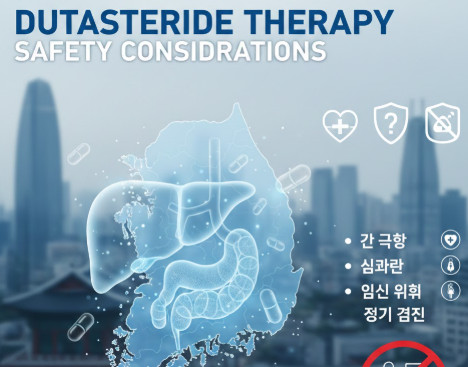
Treatment Overview
Dutasteride therapy is one of the most effective medical treatments for androgenetic alopecia, widely used in Korea for both men and, in select cases, post-menopausal women. It works by inhibiting type I and type II 5-alpha reductase enzymes, significantly reducing DHT (dihydrotestosterone) levels in the scalp. While highly effective in slowing hair loss and promoting regrowth, understanding safety considerations is crucial, especially for medical tourists seeking treatment in Korea.
Korean dermatology clinics are renowned for their meticulous approach, combining advanced diagnostics, careful dosing, and close monitoring to ensure safety while maximizing therapeutic results.
Purpose & Benefits
The purpose of Dutasteride therapy is to:
- Suppress DHT levels to prevent follicle miniaturization
- Stabilize hair loss in the frontal and crown regions
- Promote hair regrowth over months of consistent treatment
The benefits of adhering to proper safety protocols include:
- Reduced risk of systemic side effects
- Predictable and measurable hair restoration outcomes
- Effective combination with other therapies, such as PRP or laser, without increased risk
- Confidence for medical tourists undergoing treatment abroad
Korean clinics emphasize patient education on potential risks, safe dosage, and follow-up procedures to ensure responsible therapy.
Ideal Candidates
Ideal candidates for Dutasteride therapy under safe protocols include:
- Men with mild to moderate androgenetic alopecia
- Post-menopausal women with confirmed androgen-sensitive hair loss
- Individuals who have undergone prior hair loss treatments with limited success
- Patients willing to undergo regular monitoring for side effects and hormone levels
- Medical tourists who can commit to follow-up visits in Korea or through telemedicine
Women of childbearing age and pregnant individuals are generally excluded due to potential hormonal effects.
Possible Risks & Complications
Although generally well-tolerated, Dutasteride therapy carries potential risks that patients must consider:
- Sexual side effects: Reduced libido, erectile dysfunction, or ejaculation changes (rare and typically reversible)
- Hormonal effects: Suppression of DHT may impact other androgen-related functions
- Initial shedding: Temporary hair shedding may occur within the first few months
- Allergic reactions: Rare scalp irritation or hypersensitivity
- Long-term safety: Rare reports of mood changes, fatigue, or breast tenderness
Korean clinics minimize risks through proper patient selection, low-dose strategies, and continuous monitoring.
Techniques & Technology Used for Safety
Korea has pioneered advanced approaches to ensure Dutasteride therapy is safe and effective:
- Comprehensive Scalp Diagnostics: High-resolution imaging and trichoscopy to track progress
- Blood and Hormone Monitoring: Baseline and follow-up testing to detect adverse effects early
- Micro-Dose Injection (Duta-Meso): Targeted local delivery to minimize systemic exposure
- Combination Therapy Oversight: AI-assisted planning when combining oral therapy with PRP, laser, or growth factors
- Digital Tracking: Photo documentation and AI analysis of hair density for precise monitoring
These technologies allow dermatologists to tailor treatment while maintaining maximum safety.
Treatment Process in Korea
- Initial Consultation: Assessment of hair loss pattern, medical history, and risk factors
- Baseline Testing: Hormonal blood tests and scalp imaging
- Personalized Therapy Plan: Oral or injection-based Dutasteride prescribed with safe dosing
- Adjunct Therapies (Optional): PRP, microneedling, or laser therapy may be combined safely
- Follow-Up Monitoring: Regular follow-ups every 1–3 months to track efficacy and check for side effects
- Long-Term Maintenance: Adjusting dose or therapy combinations based on ongoing assessment
Korean clinics emphasize structured follow-up to reduce risks, especially for first-time international patients.
Recovery & After-Care
Dutasteride therapy typically requires no downtime, but after-care is essential for safety:
- Adhering to the prescribed dosage schedule consistently
- Attending follow-up appointments for hormonal and scalp assessment
- Monitoring for side effects and reporting them promptly
- Maintaining a healthy lifestyle to support hair growth (nutrition, sleep, stress management)
- Avoiding self-adjustment of doses or combination with unverified treatments
Results & Longevity
With proper safety monitoring, Dutasteride therapy delivers reliable results:
- 3–6 months: Stabilization of hair loss and reduced shedding
- 6–9 months: Visible improvement in hair density
- 9–12 months: Noticeable thickening and regrowth in frontal and crown areas
- Long-term: Continued therapy maintains hair density and prevents further miniaturization
Following safety guidelines ensures that results are sustainable without compromising health.
Why Korea Is a Top Destination for Safe Dutasteride Therapy
- Expert Dermatologists: Korea has specialists with extensive experience in hair restoration and safety management
- Advanced Diagnostic Tools: Clinics use digital and AI tools for monitoring therapy impact
- Evidence-Based Protocols: Standardized safety protocols for both oral and injection therapies
- Integrated Care: Combination therapies are carefully supervised to avoid complications
- Medical Tourism-Friendly: English-speaking coordinators and structured follow-up plans for international patients
Medical tourists benefit from both high safety standards and measurable, effective outcomes.
Cost Range
The cost of Dutasteride therapy in Korea depends on dosage, delivery method, and combination treatments:
- Oral Dutasteride (1-month supply, generic): ₩20,000–₩50,000
- Injection Therapy Session: ₩150,000–₩350,000
- Combination Therapy Packages: ₩400,000–₩1,200,000
- Consultation & Follow-Up Visits: ₩20,000–₩50,000 per visit
Pricing may vary by clinic, treatment package, and inclusion of adjunct therapies. Costs are typically out-of-pocket, especially for medical tourists.
Popular Clinics in Korea
- Dr. FORHAIR Clinic – Specializes in data-driven, safe treatment plans
- Wonjin Dermatology Center – Experienced in oral and injection therapies with rigorous safety monitoring
- MODE A Hair Loss Clinic – Advanced techniques and careful combination therapy management
- Seoul Skin & Hair Clinics – Comprehensive treatment with follow-up systems for international patients


