
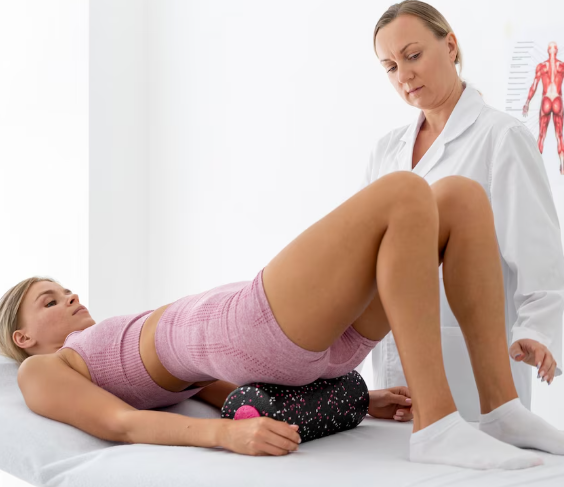
Treatment Overview
Electrostimulation pelvic therapy involves the controlled use of low-voltage electrical currents to the pelvic floor muscles (and sometimes associated abdominal/core musculature) in order to enhance muscle activation, improve neuromuscular coordination and support restoration of pelvic function. In Korea this is offered as part of specialist pelvic floor physical therapy programmes in women’s health or urogynecology clinics, often alongside manual therapy, biofeedback, exercise prescription and lifestyle education. For example, the modality of “electrical stimulation” is explicitly mentioned as one of the techniques in Korean pelvic floor therapy services.
Purpose & Benefits
The purpose of electrostimulation pelvic therapy is to assist patients who have difficulty activating or coordinating their pelvic floor muscles (due to childbirth, surgery, aging, weakness or nerve damage) by stimulating muscle contraction and retraining the neuromuscular pathways. Benefits include improved pelvic floor muscle strength, enhanced muscle endurance, better coordination (contraction/relaxation cycles), reduction in symptoms of urinary or fecal incontinence, improved bladder/bowel control, and improved pelvic organ support. Additional benefits can include reduced pelvic floor muscle fatigue, improved posture and core-integration, and a faster rehabilitation trajectory when paired with other therapy. The use of electrostimulation makes therapy more effective for patients who struggle to feel or engage their pelvic floor muscles independently.
Ideal Candidates
Ideal candidates for electrostimulation pelvic therapy are women experiencing urinary incontinence (stress or urge type), fecal incontinence or pelvic floor weakness where voluntary muscle activation is poor; women post-childbirth with weak or under-activated pelvic floor musculature; women who have undergone pelvic or gynecologic surgery and need neuromuscular re-education; individuals with pelvic floor muscle coordination problems, muscle fatigue, or inability to contract/relax the pelvic floor effectively; and women who prefer a non-surgical, conservative rehabilitation pathway before considering more invasive options.
Possible Risks & Complications
Because this is a non-invasive modality, risks are relatively minimal compared to surgery. Possible complications include mild discomfort or tingling during stimulation, temporary muscle soreness or fatigue after sessions, or very rarely skin irritation where electrodes are placed. Patients with implanted electrical devices (like pacemakers) or certain neurological conditions may need careful assessment before using stimulation. If not supervised correctly, there is a risk of over-stimulation or incorrect application which could lead to muscle over-activity rather than balanced function. It is important that sessions are administered by trained pelvic-floor physiotherapy specialists who tailor intensity, duration and electrode placement appropriately.
Surgical Techniques Used
Although electrostimulation itself is not a surgical intervention, it is frequently integrated into the pre-operative and post-operative care of surgical pelvic floor procedures. In Korea clinics, when surgical repair of pelvic floor support or incontinence is needed, electrostimulation is used as part of the rehabilitation toolkit to optimise muscle activation after repair, support healing and improve functional outcomes. In that sense, it complements surgical techniques such as sling procedures, bladder neck support, minimally invasive pelvic floor reconstruction — albeit the specific surgery is separate from the electrostimulation therapy itself.
Recovery & Aftercare
Recovery in the context of electrostimulation therapy is straightforward. Patients typically attend scheduled sessions (for example 1–2 sessions per week) for a number of weeks (often 4-8 or more depending on condition). After each session, aside from possible mild muscle soreness, there is no significant downtime and patients can resume normal activities. Aftercare includes home exercise programmes to continue pelvic floor muscle training, lifestyle and behavioural modifications (bladder/bowel habits, posture, core integration), and transition from supervised to independent use of pelvic floor activation strategies. Maintenance is key: once initial improvement is achieved, regular (monthly or less frequent) check-in sessions may be used to sustain gains. For post-surgical patients, the aftercare may also include specific restrictions (avoid heavy lifting, high intra-abdominal pressure) and gradually increased functional activities, with electrostimulation assisting the muscle retraining phase.
Results & Longevity
Patients who complete electrostimulation pelvic therapy as part of a comprehensive rehab programme often see notable improvements in pelvic floor muscle strength, fewer leakage episodes, improved ability to control bladder/bowel events, and better pelvic support. Longevity of the results depends heavily on adherence to home training, lifestyle factors (weight management, avoiding chronic straining or high impact loads), and whether underlying structural issues have been addressed. When combined with exercise, manual therapy, and lifestyle changes, many women experience long-lasting improvement in pelvic function. The Korean model emphasises the importance of ongoing maintenance and follow-up to preserve these outcomes.
Treatment Process in Korea
In Korea, the process typically begins with an initial consultation and pelvic floor assessment—evaluating muscle strength, tone, coordination, posture, core stability and bladder/bowel function. A tailored therapy plan is developed, which may include electrostimulation sessions. During a session, electrodes (either external or internal vaginal/perineal) are placed and low‐voltage electrical impulses are delivered to elicit pelvic floor muscle contractions, under supervision. The physiotherapist guides the patient to coordinate contractions/relaxations, integrates exercises with core/postural training, and gradually weans the patient toward independent muscle control. The therapy is often part of multidisciplinary care in a women’s health or urogynecology centre, with access to allied physiotherapists, gynecologists and lifestyle education. Korean clinics are known for using modern technology, including EMS (electromuscular stimulation) devices for the pelvic floor, and for offering international patient services with English-speaking staff, making Korea a strong destination for advanced pelvic floor rehabilitation.
Cost Range
The cost of electrostimulation pelvic therapy in Korea varies depending on clinic, the number of sessions, and whether diagnostics are included. Typical cost for an initial evaluation and consultation might range from approximately ₩ 50,000 to ₩ 100,000 (about USD 40-75). A single therapy session (including electrostimulation plus supervision) may cost around ₩ 70,000 to ₩ 150,000 (USD 50-110). Package programmes of 10 sessions may cost approximately ₩ 700,000 to ₩ 1,200,000 (USD 520-900). Additional diagnostics (e.g., pelvic muscle strength testing, imaging) and optional home devices may add further to cost.
Why Korea Is a Leading Destination
Korea stands out as a destination for electrostimulation pelvic therapy due to its offering of specialized women’s health clinics with multidisciplinary teams (gynecologists, physiotherapists, rehabilitation specialists), modern equipment including EMS and biofeedback devices, high standards of care, and international patient support with bilingual services. Korean clinics integrate conservative rehabilitation, advanced physiotherapy technology and seamless referral to surgical care if needed, making it an appealing choice for patients seeking high-quality pelvic floor recovery programmes.


