
Treatment Overview
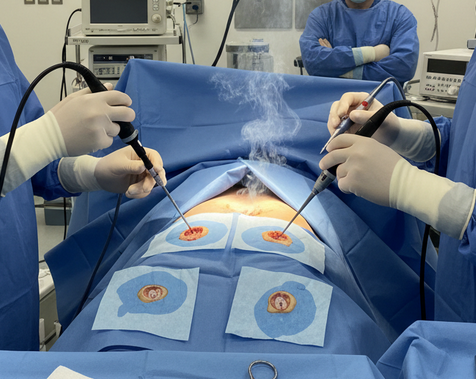
Endometriosis laparoscopic excision surgery in Korea is a gold-standard minimally invasive surgical approach to treat deep infiltrating endometriosis. The procedure involves precise removal of endometrial lesions, scar tissue, and adhesions from pelvic organs while preserving healthy tissue.
Korean gynecology centers are globally recognized for their expertise in high-definition laparoscopy, combining advanced imaging with microsurgical precision. This ensures optimal pain relief, improved fertility outcomes, and minimal postoperative complications.
Korea’s leadership in minimally invasive gynecological surgery makes it a top destination for patients seeking effective endometriosis treatment.
Purpose & Benefits
The main purposes of laparoscopic excision surgery for endometriosis are to:
- Remove deep and superficial endometrial lesions.
- Relieve chronic pelvic pain and discomfort.
- Restore normal pelvic anatomy and organ function.
- Improve fertility outcomes.
Key benefits include:
- Minimally invasive with reduced recovery time.
- Precision removal of lesions to minimize recurrence.
- Preservation of healthy reproductive tissue.
- Comprehensive symptom relief and improved quality of life.
Ideal Candidates
Laparoscopic excision surgery is suitable for women who:
- Suffer from moderate to severe endometriosis causing pain or infertility.
- Have not responded to medical treatment.
- Show evidence of deep infiltrating lesions.
- Seek fertility-preserving surgery.
Korean gynecologists conduct thorough diagnostic assessments, including advanced imaging and hormonal evaluations, to confirm candidacy and plan surgery precisely.
Possible Risks & Complications
Although laparoscopic excision is highly safe, potential risks include:
- Temporary pelvic pain, bloating, or fatigue.
- Spotting or minor bleeding.
- Risk of injury to nearby organs such as bladder or bowel (rare).
- Infection or adhesion formation.
- Recurrence of endometriosis over time.
Korean clinics minimize these risks using cutting-edge surgical techniques, strict hygiene protocols, and post-operative monitoring.
Techniques Used
Korean specialists employ advanced laparoscopic techniques for endometriosis excision:
- High-Definition Laparoscopy: Provides crystal-clear visualization of lesions.
- Microsurgical Excision: Targeted removal of lesions while preserving healthy tissue.
- 3D Imaging Laparoscopy: Enhances depth perception for greater precision.
- Fertility-Sparing Techniques: Prioritize reproductive organ preservation.
- Simultaneous Adhesiolysis: Removal of scar tissue to restore pelvic anatomy.
These methods position Korea at the forefront of minimally invasive gynecological surgery.
Recovery & Aftercare
Recovery from laparoscopic excision surgery is generally quick:
- Most patients resume light activities within 1–2 days.
- Mild discomfort or spotting may persist for several days.
- Full recovery typically occurs within 2–4 weeks.
Korean clinics provide comprehensive aftercare, including pain management, hormonal therapy (if needed), physiotherapy, and fertility counseling.
Results & Longevity
Laparoscopic excision surgery for endometriosis in Korea can lead to:
- Significant reduction in pelvic pain and menstrual irregularities.
- Restoration of pelvic anatomy and organ function.
- Improved fertility rates.
- Reduced recurrence risk with appropriate postoperative management.
Long-term outcomes depend on the severity of endometriosis, surgical completeness, and adherence to follow-up care.
Treatment Process in Korea
The process generally includes:
- Initial Consultation: Comprehensive review of symptoms, menstrual history, and fertility goals.
- Advanced Diagnostics: Ultrasound, MRI, and sometimes diagnostic laparoscopy to map lesions.
- Surgical Planning: Personalized excision strategy.
- Procedure: Minimally invasive laparoscopic excision performed by highly experienced surgeons.
- Postoperative Care: Pain management, hormonal therapy, and fertility counseling.
Korea’s approach ensures precise, safe, and patient-centered treatment for endometriosis.
Cost Range
Costs vary depending on the procedure complexity:
- Diagnostic laparoscopy: ₩1,500,000 – ₩3,000,000 (USD 1,150–2,300).
- Laparoscopic excision surgery: ₩5,000,000 – ₩10,000,000 (USD 3,800–7,700).
- Comprehensive endometriosis management packages: ₩8,000,000+ (USD 6,000+).
Korean clinics offer transparent cost structures and customized packages to suit patient needs.
Top Clinics for Endometriosis Laparoscopic Excision Surgery in Korea
- CHA Women’s Medical Center (Seoul) – Renowned for advanced minimally invasive endometriosis surgery.
- Maria Women’s Clinic – Comprehensive laparoscopic diagnosis and treatment.
- MizMedi Women’s Hospital – Specialists in precision laparoscopic surgery for deep endometriosis.
- Seoul Women’s Clinic – Focused on fertility preservation and tailored surgical care.
- Gyna Seoul Clinic – Known for precision surgery, patient-centered care, and postoperative support.
These clinics highlight Korea’s global leadership in women’s health and advanced gynecological surgery.


