
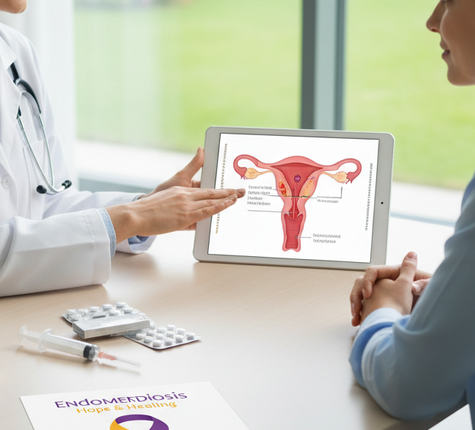
Treatment Overview
Endometriosis Treatment in Korea involves advanced medical and surgical approaches to manage a chronic gynecological condition in which endometrial-like tissue grows outside the uterus. This condition can cause severe menstrual pain, abnormal bleeding, infertility, and reduced quality of life.
Korean women’s health clinics are recognized worldwide for combining precise diagnostics, minimally invasive surgical techniques, and personalized care plans to treat endometriosis effectively. Treatments may range from medication and hormone therapy to laparoscopic surgery designed to remove endometrial lesions while preserving fertility.
Korea’s holistic approach integrates pain relief, fertility preservation, and emotional support to ensure patients receive the most effective, comprehensive care.
Purpose & Benefits
The main purpose of endometriosis treatment is to reduce pain, control symptoms, restore reproductive health, and improve quality of life.
Key benefits include:
- Effective reduction of menstrual pain and abnormal bleeding.
- Management of fertility issues related to endometriosis.
- Minimally invasive treatment options with shorter recovery periods.
- Holistic care addressing physical and emotional well-being.
- Personalized treatment plans tailored to the stage and severity of endometriosis.
Korean gynecology clinics focus on precision medicine and patient-centered care to deliver sustainable results.
Ideal Candidates
Endometriosis treatment is suitable for women who:
- Experience severe menstrual cramps and pelvic pain.
- Have infertility related to endometriosis.
- Show abnormal uterine bleeding or bowel/bladder symptoms during menstruation.
- Desire fertility preservation.
- Seek advanced, minimally invasive treatment options.
Thorough evaluation in Korean clinics ensures patients receive the most effective treatment for their condition.
Possible Risks & Complications
Risks vary depending on treatment method:
- Hormonal therapy: changes in menstrual cycles, weight gain, mood changes, reduced bone density (with long-term use).
- Surgery: bleeding, infection, organ damage (rare), adhesion formation, recurrence of endometriosis.
Korean clinics minimize risks through high-precision diagnostics, advanced surgical tools, and skilled gynecologic teams.
Techniques Used
Korean gynecology centers offer advanced endometriosis treatments, including:
- Advanced Imaging: High-resolution ultrasound and MRI for accurate diagnosis and staging.
- Hormonal Therapy: Oral contraceptives, progestins, GnRH agonists to control lesion growth and relieve pain.
- Laparoscopic Surgery: Minimally invasive excision of endometrial lesions with fertility preservation.
- Robotic Surgery: Enhanced precision for deep infiltrating endometriosis.
- Integrative Care: Pain management, physiotherapy, and lifestyle modifications.
These techniques represent Korea’s commitment to combining innovation with compassionate care.
Recovery & Aftercare
Recovery depends on the treatment:
- Hormonal therapy: minimal downtime but requires ongoing monitoring.
- Laparoscopic surgery: usually 1–2 weeks recovery, with periodic follow-up.
Korean clinics offer comprehensive aftercare including:
- Pain management plans.
- Fertility counseling and support.
- Regular follow-up imaging to monitor for recurrence.
Results & Longevity
Endometriosis treatment in Korea aims for:
- Significant symptom relief.
- Improved fertility outcomes.
- Long-term control of endometriosis progression.
- Enhanced quality of life.
Long-term outcomes are optimized through ongoing follow-up and individualized care plans.
Treatment Process in Korea
Endometriosis treatment typically involves:
- Initial Consultation: Detailed medical history and symptom review.
- Diagnostic Imaging: MRI, ultrasound, or laparoscopy to confirm diagnosis.
- Treatment Planning: Personalized selection of hormonal therapy, minimally invasive surgery, or combined approaches.
- Treatment Execution: Performed by experienced gynecologists using advanced techniques.
- Follow-Up: Monitoring symptoms, managing recovery, and planning future fertility needs.
Korea is recognized for its efficiency, accuracy, and ethical care standards in women’s health.
Cost Range
Endometriosis treatment costs in Korea vary by method:
- Hormonal therapy: ₩150,000 – ₩500,000 (USD 110–380) per cycle.
- Minimally invasive surgery: ₩3,000,000 – ₩6,000,000 (USD 2,300–4,500).
- Robotic-assisted surgery: ₩7,000,000 – ₩10,000,000 (USD 5,300–7,500).
- Comprehensive care packages: ₩10,000,000+ (USD 7,500+) including diagnosis, surgery, and follow-up.
Korean clinics provide transparent pricing and tailored packages to meet patient needs.
Top Clinics for Endometriosis Treatment in Korea
- CHA Women’s Medical Center (Seoul) – Specialized in minimally invasive and robotic endometriosis surgery.
- Maria Women’s Clinic – Offers tailored hormonal and surgical treatment options.
- MizMedi Women’s Hospital – Known for advanced laparoscopic gynecologic procedures.
- Seoul Women’s Clinic – Provides comprehensive endometriosis management with patient-centered care.
- Gyna Seoul Clinic – Trusted for discreet, expert women’s health services.


