
Treatment Overview
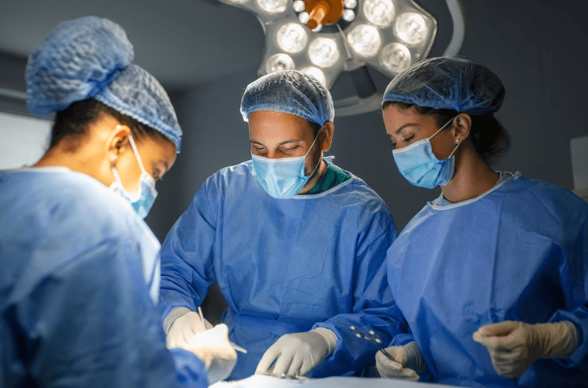
Endometriosis ultrafine dissection surgery in Korea is a highly specialized minimally invasive surgical procedure designed to precisely remove endometrial lesions while preserving surrounding healthy tissue and organ function. This advanced technique is particularly useful for complex endometriosis cases involving deep infiltrating lesions or adhesions affecting fertility and pelvic function.
Korea is globally recognized for its cutting-edge gynecologic surgery, integrating high-definition laparoscopic systems, robotic assistance, and ultrafine dissection tools. These innovations allow for exceptional precision and minimal tissue trauma, leading to improved recovery times, reduced pain, and better reproductive outcomes.
Purpose & Benefits
The primary purposes of ultrafine dissection surgery for endometriosis are to:
- Precisely remove deep infiltrating lesions.
- Restore normal pelvic anatomy.
- Relieve severe pelvic pain and dysmenorrhea.
- Preserve fertility by minimizing damage to healthy reproductive tissue.
Key benefits include:
- Minimally invasive surgery with faster recovery.
- Enhanced precision, reducing the risk of recurrence.
- Improved pain relief and fertility potential.
- Reduced surgical trauma and scarring.
Ideal Candidates
Ultrafine dissection surgery is suitable for women who:
- Have confirmed deep infiltrating endometriosis.
- Experience chronic pelvic pain or infertility due to lesions.
- Require fertility-sparing surgery.
- Have adhesions or scar tissue complicating prior surgeries.
Korean gynecology centers perform detailed diagnostics, including MRI and 3D ultrasound imaging, to plan this precise surgical approach.
Possible Risks & Complications
Though ultrafine dissection surgery is safe when performed by expert surgeons, potential risks may include:
- Temporary pelvic pain and mild bleeding.
- Spotting or irregular cycles post-surgery.
- Infection or delayed healing.
- Rare injury to surrounding organs.
- Recurrence of endometriosis if untreated hormonally.
Korean clinics minimize risks through meticulous surgical planning, precision technology, and thorough follow-up care.
Techniques Used
Korea employs advanced techniques for ultrafine dissection surgery:
- High-Definition Laparoscopy: Magnified imaging for precision lesion removal.
- Robotic-Assisted Dissection: Superior control and visualization for complex cases.
- Ultrafine Microdissection Tools: Extremely delicate instruments to preserve healthy tissue.
- Hydrodissection: Gentle separation of tissues to minimize trauma.
- Fertility-Preserving Surgery: Focused removal of lesions with minimal damage to reproductive structures.
These techniques exemplify Korea’s world-leading expertise in reproductive surgery.
Recovery & Aftercare
Recovery after ultrafine dissection surgery is generally quick, although it varies by individual:
- Light activities can usually be resumed within 2–3 days.
- Full recovery typically takes 2–4 weeks.
- Mild pain, bloating, or spotting may persist briefly.
Korean clinics offer comprehensive aftercare, including hormonal therapy if indicated, pelvic rehabilitation, pain management, and fertility counseling.
Results & Longevity
Ultrafine dissection surgery for endometriosis in Korea can deliver:
- Significant and long-lasting pain relief.
- Restoration of pelvic anatomy and organ function.
- Improved fertility outcomes.
- Reduced recurrence when paired with post-surgical hormonal therapy.
The longevity of results depends on surgical precision, postoperative management, and individualized hormonal care.
Treatment Process in Korea
The process generally involves:
- Initial Consultation: Detailed symptom review, medical history, and prior surgical records.
- Advanced Diagnostics: MRI, ultrasound, and laparoscopy for precise lesion mapping.
- Surgical Planning: Personalized approach tailored to lesion type and patient goals.
- Procedure: Ultrafine dissection with high-definition laparoscopic or robotic-assisted surgery.
- Postoperative Care: Pain management, hormone therapy, fertility counseling, and follow-up monitoring.
Korean gynecology centers are recognized for their precision, patient-focused surgical planning, and exceptional recovery protocols.
Cost Range
Costs vary depending on complexity and clinic reputation:
- Diagnostic imaging and laparoscopy: ₩2,000,000 – ₩4,000,000 (USD 1,530–3,070).
- Ultrafine dissection surgery: ₩6,000,000 – ₩12,000,000 (USD 4,600–9,200).
- Comprehensive post-surgical packages: ₩9,000,000+ (USD 6,900+).
Most Korean clinics offer transparent pricing and customized treatment plans.
Top Clinics for Endometriosis Ultrafine Dissection Surgery in Korea
- CHA Women’s Medical Center (Seoul) – Global leaders in advanced laparoscopic endometriosis surgery.
- Maria Women’s Clinic – Specialized in deep infiltrating endometriosis and fertility preservation.
- MizMedi Women’s Hospital – Cutting-edge robotic-assisted ultrafine dissection.
- Seoul Women’s Clinic – Expert microdissection for complex endometriosis.
- Gyna Seoul Clinic – Comprehensive integrative endometriosis care with advanced surgical options.
These clinics demonstrate Korea’s world-class expertise in precision endometriosis surgery.


