
Treatment Overview
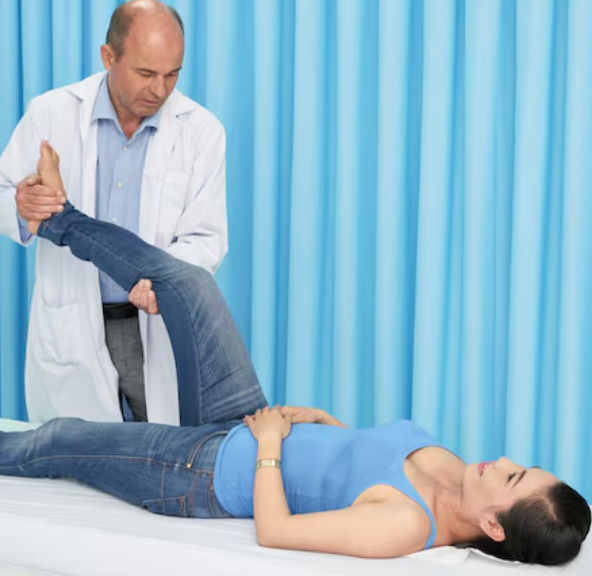
Endopelvic fascia release therapy refers to specialised manual and connective-tissue work aimed at loosening, mobilising and restoring the endopelvic fascia—the network of connective tissue surrounding the pelvic organs, ligaments, and pelvic floor musculature. In Korea this service is offered within women’s health and urogynecology clinics as part of advanced pelvic floor physical therapy. The therapy combines deep fascia release, myofascial stretching, manual manipulation of pelvic ligaments and surrounding soft tissue, often integrated with pelvic floor muscle training, posture correction and functional movement work. Korean clinics often position this therapy as a way to address residual tension, adhesions, scar tissue or misalignment that may underlie pelvic floor dysfunction, pelvic pain, or postpartum recovery issues.
Purpose & Benefits
The purpose of endopelvic fascia release is to restore the normal sliding and mobility of fascia and soft tissue in the pelvic area so that the muscles, organs, and ligaments can function smoothly. Benefits include: improved pelvic organ support (by reducing fascial tethering), better coordination between pelvic floor muscles and surrounding structures, reduced pelvic or lower-back pain linked to fascial constriction, improved mobility and posture of the pelvis, decreased sensation of heaviness or pressure in the pelvic region, and enhanced recovery after childbirth or pelvic surgery. By releasing tight or scarred fascia, the therapy helps improve muscle engagement, reduce compensatory patterns and support long-term pelvic floor health.
Ideal Candidates
This therapy is ideal for women who experience persistent pelvic floor dysfunction symptoms such as heaviness or pressure in the pelvic region, recurrent pelvic pain, chronic low-back or hip pain associated with pelvic floor issues, those who have undergone childbirth (especially with scars, diastasis recti or pelvic misalignment), women post-pelvic surgery with scar tissue affecting fascia or ligaments, those with significant connective-tissue restriction or pelvic‐organ support issues, and individuals for whom standard pelvic floor muscle training alone has not resolved fascial or alignment contributors.
Possible Risks & Complications
Because the therapy is non-invasive and manual, risks are relatively low. Possible complications include transient soreness, mild discomfort or fatigue after deeper release work, temporary light-headedness or emotional release as soft tissues adjust, minor bruising if very deep manipulation is used. If the therapy is applied too aggressively or in the presence of untreated structural issues (such as acute infection, unhealed surgical wound, deep pelvic organ pathology), there is a risk of exacerbating symptoms, delaying healing or missing an underlying surgical indication. It is important the therapist be trained in pelvic floor/urogynecology contexts and liaise with a specialist if necessary.
Surgical Techniques Used
Though this therapy is manual rather than surgical, it often works as part of a wider care plan in Korea involving surgical repair of pelvic floor support, ligaments and fascia. For example, when structural weakness or prolapse is present, surgery may reconstruct the ligaments or fascia and following that, the fascia release therapy helps optimise soft-tissue mobility and function. Thus, the surgical techniques used may include pelvic organ prolapse repair, ligament fixation, fascia plication or biologic graft reinforcement, with the fascia release therapy forming the rehabilitation/functional component.
Recovery & Aftercare
Recovery from fascia release therapy involves minimal downtime—patients typically undergo sessions once or twice a week for several weeks, move on to home-based fascia mobilisation exercises, posture and alignment training, pelvic floor muscle retraining and lifestyle adjustments (avoiding heavy straining, managing posture, integrating breathing and core mechanics). After deeper release work or following surgery, aftercare emphasises gradual progression from assisted therapy to independent movement, monitoring tissue adaptation, and maintenance of mobility. Follow-up sessions may be recommended monthly to sustain benefits.
Results & Longevity
Women who complete a well-structured fascia release therapy programme often report improved pelvic comfort, less tension or nagging pain, smoother pelvic floor muscle coordination, better posture and movement, and improved functional outcomes (e.g., reduced incontinence episodes, less pelvic heaviness). Longevity of the results depends on continued home mobilisation, posture maintenance, avoidance of high-risk loads or straining, and whether structural supports (muscles, ligaments, fascia) have been adequately reinforced through rehabilitation or surgery if needed. Korean clinics emphasise a maintenance phase to preserve the improvements.
Treatment Process in Korea
In Korea the process typically begins with a thorough assessment by a women’s health or urogynecology specialist: history of childbirth, surgery, incontinence or prolapse symptoms, pelvic floor muscle evaluation, posture and movement analysis, fascia/mobility screening. Then a targeted therapy plan is developed: manual fascia release (internal/external techniques), soft-tissue mobilisation of endopelvic fascia and ligaments, integration with pelvic floor muscle training (biofeedback or electrostimulation if needed), posture/core stability work, breathing and movement coordination. Sessions are supervised by physiotherapists trained in pelvic health, often in multidisciplinary clinics. After the initial intensive phase, home exercises and periodic follow-ups are included. Korea’s appeal for this therapy lies in its specialised women’s health centres, advanced manual therapy techniques, and integration of fascia-centric recovery within pelvic floor rehabilitation.
Cost Range
The cost of fascia release therapy in Korea varies by clinic, depth of manual work, inclusion of diagnostics and international patient support. Typical initial consultation and assessment: around ₩ 50,000 to ₩ 100,000 (roughly USD 40-75). Each intensive manual session may cost around ₩ 70,000 to ₩ 150,000 (USD 50-110). Packages (for example 8-10 sessions) may range from roughly ₩ 560,000 to ₩ 1,200,000 (USD 415-900). Additional costs may include diagnostics (ultrasound, mobility scans), adjunct therapies (biofeedback, electrostimulation) and home mobility tool kits.


