
Treatment Overview
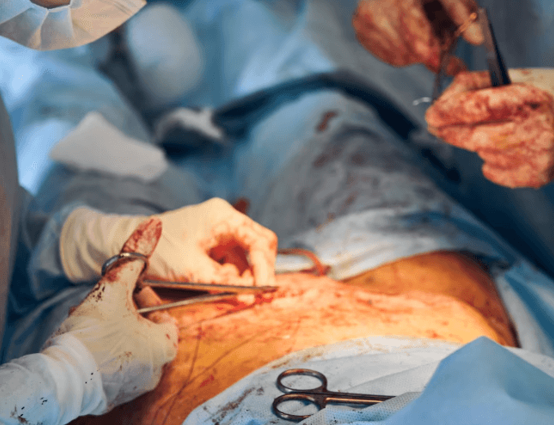
The Endoscopic-Assisted Tubal Ligation Surgery in Korea is a highly advanced, minimally invasive method for permanent female sterilization. This procedure utilizes endoscopic technology to allow direct visualization of the fallopian tubes through small incisions, ensuring precise and safe tubal blockage or removal. This method combines the benefits of laparoscopic surgery with enhanced visual clarity for superior outcomes.
Korea is a global leader in minimally invasive gynecologic surgery, offering high-definition endoscopic imaging, microsurgical tools, and refined surgical techniques. This makes the country a top choice for tubal ligation surgery.
Purpose & Benefits
Purpose:
- Provide a permanent, reliable contraceptive option
- Remove or block the fallopian tubes to prevent pregnancy
- Achieve high precision with minimal tissue trauma
- Ensure rapid recovery and minimal postoperative discomfort
Benefits:
- Minimally invasive with reduced scarring
- Short surgical time and minimal hospitalization
- Enhanced precision through endoscopic visualization
- Reduced postoperative pain and faster recovery
- Lower risk of complications due to advanced surgical techniques
- Long-lasting sterilization with high success rates
- Preservation of pelvic health
Ideal Candidates
Endoscopic-assisted tubal ligation is ideal for women who:
- Have completed childbearing or choose permanent contraception
- Seek a minimally invasive, safe sterilization method
- Prefer a procedure with quick recovery and minimal discomfort
- Want a high level of precision during surgery
Candidates undergo a detailed preoperative evaluation in Korea, including Pap smear, pelvic ultrasound, and counseling on sterilization options, to confirm suitability.
Possible Risks & Complications
While highly safe, risks include:
- Mild bleeding or bruising
- Pelvic discomfort for a few days post-surgery
- Infection at the incision site
- Rare injury to nearby organs
- Reaction to anesthesia
- Rare cases of ectopic pregnancy if sterilization fails
Korean surgeons use advanced endoscopic guidance to minimize risks and ensure optimal outcomes.
Surgical Techniques Used
The procedure in Korea employs cutting-edge surgical methods:
- High-Definition Endoscopic Imaging: Provides exceptional clarity for precise surgery.
- Microsurgical Instruments: Reduce tissue trauma and enhance accuracy.
- Energy-Controlled Tubal Occlusion or Removal: Ensures effective and safe sterilization.
- Single-Port Endoscopic Techniques (Optional): Further minimize scarring and improve recovery.
- Robotic Assistance (Optional): Enhances precision in complex cases.
These approaches make endoscopic-assisted tubal ligation one of the safest and most effective sterilization techniques available.
Recovery & Aftercare
Recovery is generally fast, with most patients returning to normal activity within 2–3 days and full healing in about 1–2 weeks.
Aftercare includes:
- Rest for the first few days following surgery
- Avoiding heavy lifting and sexual intercourse for at least 1–2 weeks
- Monitoring incision sites for infection or unusual bleeding
- Follow-up visits to ensure successful sterilization
- Guidance on pelvic health and recovery
Korean hospitals provide clear aftercare plans tailored to individual patient needs.
Results & Longevity
Endoscopic-assisted tubal ligation delivers:
- Permanent sterilization with a success rate exceeding 99%
- Minimal scarring and reduced postoperative discomfort
- Fast recovery and short hospital stays
- Preservation of pelvic health
- Low complication rates through precise surgical technique
- Long-term patient satisfaction and peace of mind
Korea’s combination of advanced endoscopic technology and surgical expertise ensures superior results.
Treatment Process in Korea
- Preoperative Consultation: Review medical history, reproductive goals, and sterilization options.
- Diagnostic Assessments: Pap smear, pelvic ultrasound, and any required imaging.
- Surgical Planning: Selection of optimal technique.
- Endoscopic-Assisted Tubal Ligation Surgery: Performed under high-definition endoscopic guidance.
- Postoperative Care: Pain management, wound care, and activity guidance.
- Follow-Up: Confirming sterilization success and overall recovery.
Korea offers full-service packages for international patients, including interpreters, accommodation, transport, and personalized care.
Cost Range
The Endoscopic-Assisted Tubal Ligation Surgery in Korea generally ranges from USD 4,500 to 8,500, depending on:
- The complexity of the procedure
- The technology used (standard vs. robotic-assisted)
- Hospital and surgeon expertise
- Inclusion of anesthesia, facility fees, and aftercare services
Many Korean hospitals provide transparent, all-inclusive packages for international patients.
Popular Clinics
- Samsung Medical Center (Seoul): Leader in endoscopic and laparoscopic gynecologic surgery.
- Asan Medical Center (Seoul): Offers advanced endoscopic sterilization with high precision.
- Severance Hospital (Yonsei University, Seoul): Specializes in minimally invasive sterilization surgery.
- CHA Gangnam Medical Center: Known for cutting-edge single-port and endoscopic sterilization techniques.
- Ewha Womans University Medical Center: Provides tailored endoscopic sterilization with full aftercare programs.


