
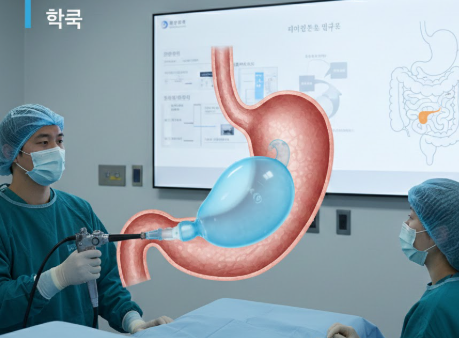
Treatment Overview
The Endoscopic Gastric Balloon for Type 2 Diabetes is a non-surgical weight loss procedure that helps improve blood sugar control and insulin sensitivity. A silicone balloon is placed endoscopically in the stomach and filled with saline or air, reducing stomach capacity to promote early satiety and reduce calorie intake.
→ Minimally invasive endoscopic procedure under mild sedation.
→ Temporary intragastric balloon, usually for 6 months.
→ Combined with diet, exercise, and lifestyle coaching for optimal results.
Korea is a preferred destination due to expert gastroenterologists, advanced endoscopic technology, and comprehensive care programs for international patients.
Purpose & Benefits
The procedure offers multiple benefits for patients with Type 2 Diabetes:
→ Promotes weight loss, which is critical for diabetes management.
→ Improves insulin sensitivity and glycemic control.
→ Reduces the need for diabetes medications in some patients.
→ Supports lifestyle changes for long-term metabolic health.
→ Enhances energy levels, mobility, and overall quality of life.
This treatment is ideal for patients seeking a safe, effective, and minimally invasive method to improve diabetes outcomes.
Ideal Candidates
Ideal candidates include adults who:
→ Have Type 2 Diabetes and a BMI ≥25 kg/m².
→ Struggle to achieve weight loss through diet, exercise, or medications alone.
→ Seek a non-surgical, temporary weight loss solution to improve glycemic control.
→ Are motivated to follow dietary, exercise, and behavioral guidance.
A pre-procedure evaluation ensures safety and suitability for combined weight loss and diabetes management.
Possible Risks & Complications
While generally safe, potential risks include:
→ Mild nausea, vomiting, or abdominal discomfort during the first days.
→ Bloating or gastroesophageal reflux.
→ Balloon deflation or migration, potentially requiring early removal.
→ Ulcer formation or irritation of the stomach lining.
→ Rare complications related to endoscopy.
Korean clinics provide careful monitoring and prompt management of any complications.
Techniques & Technology Used
Clinics in Korea use advanced technology and protocols:
→ Endoscopic placement of silicone balloon filled with saline or air.
→ Continuous monitoring of blood sugar levels and metabolic parameters.
→ Multidisciplinary approach including gastroenterologists, endocrinologists, and dietitians.
→ Digital tools for tracking weight, diet, and glycemic control.
→ Structured lifestyle and behavioral counseling for long-term adherence.
This approach maximizes both weight loss and diabetes improvement safely.
Treatment Process in Korea
The treatment process generally includes:
→ Initial Consultation → Review of BMI, diabetes status, medications, and medical history.
→ Pre-Procedure Evaluation → Lab tests, imaging, and dietary assessment.
→ Balloon Placement → Endoscopic insertion under mild sedation (20–30 minutes).
→ Post-Procedure Observation → Short clinic or hospital stay.
→ Diet, Exercise & Diabetes Management Program → Personalized guidance for nutrition, physical activity, and medication adjustment.
→ Follow-Up Monitoring → Regular check-ins to track weight loss, glycemic control, and balloon status.
→ Balloon Removal → Endoscopic removal after ~6 months.
Korean clinics provide structured programs to optimize both weight loss and Type 2 Diabetes management.
Recovery & After-Care
Recovery and after-care include:
→ Managing mild nausea or abdominal discomfort with medical guidance.
→ Following gradual diet progression: liquids → soft foods → solids.
→ Adhering to dietary and exercise plans for optimal weight loss and glycemic control.
→ Regular blood sugar monitoring and follow-up consultations.
→ Behavioral support for sustainable lifestyle changes.
Patients typically resume normal activities within 1–2 days, with improvements in blood sugar control observed over weeks.
Results & Longevity
Expected outcomes include:
→ Average weight loss of 10–20% of total body weight over 6 months.
→ Improved HbA1c and fasting blood glucose levels.
→ Reduction in diabetes medications for some patients.
→ Sustainable lifestyle and dietary habits for long-term metabolic health.
→ Enhanced overall energy, mobility, and quality of life.
Success depends on adherence to diet, exercise, and medical guidance.
Why Korea Is a Top Destination
Korea is a leading destination due to:
→ Expert gastroenterologists and endocrinologists.
→ Advanced endoscopic technology for safe balloon placement.
→ Structured programs integrating diet, exercise, and diabetes monitoring.
→ Affordable, high-quality care compared to Western countries.
→ Comprehensive international patient support, including language assistance and follow-up services.
Patients benefit from world-class facilities and multidisciplinary care for safe and effective diabetes management.
Cost Range
Costs vary depending on clinic and program:
→ Standard Endoscopic Gastric Balloon Procedure: $3,500 – $5,500 USD
→ Comprehensive Program with Diabetes Monitoring & Lifestyle Support: $5,500 – $8,000 USD
International packages may include pre-travel coordination and follow-up support for diabetes management.
Popular Clinics in Korea
Top clinics offering endoscopic gastric balloon therapy for Type 2 Diabetes include:
→ Seoul National University Hospital, Bariatric & Endoscopy Unit – Balloon placement with diabetes monitoring.
→ Asan Medical Center, Obesity & Metabolic Surgery Unit – Integrated weight loss and glycemic management program.
→ Samsung Medical Center, Endoscopy Department – Advanced endoscopic placement and follow-up.
→ JK Plastic & Obesity Clinic, Seoul – Personalized balloon therapy and diabetes support.
→ Medi-Weight Clinic, Seoul – International patient support with structured diabetes and lifestyle programs.
These clinics provide safe, effective, and structured programs targeting weight loss and Type 2 Diabetes management.


