
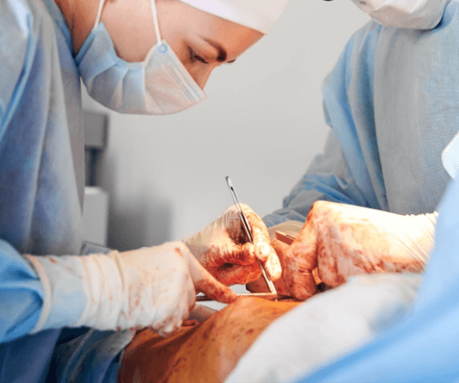
Treatment Overview
Endoscopic Uterine Polypectomy, also known as Hysteroscopic Polypectomy, is a minimally invasive surgical procedure designed to remove benign growths (polyps) from the endometrial lining of the uterus. A thin, lighted telescope-like device called a hysteroscope is inserted through the vagina and cervix into the uterus, allowing direct visualization and precise removal of polyps without external incisions.
In Korea, this treatment is performed using state-of-the-art endoscopic systems, offering high accuracy, quick recovery, and fertility-preserving outcomes. It is typically carried out as a day-surgery procedure under sedation or short general anesthesia, making it both efficient and comfortable for patients.
Purpose & Benefits
- Eliminates uterine polyps that may cause abnormal bleeding, pelvic pain, or infertility.
- Enhances fertility outcomes by restoring the normal uterine cavity.
- Allows for biopsy and early detection of any abnormal or precancerous tissue.
- Minimally invasive, with no external scars and minimal postoperative pain.
- Short hospital stay — most patients are discharged the same day.
- Promotes faster recovery and immediate return to normal activities.
Ideal Candidates
- Women diagnosed with endometrial polyps via ultrasound, hysterosonography, or biopsy.
- Patients experiencing abnormal uterine bleeding or spotting between cycles.
- Women with infertility or undergoing assisted reproductive treatments (e.g. IVF).
- Patients with recurrent polyps or hormone-related endometrial growths.
- Postmenopausal women with uterine growths needing evaluation and removal.
Possible Risks & Complications
While the procedure is generally safe and well-tolerated, potential risks include:
- Mild vaginal bleeding or cramping after surgery.
- Infection or endometritis (rare).
- Uterine perforation (very uncommon in expert hands).
- Fluid overload or electrolyte imbalance (rare and well-monitored).
- Adhesion (scar tissue) formation inside the uterus.
- Recurrence of polyps in some cases.
Surgical Techniques Used
Korean hospitals and women’s clinics employ some of the most advanced hysteroscopic technologies available worldwide:
- Standard Hysteroscopic Resection: Polyps are removed using an electrical loop under direct vision.
- Bipolar and Monopolar Energy Systems: Enable precise removal with minimal bleeding and tissue damage.
- Cold Loop / Mechanical Excision: Uses fine scissors or graspers for fertility-preserving cases without thermal injury.
- Tissue Morcellation (Shaver Systems): Mechanically cuts and aspirates polyp tissue simultaneously for speed and safety.
- Saline Distension Technology: Provides clear visualization of the uterine cavity during surgery.
These techniques ensure high precision, minimal discomfort, and superior healing compared to conventional curettage or blind procedures.
Recovery & Aftercare
- The procedure usually lasts 15–30 minutes, and patients can return home the same day.
- Light spotting or mild cramping may occur for a few days.
- Avoid sexual intercourse, tampons, and strenuous exercise for about 1–2 weeks.
- Mild painkillers or antibiotics may be prescribed as needed.
- Follow-up consultation within 1–2 weeks to review healing and pathology results.
- Most patients can resume work within 24–48 hours.
Results & Longevity
- Significant reduction or complete resolution of abnormal bleeding.
- Improved fertility outcomes due to restored uterine cavity.
- Low recurrence rate, especially with complete polyp removal.
- Long-term success when hormonal balance is maintained and regular gynecologic checkups are followed.
- High patient satisfaction due to minimal downtime and excellent cosmetic results.
Treatment Process in Korea
South Korea is recognized globally as a top destination for minimally invasive gynecologic surgeries, including endoscopic uterine polypectomy. The country’s women’s hospitals combine technological innovation, surgical expertise, and personalized care, offering one of the highest success rates for uterine surgery in Asia.
Most advanced and popular surgical techniques performed in Korea:
- High-definition endoscopic hysteroscopy for superior visualization.
- 3D and narrow-band imaging systems that enhance diagnostic accuracy.
- Ultrasound-guided hysteroscopic resection to increase safety and precision.
- Tissue Morcellation Systems that simultaneously cut and suction tissue, reducing procedure time.
- Laser-assisted hysteroscopy for precise removal and minimal trauma to surrounding tissue.
Unique Korean methods and technology:
- Integration of AI-assisted imaging for polyp detection in select tertiary hospitals.
- Specialized fertility-preserving surgical protocols for women undergoing IVF.
- Comprehensive one-day surgery systems with pre-op diagnostics, procedure, and follow-up managed in a single day.
Why Korea is considered a top destination for this surgery:
- Internationally trained gynecologic endoscopists with extensive expertise.
- Advanced medical infrastructure and stringent sterilization standards.
- Affordable costs compared to Western countries, with world-class quality.
- Multilingual care teams and medical tourism programs for foreign patients.
- Excellent postoperative follow-up, including digital consultations.
Cost Range
The cost of Endoscopic Uterine Polypectomy in Korea varies based on hospital type, technology, and patient condition:
- Typical Range: USD 2,000 – 5,000
- Minor Diagnostic or Single-Polyp Cases: USD 500 – 1,500
- Comprehensive Packages (including anesthesia, pathology & follow-up): USD 3,000 – 6,000
Korea offers transparent pricing with clear breakdowns that include preoperative evaluation, procedure, anesthesia, and pathology testing. Patients traveling from abroad often benefit from medical tourism packages that include translation, transportation, and accommodation support.
Popular Clinics with Advanced Hysteroscopic Polypectomy in Korea
- Seoul Miz Hospital – Specialized in minimally invasive gynecologic and fertility-preserving surgeries.
- MizMedi Hospital (Seoul) – Known for advanced endoscopic and reproductive surgery systems.
- Yoonho OB/GYN Hospital, Gangnam – Offers one-day hysteroscopic surgery with advanced imaging systems.
- Gangnam Women’s Clinic – Private clinic offering laser and bipolar endoscopic uterine surgeries.
- Kyung Hee University Hospital at Gangdong – University-affiliated hospital with expert OBGYN surgical teams.
- Asan Medical Center – One of Korea’s largest and most advanced hospitals for women’s health and gynecologic oncology.
- Samsung Medical Center – World-class tertiary hospital offering cutting-edge hysteroscopic and laparoscopic surgery.


